
Diseases
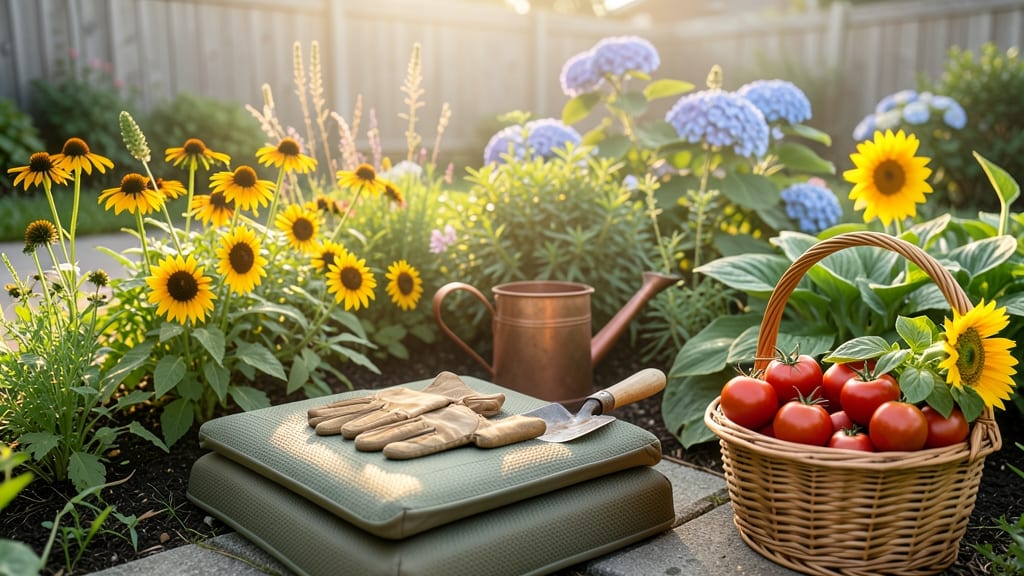
A gardener is someone who grows and maintains plants, flowers, and vegetables by carefully managing soil, water, and sunlight to create thriving outdoor spaces that can be both beautiful and functional.
A gardener's work goes far beyond just planting seeds—it's about understanding how plants grow, what they need to thrive, and how to troubleshoot problems before they start. 🌱 Whether you're growing tomatoes in your backyard or designing a public park, the core of gardening lies in balancing science (like soil pH and nutrient needs) with creativity (like arranging flowers for visual appeal).
Many gardeners also develop specialized skills, such as identifying pests early or knowing when to prune for maximum yield.
What makes gardening so rewarding is its hands-on nature—you can see the direct results of your efforts in every leaf and bloom. From weekend hobbyists to professional landscape designers, gardeners play a vital role in our environment, whether they're feeding communities through urban farms or restoring natural habitats.
The best part? There's always something new to learn, whether it's mastering a new pruning technique or discovering which plants thrive in your local climate.
💡 In This Article
- Core Skills Every Gardener Needs to Master
- Types of Gardeners: From Hobbyists to Professionals
Core skills every gardener needs to master
At the heart of gardening lies plant biology knowledge, which helps gardeners understand how different species grow. For example, knowing that tomatoes need 6-8 hours of sunlight daily while ferns thrive in shady, moist conditions determines where each plant belongs in your space.
This skill extends to recognizing growth stages—like when to transplant seedlings or harvest fruits at peak ripeness—so you don’t waste time or resources. 🌱 The ability to read plant signals (yellowing leaves often mean overwatering, while crisp edges suggest underwatering) separates successful gardeners from those who struggle.
Soil science is another critical skill, as healthy soil is the foundation of any thriving garden. Gardeners must test pH levels (typically 6.0-7.0 for most vegetables) and amend soil with compost or organic matter to improve drainage and nutrient retention.
For instance, adding aged manure or worm castings boosts microbial activity, which helps roots absorb water and nutrients more efficiently. Without this knowledge, plants may grow slowly or become vulnerable to diseases, even with perfect sunlight and watering.
Pest and disease management requires sharp observation skills. Gardeners learn to spot early signs of trouble—like aphids clustering on new growth or powdery mildew on leaves—and act quickly. Natural solutions, such as introducing ladybugs for aphid control or spraying neem oil for fungal issues, often work better than chemical pesticides.
Seasoned gardeners also understand crop rotation to prevent soil-borne diseases from recurring, a technique that can increase yields by up to 30% over time.
Seasonal timing is where experience truly pays off. Planting cool-season crops (like lettuce) in early spring or fall avoids bolting (when plants flower prematurely), while warm-season plants (like peppers) need soil temperatures above 60°F to germinate.
Missing these windows can mean wasted seeds or stunted growth. Gardeners also adjust watering schedules—deep watering once a week encourages strong roots, while daily light sprinkles can lead to shallow, weak growth.
Tool proficiency rounds out the essential skills, as the right tool makes tasks easier and more precise. A sharp pruning shears ensures clean cuts that heal faster, while a soil knife helps divide perennials without damaging roots.
Even something as simple as a garden hose with adjustable nozzle saves time and water compared to a basic watering can. Mastery of these tools reduces physical strain and improves outcomes, whether you're weeding, harvesting, or shaping hedges.
What ties all these skills together is patience and adaptability. The best gardeners accept that not every experiment will succeed—some seeds won’t sprout, pests will strike unexpectedly, or weather will disrupt plans.
Learning to adjust, whether by trying a different variety or changing planting dates, is what keeps gardens productive year after year. 💫