
Vegetables
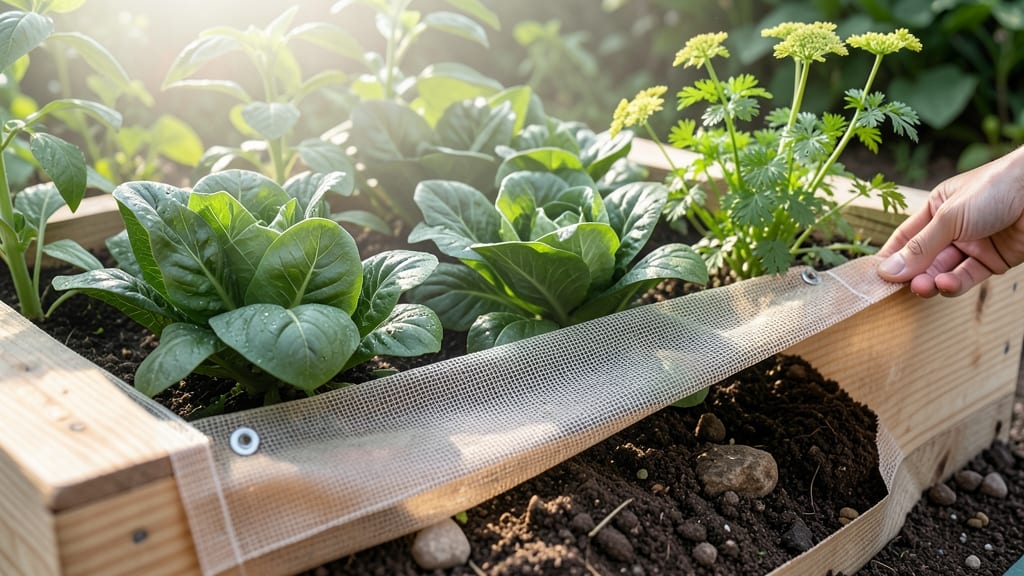
A weed guard for gardens is your secret weapon against the never-ending weed battle, turning hours of backbreaking work into minutes of easy maintenance.
Tired of spending hours pulling weeds only to see them back the next week? A weed guard for gardens could save you time, effort, and frustration by creating a physical barrier that weeds simply can’t penetrate.
These lightweight, durable barriers work by blocking sunlight and preventing weed seeds from germinating while still allowing water and nutrients to reach your plants. Whether you’re dealing with a vegetable patch, flower beds, or pathways, the right weed guard keeps your garden looking pristine with minimal effort.
Below, I’ll walk you through the best materials, step-by-step installation tips, and how to choose the perfect weed guard for your garden’s needs—so you can spend less time weeding and more time enjoying your green space.
How weed guards work: types of physical barriers for weed control
A weed guard for gardens acts like a silent sentinel in your landscape, blocking unwanted plants before they sprout. These physical barriers work by preventing sunlight from reaching weed seeds—starving them of the energy they need to germinate.
Unlike chemical herbicides, they’re completely organic and safe for your plants, pets, and kids. The key lies in their material composition and installation technique, which determines how effectively they suppress weeds over time.
Weed guards come in various forms, each with unique properties suited to different garden types. Some are lightweight and flexible, while others are rigid and durable. The best choice depends on your specific needs, whether you're protecting delicate flower beds, vegetable gardens, or pathways.
Understanding how each type works will help you select the perfect solution for your landscape challenges.
🌱
The fabric weed barrier is one of the most popular options because it’s lightweight and easy to install. Made from materials like polypropylene, it allows water and air to pass through while blocking sunlight from reaching weed seeds.
This type is ideal for vegetable gardens or flower beds where you want to maintain soil health while suppressing weeds. However, it may not be as durable in high-traffic areas or under heavy mulch.
For pathways or areas where you need a temporary solution, mulch mats made from recycled paper or cardboard are an excellent choice. These biodegradable options break down over time, adding organic matter to your soil.
They’re perfect for seasonal gardens or areas where you plan to replant soon. The downside? They don’t last long and may require frequent replacement.
If you're working with hardscapes or need a long-term solution, landscape fabric is a heavy-duty option. It’s made from durable materials like polyester or woven plastic, which can last for years.
However, it can trap moisture and inhibit soil aeration, so it’s best used under mulch rather than directly in garden beds.
For those who prefer natural solutions, biodegradable options like straw, wood chips, or leaves work well in annual gardens or areas where you want to improve soil health.
These materials break down over time, enriching the soil as they decompose. While they’re eco-friendly, they require more maintenance and may not be as effective in suppressing weeds long-term.
Each type of weed guard has its own strengths and weaknesses, so the best choice depends on your specific gardening needs.
Whether you're dealing with a vegetable garden, a flower bed, or a pathway, there’s a weed guard solution that can help you maintain a weed-free landscape with minimal effort.
Understanding how these barriers work will help you make an informed decision and choose the right option for your garden. With the right weed guard in place, you can spend less time pulling weeds and more time enjoying your beautiful, thriving plants.
✂️
Best materials for weed guards: fabric vs. mulch vs. natural options
Choosing the right weed guard material can make all the difference in keeping your garden weed-free with minimal effort. Not all materials are created equal—some last longer, while others break down naturally or blend into your garden’s aesthetic.
Let’s break down the top three options: fabric barriers, mulch mats, and natural alternatives like straw or wood chips.
Each material has unique benefits, from durability to environmental impact. For example, landscape fabric is lightweight and easy to install, while thick mulch mats offer long-term suppression but may require more effort to lay.
Natural options like straw or wood chips are biodegradable but need replenishing more often. Your choice depends on your garden’s needs, budget, and how long you want the weed guard to last.
Fabric Weed Guards
- ✅ Lightweight and easy to install
- ✅ Blocks sunlight effectively for weeds
- ✅ Reusable for multiple seasons
- ❌ Can degrade under UV exposure
- ❌ May trap moisture if not ventilated
Mulch Mats
- ✅ Thick and durable for long-term use
- ✅ Improves soil health as it decomposes
- ✅ Natural look blends into garden beds
- ❌ Heavier and harder to install
- ❌ Requires replenishing over time
Natural Options (Straw/Wood Chips)
- ✅ Biodegradable and eco-friendly
- ✅ Improves soil as it breaks down
- ✅ Affordable and easy to find
- ❌ Breaks down quickly in heavy rain
- ❌ May attract pests like rodents
If you’re looking for a quick and reusable solution, fabric weed guards are my top pick. They’re perfect for vegetable gardens or pathways where you want a clean, long-lasting barrier.
For a more natural look, mulch mats or wood chips work beautifully in flower beds, though they require more maintenance. Straw is a great budget-friendly option for temporary weed suppression, especially in new garden beds.
For organic gardeners, consider cardboard or newspaper as a temporary weed blocker. Just lay it down before adding mulch or compost—it breaks down naturally while smothering weeds. Pair this with a thick layer of compost or straw for even better results.
The key is to choose a material that fits your garden’s specific needs and your long-term goals for weed control.
Pro tip: Combine materials for maximum effectiveness. For example, use landscape fabric under mulch to block weeds while the mulch improves soil health. This two-layer approach gives you the best of both worlds—long-term weed suppression and enhanced garden productivity. 🌱