
Diseases
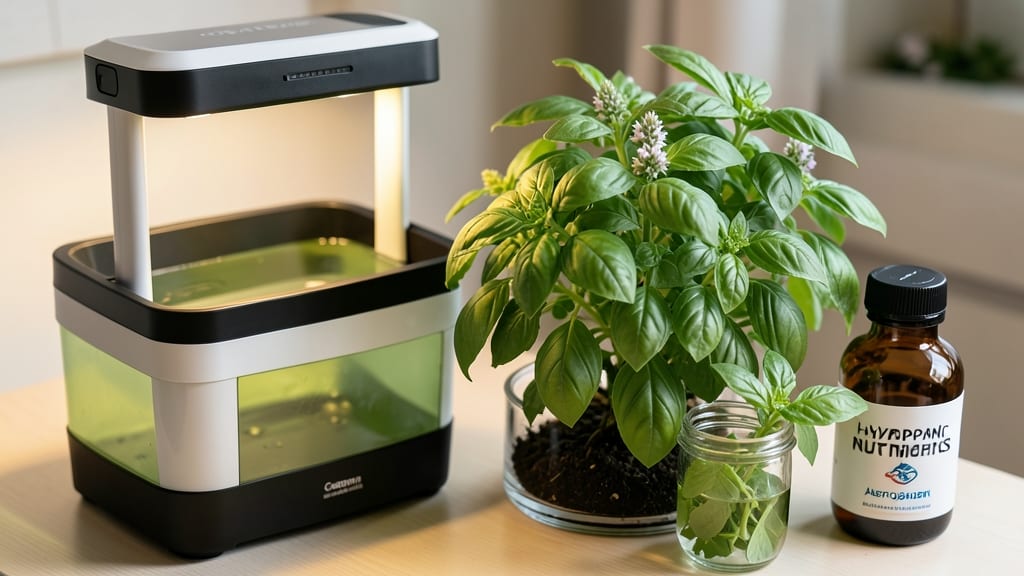
An AeroGarden is a hydroponic indoor gardening system that grows plants without soil using LED lights, water, and nutrient-rich solutions for fast, controlled harvests year-round.
AeroGardens bring the garden indoors by eliminating soil entirely, instead using a water-based nutrient solution to feed plants directly through their roots. 🌱 This system mimics natural growing conditions with precise LED lighting that replicates sunlight, allowing you to grow herbs, leafy greens, and even small vegetables in compact spaces.
The real magic happens in the aeration process—roots get constant oxygen circulation, which speeds up growth compared to traditional soil methods. I’ve seen basil plants reach harvest size in just 21 days using this method, which would take twice as long in a backyard garden!
What makes AeroGardens particularly appealing is their year-round growing capability, regardless of outdoor weather. The closed system prevents pests and diseases that often plague soil gardens, while the built-in timers and automated nutrient delivery make it perfect for busy schedules.
Whether you’re a seasoned gardener or a complete beginner, this technology removes the guesswork from plant care while still delivering impressive results.
💡 In This Article
- How Hydroponic AeroGarden Systems Work
- Best AeroGarden Models for Home Gardeners
How hydroponic AeroGarden systems work
AeroGarden systems use a specialized hydroponic method called deep water culture (DWC), where plant roots dangle directly in a nutrient-rich water solution. This eliminates soil while providing roots with constant oxygen through a built-in air pump that creates bubbles.
The roots absorb water and nutrients 24/7, growing at speeds up to 30-50% faster than soil-grown plants. For example, a basil plant might reach harvest size in just 21 days—half the time it takes in traditional gardens.
The LED grow lights in AeroGardens emit a full-spectrum spectrum (including red and blue wavelengths) that mimics natural sunlight, essential for photosynthesis. These lights run on 9-15 watts depending on the model, using 75% less energy than traditional grow lights while producing 3x more light output.
The system automatically adjusts light cycles (typically 14-16 hours of light per day) to match each plant's needs, creating optimal growing conditions year-round.
What sets AeroGarden apart is its closed-loop nutrient delivery system. Instead of relying on soil microbes to break down organic matter, the system uses a pre-mixed hydroponic nutrient solution that contains all essential minerals (nitrogen, phosphorus, potassium, and micronutrients).
A reservoir holds up to 2-3 gallons of solution, which is continuously circulated to the root zone. This precision eliminates nutrient deficiencies and ensures plants receive exactly what they need, when they need it.
The absence of soil also eliminates common garden pests like aphids, fungus gnats, and soil-borne diseases. Without organic matter to decompose, there's no risk of mold or rot that often plagues traditional gardens.
The sealed environment creates a sterile growing space that's particularly appealing for urban gardeners or those with limited outdoor access. Plus, the compact footprint means you can grow a full garden on a kitchen countertop or windowsill.
Here's what happens under the hood during growth: Roots develop a dense, fibrous network in just 7-10 days as they seek nutrients in the water. The plant's metabolic rate increases because it's not expending energy breaking down soil or competing with other plants for resources.
You'll notice leaves emerge with vibrant green coloration and crisp texture—signs of optimal photosynthesis. The system even maintains consistent humidity levels around the roots, preventing stress that can occur with fluctuating outdoor conditions.
For comparison, traditional soil gardening requires months of preparation (preparing beds, composting, amending soil) and is vulnerable to weather extremes, pests, and diseases. AeroGarden's controlled environment eliminates all these variables while delivering predictable results.
The technology was originally developed for NASA research on space agriculture, proving its ability to grow plants in extreme conditions—making it equally reliable in your home.