
Tools
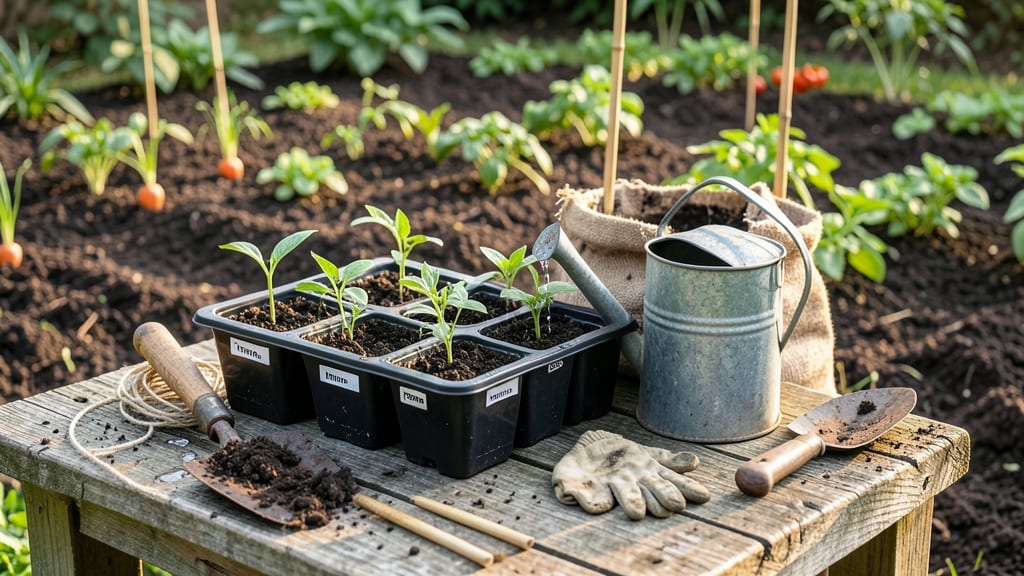
Garden soil is used for providing the foundation for healthy plant growth by supplying essential nutrients, supporting strong root systems, and balancing moisture retention with proper aeration for optimal development.
What is garden soil used for?
It isn't just dirt—it's a living ecosystem that feeds your plants while keeping their roots happy. 🌱 The right mix of organic matter and minerals ensures roots get the oxygen and water they need, while microbial activity breaks down nutrients into forms plants can absorb.
I've seen how even a small difference in soil composition can mean the difference between thriving tomatoes and struggling seedlings.
What makes soil truly special is its ability to adapt. Sandy soil drains too quickly, while clay holds moisture like a sponge—both extremes need amendments to create the perfect balance. For example, adding compost improves structure and fertility, while perlite boosts aeration for root growth.
The key is matching your soil to the plants you're growing, whether that's heavy feeders like squash or delicate flowers that prefer well-draining mixes.
💡 In This Article
- How Garden Soil Supports Plant Nutrition and Root Growth
- Choosing the Right Garden Soil Mix for Different Plants
How garden soil supports plant nutrition and root growth
Garden soil acts like a living sponge for your plants, combining organic matter with minerals to create a nutrient powerhouse.
The organic components—like decomposed leaves, compost, and plant residues—provide a slow-release feast of nitrogen, phosphorus, and potassium, while microbial activity (bacteria and fungi) breaks down these materials into forms roots can absorb.
For example, a single teaspoon of healthy garden soil can contain billions of microorganisms that work 24/7 to convert organic material into plant-available nutrients. 🌿
The soil's structure determines how well roots can explore and access these nutrients. Loamy soil—with its ideal mix of sand, silt, and clay—holds moisture while allowing oxygen to reach roots, creating perfect conditions for growth. Sandy soil drains too quickly, while clay holds water like a brick but suffocates roots.
The magic happens in the pore spaces: 25-50% air-filled pores ensure roots breathe, while 30-60% water capacity keeps plants hydrated without drowning. This balance is why gardeners often amend heavy clay with sand or compost to improve aeration.
Nutrient availability isn't just about what's in the soil—it's about how plants access it. Mycorrhizal fungi form symbiotic relationships with roots, extending their reach by up to 100 times to gather nutrients from farther away.
This natural partnership explains why plants in well-established garden soil often grow stronger than those in sterile potting mixes.
The soil's cation exchange capacity (CEC)—its ability to hold and release nutrients—directly impacts plant health, with loamy soils typically offering 10-30 meq/100g of nutrient-holding capacity compared to sandy soils' 5-15 meq/100g.
Moisture retention plays a critical role in nutrient delivery. When soil stays too dry, roots struggle to absorb water-soluble nutrients like nitrogen and potassium. Conversely, waterlogged conditions create anaerobic zones where beneficial microbes can't survive.
The ideal garden soil maintains 40-60% of its weight in water at field capacity—just enough to support plant needs without drowning roots. This balance is why mulching (adding organic material like straw) helps retain moisture while preventing compaction.
One often-overlooked benefit is soil's role in buffering pH levels. Most plants thrive in slightly acidic to neutral soil (pH 6.0-7.0), where nutrients like iron and manganese remain soluble. Garden soil with proper organic content naturally resists extreme pH swings, creating stable growing conditions.
For instance, adding elemental sulfur to raise pH or lime to lower acidity can transform struggling plants into thriving ones within weeks. 💫
Consider how different plants interact with soil: heavy feeders like tomatoes need nutrient-rich soil with high organic matter (5-10%), while succulents thrive in fast-draining mixes with minimal organic content (1-3%).
The soil's texture and composition determine which plants will flourish, making soil selection as important as choosing the right fertilizer. Understanding these relationships helps gardeners create tailored growing environments that maximize plant potential.