
Tools
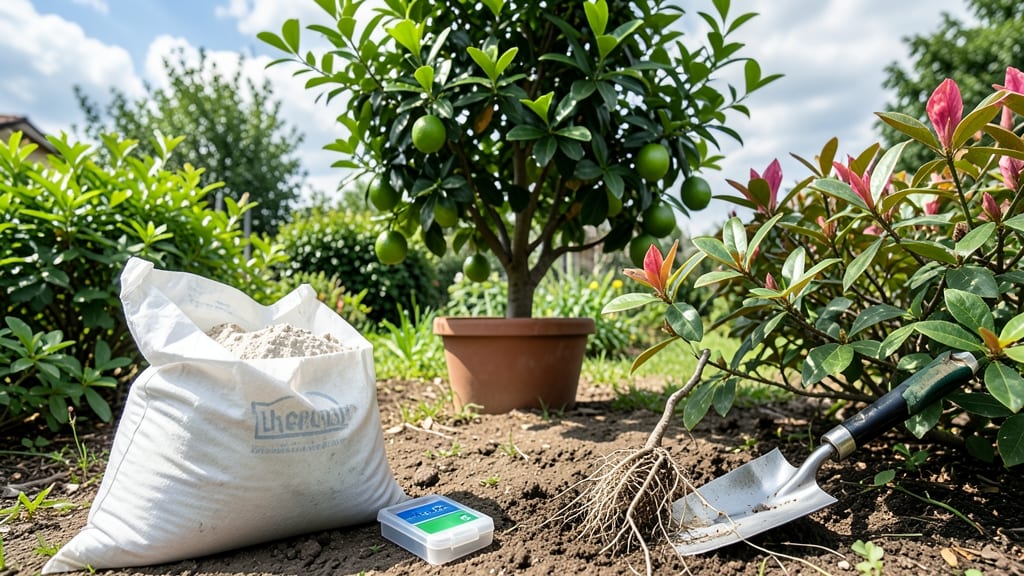
Lime in gardening is used to lower soil acidity, making nutrients like phosphorus and calcium more accessible to plants such as blueberries and azaleas. It also repels pests like slugs and snails, prevents fungal infections, improves compost quality, and helps break up dense clay soil. Use it carefully to avoid over-alkalizing the soil.
Lime works by neutralizing acidic compounds in the soil, creating a more balanced environment where plants can thrive. 🌱 For example, blueberries and hydrangeas—both acid-loving plants—often show dramatic improvements in growth and flowering when lime is applied correctly.
Beyond pH adjustment, gardeners also use lime to create natural pest barriers by sprinkling it around vulnerable plants, which deters slugs and snails due to its abrasive texture. When mixed into compost, it helps break down organic matter faster, producing richer soil amendments.
One common mistake is overusing lime, which can raise soil pH too high and harm acid-loving plants. Always test your soil first and start with small amounts—typically 1-2 pounds per 100 square feet—to avoid unintended consequences.
The key is balance: lime transforms your garden when used thoughtfully, but it can backfire if applied carelessly.
💡 In This Article
- How Lime Adjusts Soil pH for Optimal Plant Growth
- Practical Lime Applications Beyond pH Adjustment
How lime adjusts soil pH for optimal plant growth
Lime works by introducing calcium carbonate (CaCO₃) or calcium oxide (CaO) into the soil, which chemically reacts with hydrogen ions (H⁺) that create acidity.
This reaction produces water and carbon dioxide while neutralizing the acidic compounds, effectively raising the soil pH. For example, in highly acidic soil (pH < 5.5), lime can raise the pH by 1-2 points per application, making essential nutrients like phosphorus and calcium more available to plants. 🌱 Blueberries, which thrive in acidic soil (pH 4.5-5.5), actually benefit from lime when their soil becomes too acidic, as it helps maintain the ideal range.
The effectiveness of lime depends on soil type: sandy soils respond faster due to their loose structure, while clay soils require more time and repeated applications. In clay-heavy soils, lime also helps break up compacted particles by improving soil structure and drainage.
For instance, applying 5-10 pounds of lime per 100 square feet to clay soil can reduce compaction by up to 30% over a growing season, allowing roots to penetrate deeper and access more nutrients.
Different plants have varying pH preferences, which is why lime must be used strategically. Acid-loving plants like azaleas and rhododendrons need minimal lime, while vegetables like tomatoes and peppers prefer neutral to slightly alkaline soil (pH 6.0-7.0).
Over-alkalizing soil (pH > 7.5) can lock out essential micronutrients like iron and manganese, leading to yellowing leaves—a condition called chlorosis. Always test your soil with a pH meter or kit before applying lime to avoid this pitfall.
Lime’s impact isn’t just chemical—it’s also physical. When mixed into the top 6 inches of soil, it creates a more hospitable environment for beneficial microorganisms like mycorrhizal fungi, which enhance nutrient uptake.
For example, in a garden bed amended with lime, earthworm activity can increase by 40% within a few months, further improving soil health. The key is patience: lime takes 2-6 months to fully react, depending on moisture and temperature.
For gardeners dealing with acidic rainwater or peat-based soils, lime acts as a long-term stabilizer. A single application can last 2-5 years, depending on rainfall and plant uptake.
To maximize benefits, spread lime evenly in early spring or fall when soil is moist but not waterlogged, ensuring it integrates fully before the growing season begins.
One advanced technique is to use "sweet lime" (calcium carbonate) for delicate plants, as it’s slower-acting and less likely to cause pH spikes.
For example, gardeners growing hydrangeas can use lime to shift flower colors from blue to pink by raising soil pH, demonstrating how precise lime application can transform plant aesthetics and health. 💫