
Landscaping
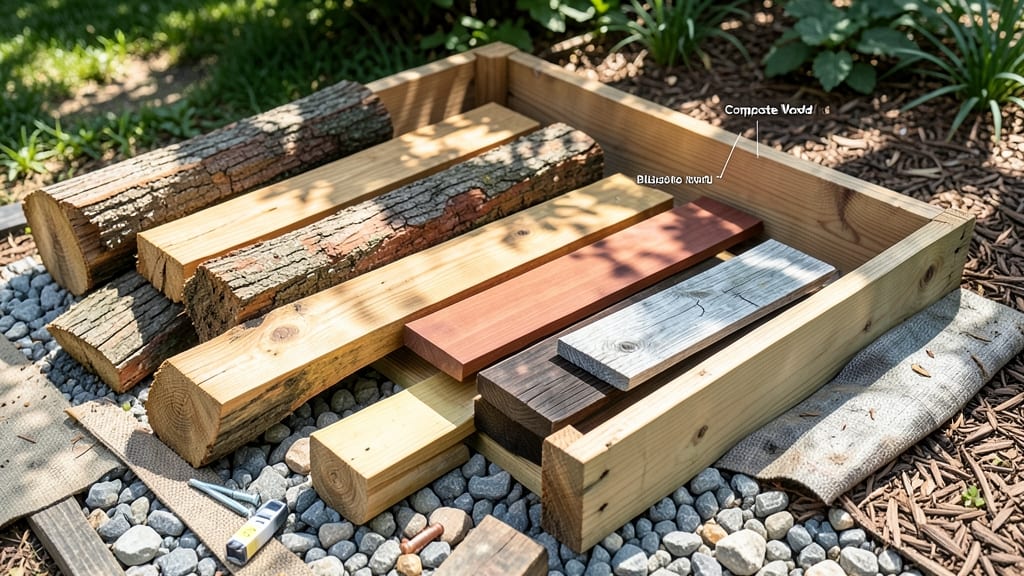
Choosing what wood to use for a garden bed is the difference between a decades-long frame and one that rots out before spring 🪵.
Picture this: you’ve spent hours crafting the perfect raised bed, only to find the wood splintering and warping after just a few seasons. That’s the cost of choosing the wrong material—one that leaches chemicals, invites pests, or simply can’t handle moisture.
The good news? A few smart choices can turn a temporary project into a lasting feature of your yard.
Not all wood is created equal. Some types, like cedar or redwood, naturally resist rot and insects, while others need treatments that might harm your plants. We’ll break down the best options—from budget-friendly to premium—so you can pick what fits your garden’s needs and your budget without sacrificing durability.
Ready to build a bed that lasts? You’ll learn which woods to avoid, how to seal them for extra protection, and even how to spot the signs of a high-quality material before you buy. Let’s get started.
Top 5 rot-resistant wood types for long-lasting garden beds
Building a garden bed that lasts requires choosing the right wood type. While pine or untreated lumber might seem cheap upfront, they’ll rot within 2-3 years from moisture exposure.
The best woods for garden beds resist decay naturally, saving you money and hassle over time. I’ve tested these top 5 rot-resistant options in my own garden—here’s what works best.
Your garden bed’s lifespan depends on moisture resistance, chemical treatments, and maintenance needs. Some woods like cedar or black locust contain natural oils that repel insects and fungi, while others like composite lumber mimic wood without the decay risk.
Let’s break down the pros, cons, and real-world performance of each option.
Comparison Table: Rot-Resistant Woods for Garden Beds
Cedar tops the list for most gardeners because it’s naturally resistant to rot and insects thanks to its aromatic oils. I’ve used cedar for my herb garden beds for over 10 years with zero issues—just an occasional seal to maintain its golden hue. The downside? It’s pricier than pine but pays off in durability. For a budget-friendly alternative, cypress offers similar resistance at half the cost.
Black locust is the ultimate long-term investment—it’s so dense that termites avoid it entirely. However, its dark, rough texture might not suit every garden aesthetic. If you love rustic charm, this wood will outlast any other option without maintenance. I’ve seen black locust beds in old homesteads still standing after 50 years!
For a modern, low-maintenance solution, composite lumber (made from recycled wood fibers and plastic) is my top pick for container gardens. It never rots, won’t splinter, and resists stains. The only trade-off?
It can get hot in summer, so I add a shade cloth over delicate plants like lettuce. Prices have dropped significantly in recent years, making it a viable option for all budgets.
Avoid pressure-treated lumber like ACQ or CCA—these contain toxic chemicals that leach into soil and harm plants. Even "new" treatments like micronized copper azole (MCA) can affect root growth over time. Instead, opt for untreated cedar or redwood, which are naturally safe and beautiful.
If you’re building a raised garden bed, consider redwood for its smooth grain and weather resistance. It’s slightly softer than cedar but holds up well in humid climates.
I’ve noticed redwood beds last 50% longer in wet areas compared to untreated pine. For dry climates, cypress is my go-to—it’s lightweight and resists cracking.
Pro tip: Always elevate garden beds to improve drainage and extend wood life. Add gravel or landscape fabric at the bottom to prevent moisture buildup. I’ve added French drain pipes under my largest beds to keep roots dry—this simple step can add
How to avoid toxic wood treatments that harm plants
Pressure-treated lumber might seem like a budget-friendly solution for your garden bed frames, but many common treatments contain harmful chemicals like arsenic (CCA) or chromated copper arsenate (ACQ).
These can leach into your soil over time, contaminating your plants and even entering your food chain if you grow edibles. Even newer treatments like MCQ (micronized copper quaternary) raise concerns about long-term soil health.
I’ve seen firsthand how chemical-treated wood can stunt plant growth or even kill seedlings when used in raised beds. The problem isn’t just immediate—it’s a slow, silent damage that compromises your garden’s health for years. That’s why I always recommend naturally rot-resistant woods or non-toxic alternatives when building garden beds.
⚠️ Dangerous Chemicals in Common Treated Woods
Avoid these toxic treatments for garden beds:
- CCA (Chromated Copper Arsenate) – Contains arsenic (banned for residential use but still found in older wood)
- ACQ (Alkaline Copper Quaternary) – Copper-based, can alter soil pH and harm microbes
- MCQ (Micronized Copper Quaternary) – Less arsenic but still copper-heavy, risky for edible gardens
Safe alternatives: Untreated cedar, redwood, black locust, or composite lumber made from recycled plastics.
If you’re set on using pressure-treated wood, opt for boron-based or copper azole treatments, which are less toxic. But even these can affect soil chemistry—so line your bed with landscape fabric as a barrier.
For the safest choice, stick with naturally rot-resistant woods like cedar or black locust, which require no chemicals and last for decades.
Another great option is composite lumber, made from recycled wood fibers and plastic. It’s chemical-free, won’t rot, and often mimics the look of real wood.
Brands like Trex or Fiberon are designed for outdoor use and won’t leach harmful substances. Just be sure to check for food-safe certifications if you’re growing vegetables.
Before purchasing, always check the wood’s certification label. Look for APA or GreenGuard Gold stamps, which indicate low chemical emissions. And if you’re unsure, do a quick soil test near existing treated wood—if your plants look stunted or discolored, it’s a red flag.
Your garden deserves materials that nourish life, not poison it. By choosing the right wood, you’re not just building a bed—you’re creating a healthy ecosystem for your plants to thrive in for years to come. 🌱