
Planting
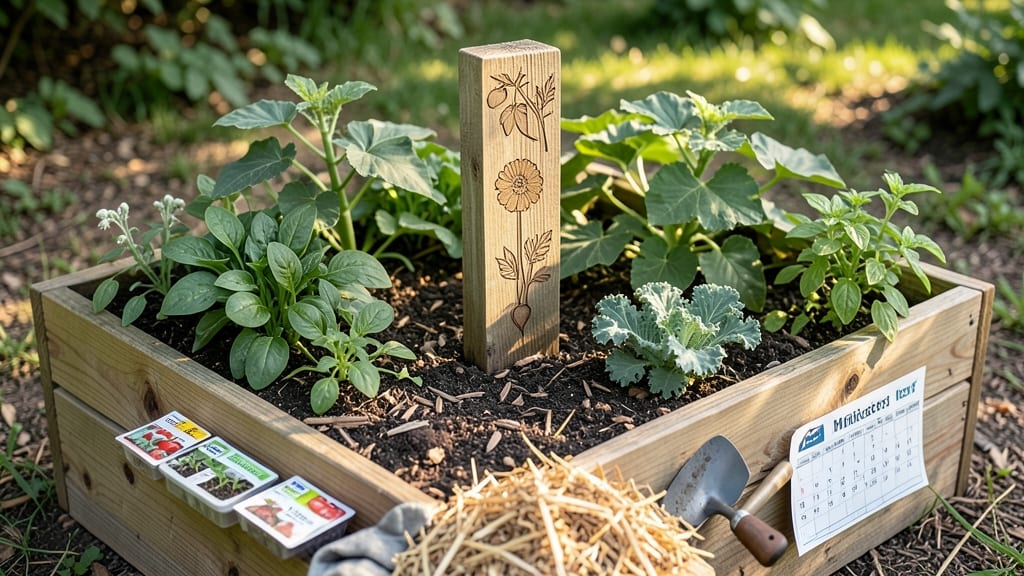
Planting your garden in Michigan at the right time means the difference between a bumper crop and a wasted season—and the last frost date is your best guide.
Michigan’s unpredictable frost dates can turn your gardening dreams into a guessing game—but timing your plantings correctly means the difference between a thriving harvest and a wasted season.
With USDA Zone 5b-6b conditions, your 🥕 General Vegetables need precise timing: too early, and a late frost will kill seedlings; too late, and summer heat arrives before they mature.
Below, I’ll break down the exact frost-free windows by region, when to start seeds indoors vs. direct-sowing, and how to stretch your growing season for a second fall harvest.
Michigan’s frost dates by region: critical planting windows for 2024
Michigan’s frost dates vary dramatically between regions, forcing gardeners to adjust planting schedules accordingly. The Upper Peninsula often faces later last frosts and earlier first frosts compared to the Lower Peninsula, while Metro Detroit typically enjoys the longest growing season.
Understanding these regional differences helps you avoid frost damage and maximize yields.
According to Michigan State University Extension, the average last frost date ranges from May 1–15 in the UP to April 15–May 1 in southern Michigan. Meanwhile, the first frost arrives as early as September 15 in northern regions and as late as October 15 in the south.
These dates dictate whether you plant cool-season crops like peas and lettuce or warm-season crops like tomatoes and peppers.
⚠️ NON-NEGOTIABLE: Planting too early risks frost damage, while delaying can shorten harvest windows. For example, tomatoes planted after May 15 in the UP or May 1 in southern Michigan may not mature before frost. Use these frost-free periods as your guide to align plantings with Michigan’s 140–180 frost-free days.
| Region | Avg. Last Frost | Avg. First Frost | Frost-Free Days | Cool-Season Planting Window | Warm-Season Planting Window |
|---|---|---|---|---|---|
| Upper Peninsula | May 1–15 | September 15–30 | 140–160 days | March 15–May 15 | May 20–June 15 |
| Northern Lower Peninsula | April 25–May 10 | September 30–October 10 | 150–170 days | March 1–May 10 | May 15–June 10 |
| Metro Detroit/Southern MI | April 15–May 1 | October 10–20 | 160–180 days | March 1–May 1 | May 10–June 5 |
In the Upper Peninsula, gardeners should prioritize early-maturing varieties of warm-season crops like bush beans (50–60 days) or zucchini (45–55 days). Meanwhile, Metro Detroit gardeners can afford slightly longer seasons, allowing for tomatoes (70–85 days) and peppers (60–90 days) to thrive with proper care.
For cool-season crops, like spinach and kale, plant in early spring (March–April) or late summer (August–September) for fall harvests. These crops tolerate light frosts (28°F) and even thrive in 32°F–40°F temperatures, making them ideal for Michigan’s unpredictable spring.
Warm-season crops, such as cucumbers and squash, require soil temperatures above 60°F to germinate. In cooler regions, use black plastic mulch or row covers to warm the soil faster. For example, Metro Detroit can start tomato transplants indoors in March, while UP gardeners should delay until mid-April.
Extend your growing season by planting succession crops like lettuce or radishes every 2–3 weeks after the last frost. This ensures a continuous harvest and minimizes wasted space.
For fall crops, sow seeds 90–120 days before the first frost—typically late July for the UP and early August for southern Michigan.
Always check local microclimates—valleys and low-lying areas frost earlier, while hillsides stay warmer. Use a frost calendar from your county’s MSU Extension office for hyper-localized advice. With these regional guidelines, you’ll avoid frost-related setbacks and enjoy a bountiful Michigan harvest.
🌱 Start planning now by marking your last frost date on your calendar and adjusting your planting schedule accordingly. Whether you’re in the UP, Detroit, or rural southern Michigan, timing is everything for a successful garden.
Best planting calendar for Michigan gardens: month-by-month guide
Michigan’s short growing season demands precision—planting at the wrong time can mean lost crops or stunted growth. My month-by-month calendar aligns with Michigan’s USDA Zones 5b-6b, balancing cold-hardy crops like spinach with heat-loving plants like tomatoes.
Whether you’re starting seeds indoors or sowing directly, this guide ensures you maximize your harvest.
Key to success? Understanding frost dates and plant maturity timelines. For example, peas and lettuce thrive in cool soil, while tomatoes and peppers need warm conditions. Below, I’ll walk you through each month’s priorities, including succession planting tips for continuous harvests and late-start alternatives if frost lingers.
📅 Michigan Planting Calendar by Month
- 🌱 March Start cool-season crops indoors: spinach, kale, lettuce. Harden off seedlings by late March.
- 🌱 April Direct-sow peas, radishes, carrots as soon as soil is workable (40°F). Transplant broccoli, cabbage after last frost (~April 15 in southern MI).
- 🌱 May Plant tomatoes, peppers, eggplants after last frost (May 10–20). Sow beans, corn, cucumbers directly. Use row covers for early starts.
- 🌱 June Succession plant lettuce, radishes, bush beans every 2 weeks. Start fall crops (spinach, kale) indoors for late-season harvests.
- 🌱 July Direct-sow late beans, beets, turnips. Transplant cabbage, Brussels sprouts for fall harvest. Monitor for pests (e.g., tomato hornworms).
- 🌱 August Plant cool-season crops (spinach, peas) for fall harvest. Harvest tomatoes, peppers before first frost. Save seeds from heirloom varieties.
- 🌱 September Direct-sow garlic, onions, hardy greens. Extend season with row covers or cold frames. Clean up debris to prevent disease.
For heat-loving plants like tomatoes and peppers, late starts are risky. If frost delays planting, opt for fast-maturing varieties (e.g., Early Girl tomatoes or Jalapeño peppers) or use black plastic mulch to warm soil faster.
My rule of thumb? Count backward from your first frost date—most crops need 60–90 days to mature.
Don’t overlook herbs like basil and cilantro—they thrive in Michigan’s summer but bolt quickly. Sow basil after last frost and harvest leaves regularly to encourage bushier growth.
For cilantro, plant in early spring or late summer to avoid bolting in heat. Succession planting is key: sow every 2–3 weeks for continuous harvests.
Pro tip: Use Michigan State University’s frost date maps to refine your schedule. Southern Michigan (e.g., Detroit) averages 10–14 days earlier than the Upper Peninsula. Adjust your calendar accordingly—planting too early in the UP can mean frost damage even in June! 🌱