
Blooming
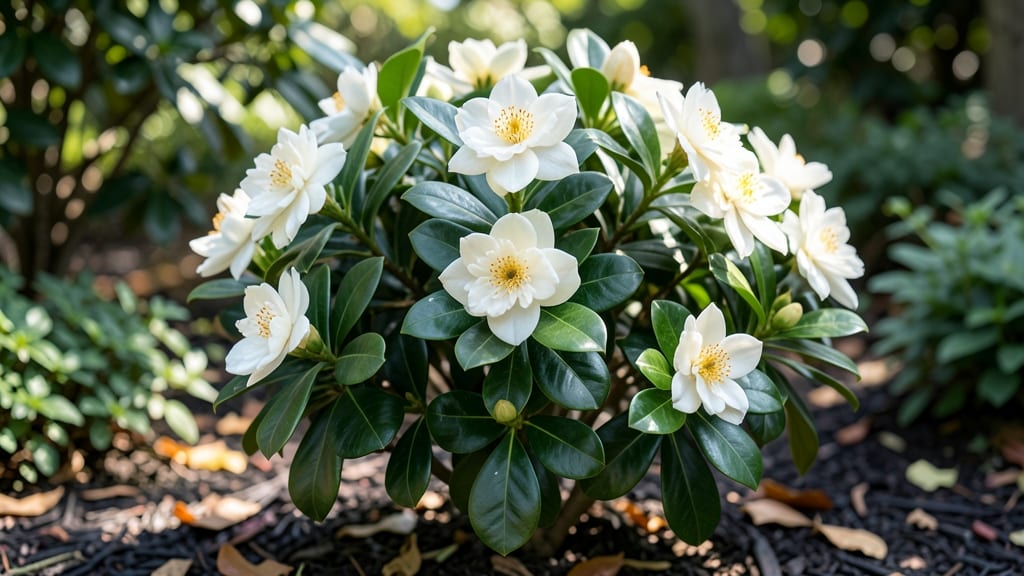
Gardenia bushes bloom in late spring to early summer—typically May through July—but the exact timing depends on your variety, climate, and a few key care tricks you might be missing.
Picture this: you’ve waited all winter for those fragrant white blooms 🌸, only to find your gardenia sitting pretty with leaves but no flowers. It’s not just about patience—it’s about understanding how your plant’s internal clock syncs with the seasons (and how to nudge it along if it’s running late).
In warmer climates like Florida or coastal California, gardenias often bloom year-round, while in cooler zones like Zone 7, they might wait until late spring or even summer. The difference? Light, temperature, and a little pruning magic.
Below, I’ll break down the exact months for popular varieties, how to troubleshoot delayed blooms, and the simple adjustments that can turn a sparse shrub into a fragrant showstopper.
Ready to transform your gardenia from "meh" to "wow"? Let’s dive into the science—and the secrets—behind those coveted blooms.
Gardenia bloom seasons by variety: exact months for common types
Gardenia bushes are famous for their creamy-white, intoxicating blooms, but their timing varies dramatically by variety. Whether you're growing Gardenia jasminoides (the classic) or Gardenia radicans (the climbing type), knowing the exact bloom windows helps you plan for fragrance and beauty.
Most gardenias follow a late winter to early summer schedule, but hybrids and rootstock can shift these dates by 4-6 weeks.
In tropical climates (Zones 9b-11), gardenias often bloom year-round with peaks in spring and fall. Meanwhile, temperate-zone gardeners (Zones 7-8) typically see blooms from February to June, with early varieties kicking off the show.
The key to predicting blooms? Understanding your specific variety's genetics and how rootstock influences timing.
Hybrid breeding plays a huge role in bloom timing. For example, Gardenia 'Kleim's Hardy' was developed to bloom 2-3 weeks earlier than standard varieties, making it ideal for Zone 7 gardeners.
Meanwhile, climbing varieties like radicans often delay blooms until late spring because their energy goes into vine growth first. If you're growing a grafted gardenia, the rootstock can also shift blooms by 3-4 weeks—ask your nursery for specifics!
Climate also tweaks these windows. In humid, coastal areas (e.g., Florida, California), gardenias may bloom year-round with two main peaks: winter and fall. But in drier inland zones (e.g., Arizona, Texas), blooms often concentrate in spring when temperatures stabilize.
Even a 5°F difference in average nighttime temps can delay blooms by 1-2 weeks.
To encourage earlier blooms, I recommend these three key adjustments:
- Prune in late winter (just before buds swell) to redirect energy to flowers.
- Feed with high-phosphorus fertilizer (like 10-20-10) in early spring to boost bloom production.
- Mulch heavily in fall to protect roots and maintain consistent soil temps. These tweaks can shift blooms 2-4 weeks earlier in cooler climates.
If your gardenia blooms late or not at all, check these three common culprits: - Insufficient light: Gardenias need 4-6 hours of morning sun—afternoon shade is fine. - Soil pH too high: Aim for 5.0-6.5 (test with a kit or add sulfur if needed). - Over-fertilizing with nitrogen: Too much green growth = fewer blooms.
Adjusting these factors can revive blooming within 1-2 seasons.
Pro tip: Track your gardenia's blooms for 2-3 years to spot patterns. Some varieties, like <
Climate zones and bloom timing: how latitude shifts gardenia seasons
Gardenias are finicky about climate zones, and their bloom timing shifts dramatically based on where you live.
In USDA Zone 10 (like Southern California or Florida), you’ll often see gardenias blooming year-round, while in Zone 7 (Mid-Atlantic or Midwest), they might wait until late spring or early summer—May through July.
The difference? Temperature, humidity, and daylight hours trigger their internal clock, and microclimates (like coastal vs. inland) can push blooms earlier or delay them.
For example, a gardenia in Zone 9 (like coastal Georgia) might bloom in March and again in September, while the same variety in Zone 8 (like North Carolina) could wait until June.
Even within a zone, humidity levels play a role—coastal areas with high humidity often see earlier blooms, while inland regions might experience delayed or sparse flowering. Understanding these shifts helps you adjust care to encourage blooms when you want them.
Here’s how latitude and microclimates reshape gardenia bloom seasons, plus how to force blooms in cooler zones:
If you’re in a cooler zone (Zone 5-8), you can trick your gardenia into blooming earlier by mimicking a warmer climate.
Try these container hacks: Plant your gardenia in a large pot with well-draining soil and move it to a sunny indoor spot (like a greenhouse or sunroom) during winter. The extra warmth and light can jumpstart blooming by 4-6 weeks.
Just remember to acclimate it gradually when moving back outdoors in spring to avoid shock.
Another trick? Prune strategically. In cooler zones, prune your gardenia right after blooming (late summer) to encourage new growth that’ll flower the following spring. Avoid heavy pruning in fall—this can delay blooms until the next year.
And if your gardenia is leafy but flowerless, it might be getting too much nitrogen (from fertilizer). Switch to a high-phosphorus blend (like 10-20-10) to boost blooms.
Finally, don’t underestimate the power of humidity. Gardenias love 60-70% humidity, and dry air (common in inland areas) can stunt blooms. Use a humidifier near potted plants or group them with other tropical plants to create a microclimate of moisture.
In Zone 7-8, this can make the difference between sparse blooms in July and a full gardenia show in May.
With these adjustments, you can align your gardenia’s blooms with your desired season—whether that’s spring weddings or summer patio fragrance. The key? Pay attention to your local microclimate and tweak care accordingly. Your gardenia will thank you with perfectly timed, fragrant blooms all season long. 🌸