
How To
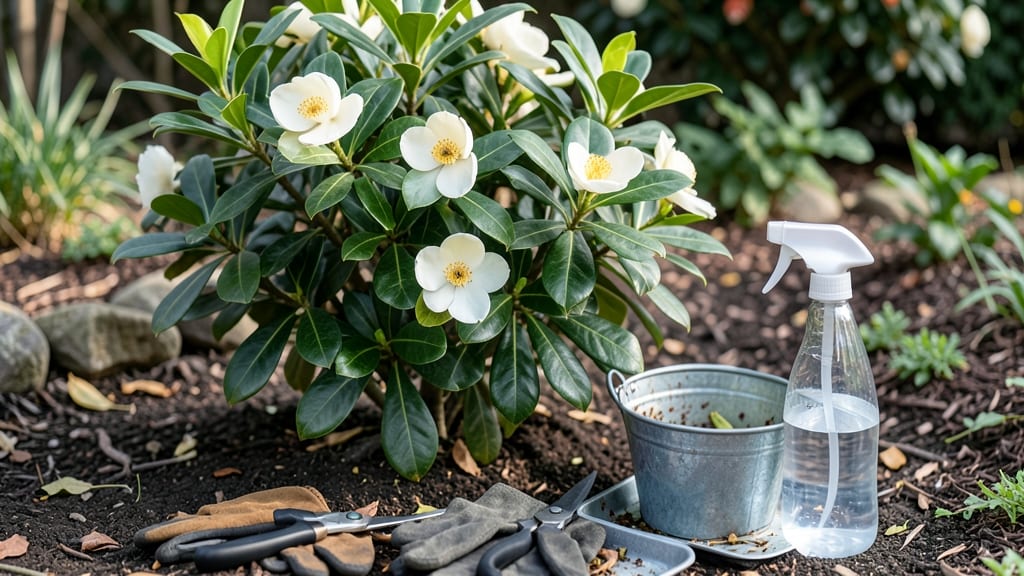
To trim gardenia bushes at the right time means waiting until after they bloom in late spring or early summer—pruning too early can cut off next year’s flower buds.
Struggling to keep your gardenia bushes blooming beautifully? The secret lies in timing—trim at the wrong season, and you could sacrifice next year’s flowers. Learn the exact windows for pruning to encourage lush growth and abundant blossoms.
Gardenia 🌸 bushes thrive in USDA Zone 6a, where late winter or early spring is ideal for a light trim to shape the plant before new growth emerges. But if you’re in a warmer climate, timing shifts to just after flowering to avoid disrupting bud formation.
Below, I’ll break down the best seasons for pruning, how to spot when your gardenia needs trimming, and step-by-step tips to keep your shrubs healthy and blooming year after year.
Best seasons to trim gardenia bushes for maximum blooms
Timing your gardenia pruning is everything when it comes to encouraging abundant blooms. These fragrant shrubs thrive on precise cuts made at the right moment, or you risk stunted growth or fewer flowers next season.
The two critical windows—late winter/early spring and post-bloom—each serve a unique purpose in maintaining your gardenia’s health and productivity.
If you live in temperate zones (USDA 7-9), late winter or early spring (just before buds swell) is ideal for renewal pruning. This removes dead wood and shapes the bush, giving it a strong start for summer blooming.
In tropical climates (USDA 10+), where gardenias grow year-round, timing shifts slightly to avoid cutting during peak flowering seasons.
Here’s the key difference: Spring pruning focuses on structural health, while post-bloom pruning (late summer/early fall) stimulates new growth for next year’s flowers. Skipping either step can leave your gardenia looking leggy or overcrowded, with fewer blossoms to enjoy.
| Pruning Season | Purpose | Best For | Climate Zones |
|---|---|---|---|
| Late Winter/Early Spring | Renewal, remove dead wood, shape bush | Structural health, early blooms | Temperate (USDA 7-9) |
| Post-Bloom (Late Summer) | Encourage new growth, remove spent blooms | Next year’s flowers, bush density | All zones (adjust timing) |
| Year-Round (Light) | Remove dead/diseased branches | Maintenance, pest control | Tropical (USDA 10+) |
For gardeners in temperate zones, late winter pruning (just as buds begin to swell) is your best bet. This 2-3 week window (typically February-March) allows you to clean up winter damage while stimulating fresh growth before summer heat arrives.
Avoid pruning too early—your gardenia needs energy stored from last year’s blooms to fuel new shoots.
In tropical climates, where gardenias bloom year-round, timing becomes more flexible but still critical. Prune lightly after each flowering cycle to maintain shape and encourage continuous blooms. Heavy pruning during peak bloom periods can shock the plant and reduce fragrance production, which is a gardenia’s signature charm.
Never prune during active bloom periods—this is a common mistake that leads to fewer flowers next season. Gardenias set next year’s buds on current season’s growth, so cutting back during flowering removes potential bloom sites.
Instead, wait until 3-4 weeks after blooms fade to trim for next year’s display.
Pro tip: Mark your calendar for your local last frost date. In most temperate regions, this falls around mid-April. Prune 4-6 weeks before to allow healing before summer stress begins. For tropical gardenias, align pruning with dry season transitions to minimize stress on the plant.
If you’re unsure about your climate’s ideal timing, observe your gardenia’s natural growth cycles. Leaf flushes and new shoot emergence are your best indicators—prune just as these signals appear. Over time, you’ll develop an intuitive sense for when your specific gardenia variety is ready for a trim.
Remember, sharp, clean cuts are non-negotiable. Use sterilized pruners and make cuts at 45-degree angles just above outward-facing buds. This simple technique ensures faster healing and healthier regrowth—critical for maintaining that lush, fragrant gardenia you love.
Key visual & growth cues to prune gardenia bushes
Your gardenia bushes 🌸 send clear signals when it’s time to prune, but many gardeners miss these cues. Look for overcrowded branches that block sunlight from reaching the center—this is a major red flag. Healthy gardenias should have an open, airy structure with sunlight penetrating to the inner growth.
Another key visual cue is dead or dying branches. These appear brown, crispy, or hollow when you tap them—they snap easily instead of bending. Removing these immediately prevents pests and diseases from spreading to healthy parts of the plant.
Excessive leafiness without flowers also signals overgrowth. If your gardenia produces mostly leaves but few blooms, it’s likely putting too much energy into foliage. Pruning back 1/3 of the oldest growth encourages new flower buds to form for next season.
⚠️ When NOT to Trim Gardenia Bushes
Never prune in late summer or fall—this cuts off next year’s flower buds, which form during this period. Avoid heavy pruning after June 15 in temperate zones, as it disrupts the plant’s natural blooming cycle.
Also, skip pruning during active blooming periods. Cutting flowers or buds removes potential pollinators and reduces the plant’s energy reserves for future growth.
Watch for crossing or rubbing branches, which create wounds where diseases can enter. These branches should be removed immediately, as they also block airflow, increasing humidity and fungal risks in the plant’s center.
Finally, suckers at the base of your gardenia are another sign it’s time to prune. These aggressive shoots steal nutrients from the main plant. Cut them off at the base with clean, sharp shears to redirect energy to the established branches.
Always prune on a dry, cloudy day to reduce stress on the plant. Avoid trimming after rain or during extreme heat, as open wounds can attract pests or dry out too quickly.