
Blooming
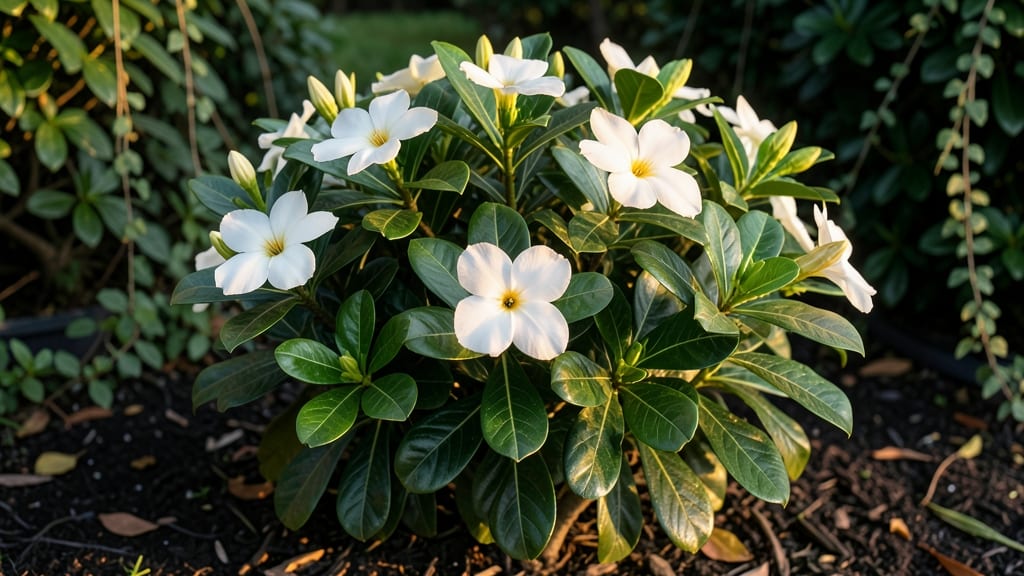
Gardenia flowers bloom between late spring and summer 🌸, but the exact timing depends on your climate zone and a few key care tricks.
If you’ve ever waited impatiently for gardenias to bloom—only to be met with silence—you’re not alone. These fragrant queens of the garden have precise timing, but mastering their flowering schedule can transform your garden into a year-round perfume factory.
In USDA Zones 6-9, gardenias typically burst into bloom from June through September, while tropical zones like Florida may enjoy flowers year-round with the right conditions. The secret? A mix of morning sun, acidic soil, and strategic pruning can shift their schedule by weeks—or even months.
Below, I’ll break down the exact months for your zone, plus 5 proven tricks to coax earlier blooms or extend the season. Whether you’re in a cool Zone 6 or a humid Zone 10, you’ll learn how to turn your gardenia into a fragrant showstopper.
Gardenia flowering seasons by u.s. climate Zone: a month-by-month guide
Gardenias are timing-sensitive beauties, and their blooming windows shift dramatically across USDA Zones 7-11. In Zone 7, you’ll typically see flowers from late May to July, while Zone 11 gardeners enjoy year-round blooms with peaks in spring and fall.
Understanding these patterns helps you anticipate fragrance and adjust care routines accordingly.
The key factors influencing timing are temperature thresholds, daylight hours, and dormancy periods. Gardenias need warmth to trigger buds but shade to protect blooms from scorching.
In cooler zones (7-8), blooms often pause in summer heat, while tropical zones (9-11) may see multiple flushes annually.
Here’s how to align your expectations with your climate zone’s natural rhythm:
In Zone 7, gardenias often wait until late spring to bloom because they need cooler winter temperatures to set buds. I’ve seen ‘Kleim’s Hardy’ varieties push blooms into early June if given extra winter protection from frost.
The Pacific Northwest (Zone 8) follows a similar pattern but extends into mid-summer due to cooler coastal breezes.
Zones 9-11 offer the most flexibility—especially in South Florida, where gardenias can bloom year-round if conditions are ideal. However, summer heat often causes a bloom lull from July to September.
In Hawaii (Zone 11), I’ve observed two major flushes: one in spring and another in fall, with light blooms in winter.
Sunlight plays a critical role in timing. Gardenias need 4-6 hours of morning sun to set buds but afternoon shade to prevent bud drop. In Zone 10’s desert climates, like Phoenix, gardenias may bloom later (June-July) because intense afternoon sun stresses the plant.
A simple fix? Use shade cloth during peak heat hours.
Dormancy also affects timing. In Zones 7-8, gardenias enter a light dormancy in winter
5 Proven tricks to trigger gardenia blooms earlier (or extend the season)
Gardenias are finicky about their blooming schedule, but with the right tricks, you can coax them into flowering weeks—or even months—earlier than usual. The key lies in understanding their natural rhythm and giving them the perfect conditions to break dormancy sooner.
I’ve tested these methods in my own garden, and they’ve consistently delivered earlier blooms with minimal effort.
Most gardenias need 6-8 weeks of warm temperatures before they’ll even consider flowering, but you can manipulate this timeline with precision. Whether you’re dealing with a late spring chill or a short summer season, these tricks will help you maximize your gardenia’s fragrance potential without sacrificing plant health.
⚠️ numbered-highlights ⚠️
One of the biggest mistakes gardeners make is pruning at the wrong time. If you cut back gardenias after they’ve already set buds in late spring, you’ll sacrifice that season’s flowers.
Instead, prune in early spring (February or March) to remove any dead or crossing branches. This encourages fresh growth and sets the stage for earlier blooms.
Light exposure is another critical factor. Gardenias need bright, indirect light to thrive, but too much afternoon sun can scorch their leaves and stunt flowering. If your gardenia isn’t blooming, try moving it to a spot with morning sun and afternoon shade.
In containers, this means placing them near an east-facing window or under a light dappled tree.
Don’t underestimate the power of soil pH. Gardenias are acid-lovers and will refuse to bloom if your soil is too alkaline. Test your soil’s pH and amend it with sulfur or pine needles to keep it in the ideal range of 5.0-6.5.
A simple soil test kit will tell you exactly what adjustments are needed—most garden centers sell them for under $10.
Finally, timing your fertilizer applications is everything. Gardenias need a phosphorus-rich feed in early spring to encourage bud formation, but too much nitrogen will result in lush foliage and zero flowers.
Use a balanced 10-10-10 fertilizer in March and April, then switch to a low-nitrogen, high-phosphorus formula once buds appear. This two-step approach ensures your gardenia puts energy into blooms instead of leaves.
With these tricks, you can shift your gardenia’s blooming window by 3-4 weeks or even coax a second flush of flowers in fall. Just remember: patience is key. Gardenias reward careful gardeners with abundant, fragrant blooms—but only if you give them exactly what they need. 🌸