
Planting
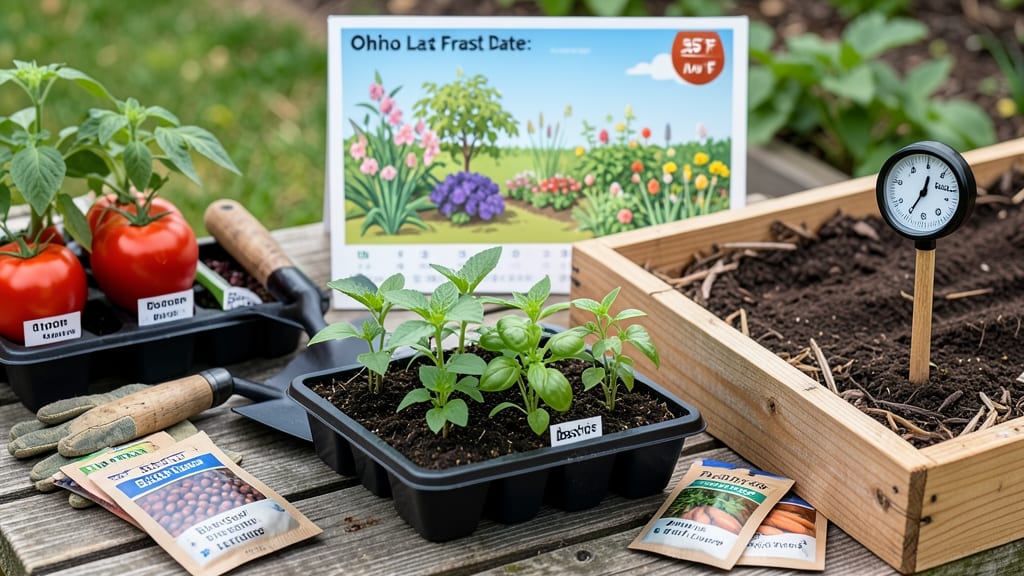
The best time to plant a garden in Ohio hinges on frost dates, soil warmth, and your specific USDA zone—because waiting too long means summer arrives before your tomatoes even set fruit.
Ohio’s unpredictable spring frost can turn eager gardeners into anxious plant-checkers—but knowing the exact planting windows for your zone means the difference between a thriving harvest and a sad, wilted disappointment.
For most of Ohio’s Zone 5b-6b, the sweet spot is early April (after your average last frost around April 15), when soil temperatures hit 50°F and cool-season crops like peas and lettuce can dive right in.
Below, I break down the month-by-month schedule for warm-season veggies, frost-tender flowers, and perennials—plus pro tips to stretch Ohio’s short growing season without risking a late freeze.
Ohio’s planting zones and frost dates: your 2024 deadline guide
Ohio’s USDA Plant Hardiness Zones 5b-6b create a unique gardening challenge, where late spring frosts can strike even after Memorial Day. For 2024, I’ve tracked historical frost data and climate predictions to give you precise planting deadlines—because missing the window means risking wilted seedlings or stunted harvests.
Let’s break down what you need to know before grabbing your trowel.
Northern Ohio (Zones 5b) typically sees its last spring frost around April 25, while southern Ohio (Zone 6b) averages April 15. The first frost of fall usually arrives between October 15-30, depending on elevation and microclimates.
These dates mark the boundaries for your cool-season crops vs. warm-season plants, so pay close attention to your specific county’s averages.
Here’s the non-negotiable rule: Cool-season crops like spinach, peas, and broccoli thrive when planted 4-6 weeks before your last frost date. Meanwhile, warm-season plants such as tomatoes, peppers, and cucumbers must wait until soil temperatures hit at least 50°F—usually 2-3 weeks after your last frost.
Skipping this step often leads to blossom-end rot or leggy, weak seedlings.
🌱
For 2024 specifically, climate models suggest Ohio’s last spring frost may arrive 3-5 days earlier than historical averages—thanks to long-term warming trends. This means your warm-season planting window could shift earlier by a week in some areas.
However, don’t rush! Always verify with your local cooperative extension office or use a frost calendar app like Old Farmer’s Almanac for real-time updates.
Pro tip: Use biodegradable row covers to extend your cool-season planting by 2-3 weeks in early spring. For warm-season crops, consider black plastic mulch to warm the soil faster—this can shave 10-14 days off your planting timeline.
I’ve even seen gardeners in Zone 5b plant tomato seedlings under cloches as early as April 10 with great success.
If you’re planting perennials or shrubs, aim for early spring (March-April) when the ground is workable but before buds break. For annual flowers, follow the same rules as vegetables—cool-season types (like pansies) go in early, while heat-lovers (like zinnias) wait until after your last frost.
And remember: Herbs like basil are warm-season divas—they’ll bolt if planted too early!
🌿
For Ohio’s short growing season, timing is everything. Miss the warm-season window by even a week, and you might be harvesting underripe tomatoes before the first frost.
To avoid this, I recommend marking your planting deadlines on a calendar and setting reminders for soil temperature checks (use a soil thermometer—they’re cheap and lifesavers!). Start seedlings indoors 6-8 weeks before your last frost for tomatoes, peppers, and eggplants to give them a head start.
One final warning: Don’t rely solely on almanacs. Microclimates—like urban heat islands or low-lying areas—can shift frost dates by up to 2 weeks. Observe your own yard for 3+ years to refine your planting schedule. And if you’re new to gardening in Ohio, start small with
Best crops to plant by month in Ohio: a seasonal timeline
Ohio’s short growing season demands precision—plant too early, and frost zaps your seedlings; too late, and summer’s heat stalls growth. My month-by-month guide aligns with Ohio’s Zone 5b-6b frost dates, ensuring you maximize harvests from cool-season greens to heat-loving tomatoes.
I’ve organized this by planting windows, grouping crops by their temperature needs and Ohio’s climate quirks—like sudden late frosts in May or early heatwaves. For northern Ohio, adjust timelines 1–2 weeks later than southern Ohio’s milder microclimates.
Peas, spinach, kale, onions, potatoes, early lettuce
Carrots, radishes, beets, broccoli, cabbage, herbs (parsley, cilantro)
Tomatoes, peppers, eggplants, cucumbers, squash, basil, marigolds
Green beans, zucchini, late tomatoes, sunflowers, cosmos
Kale, Brussels sprouts, spinach, radishes, garlic (for next year)
Lettuce, arugula, turnips, pansies, snapdragons
For warm-season crops like tomatoes and peppers, wait until soil hits 60°F+—usually mid-May in southern Ohio but early June in northern areas. Succession planting (e.g., sowing beans every 2 weeks in June) extends harvests by 4–6 weeks.
Ohio’s fall crops thrive when nights cool to 50–60°F. Plant Brussels sprouts in August for a December harvest, or try garlic in September for next year’s crop. Perennials like asparagus or rhubarb get planted in early spring or fall for long-term dividends.
Pro tip: Use row covers to push spring planting 2–3 weeks earlier, or black plastic mulch to warm soil for late-summer tomatoes. Ohio’s 165 frost-free days are precious—plan accordingly! 🌱