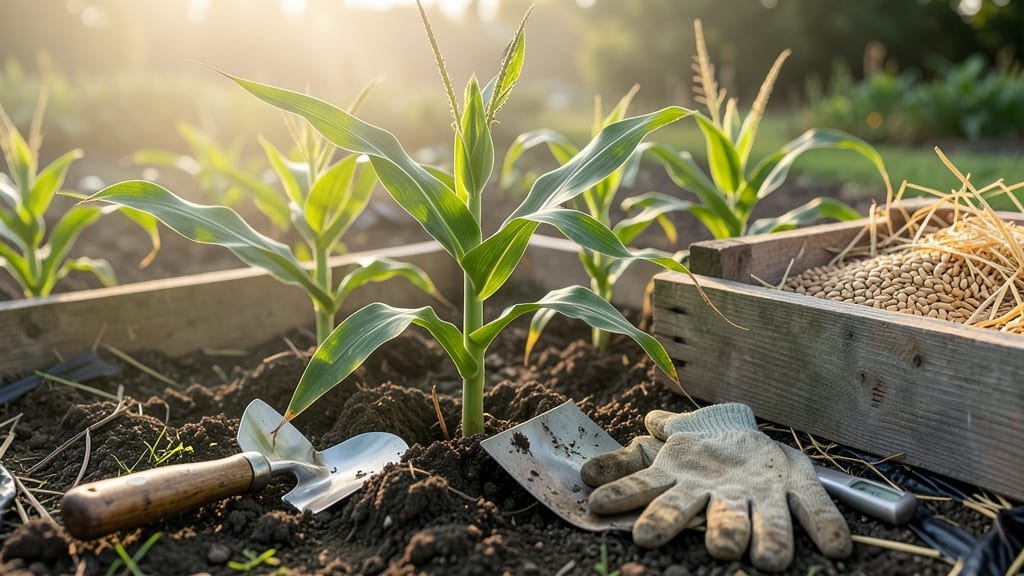
Planting your garden in Iowa at the right time means the difference between a bountiful harvest and a sad pile of frost-bitten seedlings.
Iowa’s unpredictable frost dates can turn a gardener’s excitement into anxiety—plant too early, and your tender seedlings become a frozen snack for wildlife. But mastering Zone 5b’s timing ensures a thriving garden from spring to fall.
With last frosts creeping into May in some years and early freezes sneaking in by October, knowing when to start seeds indoors, transplant seedlings, and sow directly is the key to success.
Here’s how to align your planting schedule with Iowa’s climate, from cool-season crops that love the chill to heat-loving veggies that need every warm day to thrive.
Jan
❄️
Feb
❄️
Mar
🌱
Apr
🌱
May
🌱
Jun
🌱
Jul
☀️
Aug
☀️
Sep
🍂
Oct
🍂
Nov
🍂
Dec
❄️
Iowa’s frost dates and ideal planting windows by month
Iowa’s Zone 5b climate means gardeners must time plantings carefully around average last frost dates (April 15–May 1) and first frost dates (October 15–November 1).
According to Iowa State University, these windows vary slightly across the state, but most areas follow this general rule: cool-season crops thrive when planted 4–6 weeks before the last frost, while warm-season crops need soil temperatures above 50°F (10°C) before transplanting.
Understanding these planting windows helps you avoid frost damage to tender seedlings. For example, spinach and kale can handle light frosts, but tomatoes and peppers will bolt or die if exposed to temperatures below 55°F (13°C).
Below, I’ll break down the best times to plant by month, using data from local extension offices to ensure your garden thrives.
Iowa’s frost-free growing season typically spans 150–180 days, depending on location. Northern Iowa (e.g., Dubuque) has shorter seasons, while southern Iowa (e.g., Des Moines) enjoys 10–14 extra frost-free days. Use this month-by-month guide to align your planting schedule with Iowa’s climate, whether you’re growing vegetables, flowers, or perennials.
Pro Tip: Check Iowa State University’s Planting Calendar for your specific county, as microclimates (like urban heat islands) can shift frost dates by 1–2 weeks. For example, Ames often sees its last frost 3–5 days earlier than Cedar Rapids.
| Month |
Cool-Season Crops (Plant) |
Warm-Season Crops (Start Indoors) |
Warm-Season Crops (Transplant Outdoors) |
Fall Planting (Hardy Crops) |
| March |
Spinach, peas, lettuce (under cover) |
Tomatoes, peppers, eggplants (indoors) |
N/A |
Garlic, onions (plant by March 15) |
| April |
Carrots, beets, broccoli (after last frost) |
Basil, cucumbers, squash (indoors) |
N/A |
Kale, Brussels sprouts (late April) |
| May |
Radishes, turnips (early May) |
Continue indoors |
Tomatoes, peppers (after May 15) |
Potatoes (late May for fall harvest) |
| June |
N/A (succession plant lettuce) |
N/A |
Cucumbers, beans, corn (after soil warms) |
N/A |
| July |
N/A |
N/A |
Succession plant basil, beans |
N/A |
| August |
N/A |
N/A |
N/A |
Spinach, arugula (late August for fall) |
How to adjust planting times for Iowa’s unpredictable weather
Iowa’s unpredictable frost dates can leave even experienced gardeners second-guessing their schedules. The average last frost date in Zone 5b hovers around May 15, but Mother Nature loves to throw curveballs—planting too early risks losing seedlings to late frosts, while waiting too long cuts your growing season short.
When my tomatoes and peppers were nipped by a surprise frost last June, I learned the hard way that flexibility is key. The solution? A multi-layered approach combining season extenders, heat-tolerant varieties, and proactive soil prep to give your garden the best shot at success.
Numbered Highlights: Adjusting Planting Times for Iowa’s Climate
- Start seeds indoors 6-8 weeks before your last frost date (typically March 15-April 1 for most Iowa gardeners). Use grow lights to prevent leggy seedlings.
- Use row covers or low tunnels to protect tender plants until soil warms. These can push your planting window 2-3 weeks earlier without risk.
- Plant cold-hardy varieties like 'Early Girl' tomatoes or 'Sugar Snap' peas 2-3 weeks before your usual schedule—they tolerate light frosts better than standard types.
- For warm-season crops, wait until soil reaches 60°F (use a soil thermometer) or plant heat-tolerant varieties like 'Black Krim' tomatoes or 'Shishito' peppers.
- Extend fall harvests with cold frames or hoop houses. These can keep root crops like carrots and beets growing until November or later.
- Prepare soil 2 weeks early—amend with compost and mulch to warm faster. Test soil pH and adjust if needed (most veggies prefer 6.0-7.0).
- Monitor local weather forecasts and use frost cloth as a last-minute safeguard. Even a 32°F night can damage young plants.
One of my favorite tricks is using straw bales as temporary planters for warm-season crops. Fill them with well-draining potting mix, plant your tomatoes or peppers, and set them on bare soil. The bales insulate roots from cold snaps while warming faster than garden beds in spring.
Don’t forget about fall planting—Iowa’s mild autumns allow for a second harvest of cool-season crops like kale, spinach, and radishes. Sow these 6-8 weeks before your first frost (typically September 1-October 1) for a winter harvest.
Finally, keep a planting journal to track what works in your microclimate. Note which years had early frosts or late springs, and adjust your schedule accordingly. Over time, you’ll build a customized planting calendar tailored to your Iowa garden’s quirks.
★★★★★4.5(2 reviews)
|