
Fertilization
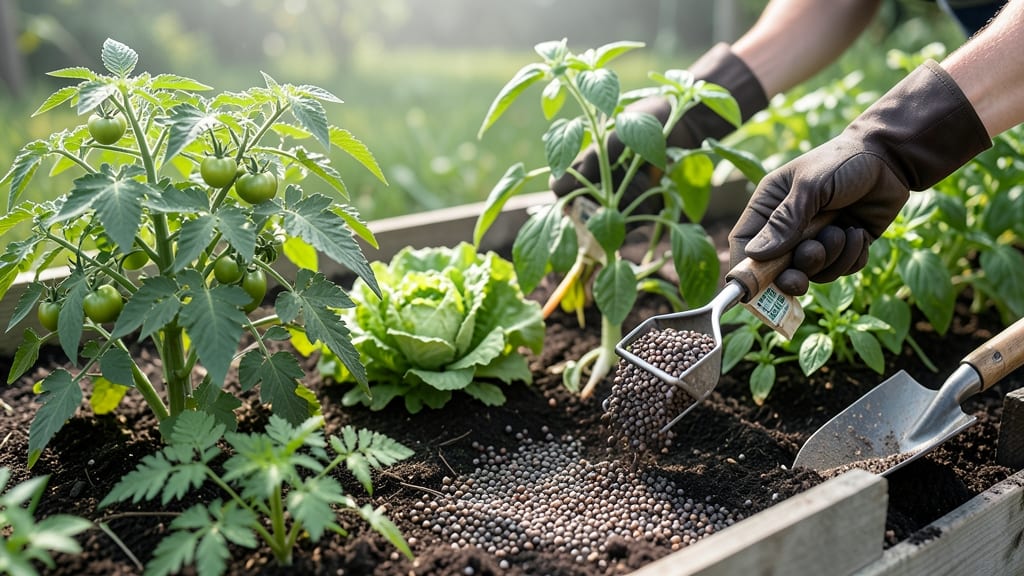
Fertilizing your vegetable garden at the right time can mean the difference between bursting harvests and stunted plants.
Timing your vegetable garden fertilization isn't just about throwing down nutrients—it's about syncing with your plants' growth cycles to unlock explosive yields and healthier harvests. Miss the window, and you might end up with leafy greens instead of juicy tomatoes or peppers.
In this guide, I’ll walk you through a soil-test-based timeline for fertilizing your 🥬 veg garden, so you know exactly when to feed your crops for maximum growth—whether you’re growing leafy greens, fruiting plants, or root vegetables.
You’ll also discover how to read your soil’s hunger signals, when to switch from organic to synthetic fertilizers, and the three critical mistakes that drain nutrients instead of boosting them.
Soil test-based fertilization timeline for peak vegetable growth
Understanding your soil test results is the first step to maximizing your vegetable garden's potential. A proper soil test reveals pH levels, nutrient deficiencies, and organic matter content, allowing you to tailor your fertilization schedule for each plant type.
For example, tomatoes thrive in slightly acidic soil (pH 6.0-6.8), while lettuce prefers a neutral pH (6.5-7.0). Ignoring these specifics can lead to stunted growth or poor yields, even with regular feeding.
Your soil test will also show NPK levels—nitrogen (N), phosphorus (P), and potassium (K). These numbers dictate when and how much to fertilize.
For instance, a high nitrogen reading in spring signals that leafy greens like spinach will benefit from a light nitrogen boost every 3-4 weeks, while fruiting plants like peppers need phosphorus-heavy feedings during flowering. Balancing these inputs ensures your garden thrives without waste.
Here’s how to align your fertilization schedule with your soil test results and plant needs:
For leafy greens like spinach or kale, focus on nitrogen-rich fertilizers in early spring when they’re establishing leaves. A soil test showing low nitrogen (<50 ppm) means you’ll need to apply a quick-release nitrogen source, like blood meal, every 2-3 weeks.
Conversely, heavy feeders like tomatoes and squash need a balanced NPK fertilizer at planting, followed by a phosphorus boost when flowers appear.
Timing is everything—especially for fruiting vegetables. If your soil test reveals low potassium (<150 ppm), apply a potassium-rich fertilizer (like greensand) when plants start flowering to prevent blossom end rot in tomatoes. Pro tip: Water thoroughly after fertilizing to prevent root burn, and always apply in the early morning to avoid leaf scorch from midday sun.
Seasonal adjustments are key. In spring, prioritize nitrogen for leafy growth, while summer calls for phosphorus and potassium to support fruiting. By late summer, taper off fertilizing to let plants harden off before frost.
This phased approach ensures your garden stays productive without overloading the soil or wasting nutrients.
Don’t forget to re-test your soil every 2-3 years, especially if you’re rotating crops. For example, legumes like beans fix nitrogen in the soil, so they don’t need heavy feeding—but the next
Critical fertilization windows by vegetable type (and what happens if you miss them)
Fertilizing your vegetable garden at the right time can mean the difference between a bountiful harvest and stunted growth. Each vegetable has unique needs, and missing the optimal fertilization window can lead to wasted effort or even plant stress.
For example, leafy greens like lettuce thrive with nitrogen early on, while tomatoes need phosphorus and potassium during flowering. Understanding these windows helps you avoid common mistakes like over-fertilizing before planting or skipping nutrients when plants need them most.
Timing isn't just about when you apply fertilizer—it's about aligning nutrients with the plant's growth stages. Pre-planting fertilization sets the foundation, while early growth and flowering stages require different nutrient ratios.
Missing these windows can result in poor root development, fewer flowers, or even blossom end rot in tomatoes. Let’s break down the critical fertilization windows for your most common vegetables and what happens if you miss the mark.
- 1 Leafy Greens (Lettuce, Spinach, Kale): Fertilize pre-planting with nitrogen-rich fertilizer (e.g., blood meal) and again 4-6 weeks later to support leaf production. Miss it? You’ll get slow growth and pale leaves.
- 2 Tomatoes & Peppers: Apply a balanced fertilizer (10-10-10) at planting, then switch to high-phosphorus (5-10-10) when flowers appear. Miss flowering stage? Fewer fruits and poor development.
- 3 Root Vegetables (Carrots, Beets, Radishes): Fertilize lightly at planting with compost or a low-nitrogen fertilizer. Over-fertilizing causes forked roots or bitter flavors.
- 4 Cucumbers & Squash: Use a potassium-rich fertilizer (e.g., kelp meal) when vines start running. Miss fruiting stage? Smaller yields and weaker plants.
- 5 Onions & Garlic: Fertilize pre-planting with compost and again when green tops emerge. Over-fertilizing leads to bolting or tough bulbs.
Understanding these windows helps you avoid common pitfalls like burning roots from over-fertilizing or stunted growth from missing key stages. For instance, tomatoes need phosphorus during flowering to develop strong fruits, while leafy greens benefit from nitrogen early on.
By syncing fertilization with your plants' needs, you’ll see healthier growth, better yields, and fewer issues like blossom end rot or leaf yellowing.
Pro tip: Always water before fertilizing to help nutrients absorb evenly. And if you’re growing multiple vegetables, tailor your approach—heavy feeders like tomatoes need more frequent feeding, while light feeders like carrots do best with minimal input.
Miss these windows, and you might end up with underwhelming harvests or plants that struggle to thrive.
Remember, organic fertilizers like compost release nutrients slowly, while synthetic fertilizers act faster. Choose the right type for each stage—pre-planting benefits from slow-release options, while flowering/fruiting stages often need a quick nutrient boost. Pay attention to your plants’ cues, and you’ll master the art of timely fertilization.