
Container Gardens
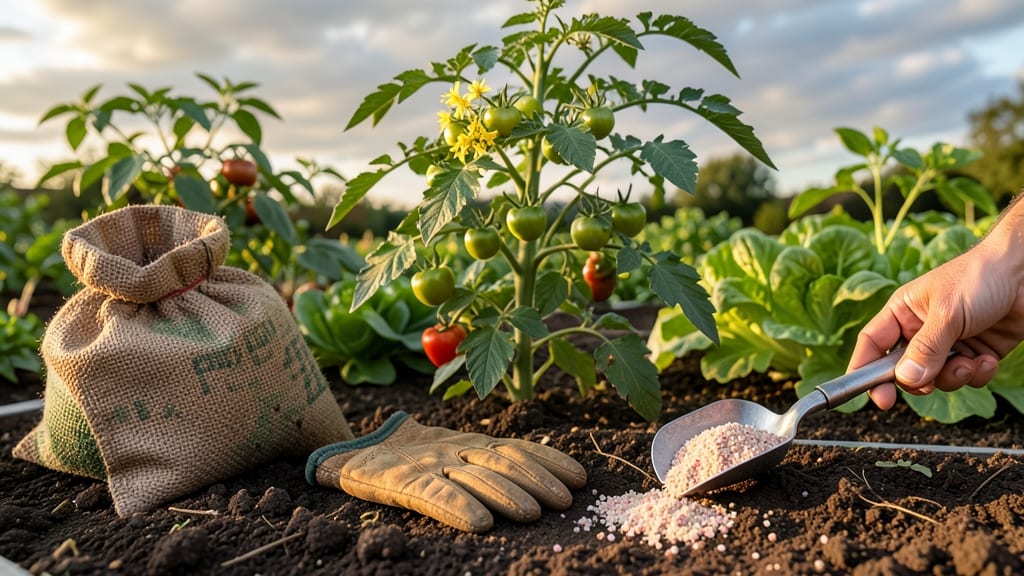
To fertilize your garden effectively, time it by plant type and season: use slow-release fertilizer in early spring for vegetables and flowers, with a second mid-season application, while lawns benefit from feeding in late spring and early fall. Always base your schedule on soil test results for optimal nutrient balance.
Timing matters because plants absorb nutrients most efficiently during active growth phases. 🌱 For vegetables and flowers, early spring fertilization kickstarts root development when temperatures rise, while mid-season feeding supports blooming or fruiting.
Lawns, however, thrive with late spring and fall feedings to strengthen roots before summer heat or winter dormancy. Soil tests reveal specific deficiencies—like nitrogen for green lawns or phosphorus for flowering plants—so you can tailor your approach.
I've found that organic fertilizers release nutrients gradually, reducing the risk of overfeeding compared to synthetic options.
Container gardens and new plantings often need more frequent attention since their root zones are limited. 🌿 If your plants show yellowing leaves or slow growth, it's a clear sign they're hungry—just don't overdo it.
Too much fertilizer can burn roots or lead to excessive foliage at the expense of flowers or fruit. Always water thoroughly after applying fertilizer to help nutrients reach the roots, and remember: less is often more when it comes to feeding your garden.
💡 In This Article
- Seasonal Fertilizer Timing for Vegetables, Flowers, and Lawns
- Signs Your Garden Needs Fertilizer and How to Adjust
Seasonal fertilizer timing for vegetables, flowers, and lawns
Plants absorb nutrients most efficiently during specific growth phases tied to temperature and daylight. In early spring, when soil temperatures reach 50-55°F, vegetables like tomatoes and peppers kickstart root development—this is why your first fertilizer application should happen as soon as you plant.
The warm soil activates microbial activity, breaking down organic matter into plant-available nitrogen, phosphorus, and potassium. 🌱 For cool-season crops (spinach, kale), early spring feeding supports leafy growth before summer heat sets in, while warm-season plants need this boost to establish strong roots before fruiting.
Mid-season fertilization, typically 6-8 weeks after planting, aligns with peak flowering or fruiting stages. At this point, plants demand more phosphorus for blooms and potassium for fruit development.
The 10-10-10 ratio (equal parts nitrogen, phosphorus, potassium) works well for vegetables, but flowering plants like roses benefit from a 5-10-5 blend to encourage more blossoms.
Lawns, however, follow a different rhythm—they need their first feeding in late spring when grass breaks dormancy and begins rapid growth, then again in early fall to strengthen roots before winter.
Temperature plays a critical role in nutrient uptake—too hot or too cold, and plants struggle to absorb what you provide. For example, tomatoes absorb nutrients best at soil temps between 70-85°F, while cool-season crops like broccoli thrive with 60-68°F soil.
This is why late summer applications can be wasted—plants slow growth to conserve energy during heat stress. 🌡️ Organic fertilizers like compost or bone meal release nutrients gradually, matching plant needs better than synthetic quick-release options, which can burn roots if overapplied.
Dormancy periods are nature's way of telling you to pause. Evergreens and perennials need minimal feeding in winter, while annuals like marigolds or zinnias benefit from a light spring feeding to jumpstart growth. Lawns enter semi-dormancy in fall, which is why that second feeding helps them store nutrients for spring.
The key is observing your plants—healthy roots mean better nutrient absorption, so always water deeply after fertilizing to move nutrients into the soil profile where roots can access them.
Container gardens require more frequent attention since their root zones are limited.
These plants often need feeding every 4-6 weeks during growing season because nutrients leach out quickly with watering. 🏺 For potted tomatoes, for instance, I've found that adding a balanced liquid fertilizer every two weeks keeps them producing all summer.
The rule of thumb is: if your plants are in containers, they're likely hungry more often than their in-ground counterparts.
Soil tests reveal the real story—what looks green and healthy might actually be masking deficiencies. A test showing high phosphorus but low nitrogen explains why your roses bloom beautifully but lack vigor.
Adjust your schedule based on these results: if potassium is low, add wood ash or a potassium-rich fertilizer in late summer to prepare plants for winter. The goal is to match your feeding schedule with what your plants actually need, not just what the calendar says.