
Picking
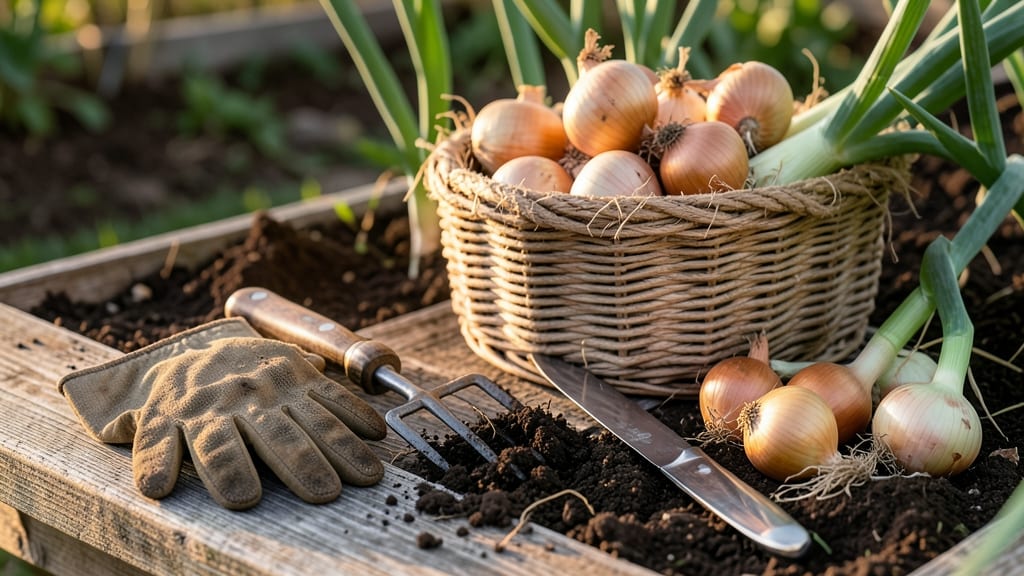
To pick onions from your garden at the perfect moment means catching them when they’re sweetest and most flavorful—before they turn tough or bitter.
Harvesting onions at the wrong time can turn your homegrown bounty into bitter, pungent scraps—so knowing the exact visual cues to watch for is key to unlocking sweet, flavorful 🧅 straight from your garden.
Most gardeners wait until the tops yellow and flop over, but there’s more to it than that. Bulb size, leaf color, and even the weather play a role in timing your harvest for peak quality.
In this guide, I’ll walk you through the three key signs that your onions are ready, how to adjust for your region, and simple storage tips to keep them fresh long after harvest.


How to identify perfectly timed onions using 3 key visual cues
Nothing beats the satisfaction of pulling perfectly sweet, flavorful onions straight from your garden—but timing is everything. Harvest too early, and you’ll get small, pungent bulbs. Wait too long, and they’ll turn bitter or even sprout.
The secret lies in these 3 visual cues that signal your onions are ready for harvest at their peak.
First, focus on the top of the plant. When the green tops begin to yellow and naturally fall over, that’s your first sign. This indicates the onion has redirected its energy from leaf growth to bulb development—a clear signal it’s time to harvest.
Ignore this cue, and your onions may split or become tough.
Next, examine the bulb size. Ideal storage onions should reach 1-2 inches in diameter at the widest point. If you’re growing green onions or scallions, you’ll harvest much earlier when the stems are tender and about 6-8 inches tall.
Use a ruler or your thumb as a quick guide—if the bulb fits snugly between your thumb and forefinger, it’s ready.
The neck of the onion is another critical clue. When it begins to dry and tighten, that’s your third cue. A dry neck means the onion has stopped growing and is ready for harvest.
Gently squeeze the bulb—if the skin resists and feels dry, it’s time. If it’s still soft or moist, give it another 1-2 weeks.
Don’t overlook the skin texture, either. Ready-to-harvest onions have dry, papery skin that won’t bruise easily. Run your fingers over the bulb—if it feels firm and the skin doesn’t stick to your fingers, you’re golden. This texture ensures your onions will store well for months.
For short-day varieties (like Texas Early White), aim to harvest in July-August, while long-day varieties (like Yellow Sweet Spanish) are best picked in September-October. Check your seed packet for variety-specific timing, as some onions mature faster than others.
If you’re unsure, do a spot check every few days. Dig up one onion and examine it closely. If the bulb is small but the top is yellowing, wait a few more days.
If the bulb is large but the top is still green, you’ve missed the window. Pro tip: Harvest on a dry, sunny morning to reduce disease risk.
Once you’ve confirmed all three cues, use a sharp knife or garden fork to lift the onions gently. Shake off excess soil, but don’t wash them—moisture speeds up spoilage. Let them cure in a dry, shaded spot for 1-2 weeks before storing to develop their full flavor and longevity.
Mastering these visual cues will transform your onion harvest from hit-or-miss to consistently delicious. Next time you’re browsing your garden, take a closer look at those tops, bulbs, and necks—your taste buds will thank you! 🧅
Onion variety harvest times: green vs. storage onions explained
Not all onions are created equal when it comes to harvest timing. Green onions and scallions can be harvested multiple times, while storage onions need precise timing to develop their signature flavor and keep well. Understanding these differences saves you from bitter, pungent harvests that spoil quickly.
Climate and soil type also shift when to pick onions from your garden. In cooler regions, storage onions mature slower, while hot climates speed up the process. Sandy soil drains faster, prompting earlier harvests, whereas clay soil keeps onions growing longer.
Here’s how to time your harvest for each type:
| Onion Type | When to Pick | Key Visual Cues | Days to Maturity | Climate Notes |
|---|---|---|---|---|
| Green Onions/Scallions | Multiple harvests | Leaves reach 6-8 inches tall; cut 1 inch above soil to regrow | 50-60 days | Harvest every 2-3 weeks in warm climates; slower in cool regions |
| Storage Onions | Single harvest | Tops yellow and flop; bulbs 1.5-2.5 inches wide; neck tightens | 90-120 days | Hot climates: harvest earlier (70-90 days); cool climates: wait longer (100-120 days) |
| Short-Day Varieties (e.g., Texas Early White) | Late summer | Bulbs 2-3 inches wide; tops brown and dry by July-August | 80-100 days | Thrive in hot climates with long summers |
| Long-Day Varieties (e.g., Yellow Sweet Spanish) | Early fall | Tops yellow by September-October; bulbs 2+ inches wide | 100-120 days | Need cool nights to mature; ideal for northern gardens |
For green onions, you can snip leaves as needed, but storage onions demand patience. If you harvest too early, bulbs won’t store well; too late, and they’ll split or sprout. Always cure storage onions in a dry, shady spot for 2-3 weeks before storing.
Soil type matters too. In sandy soil, onions mature faster—check bulbs at 80 days. In clay soil, wait until 100+ days to avoid underdeveloped bulbs. Adjust your harvest timeline based on your garden’s conditions for the best results.
Pro tip: Mark your planting date and use a harvest calendar to track maturity. For storage onions, aim to harvest before the first frost—unless you’re growing hardneck varieties, which can tolerate light frosts.