
Picking
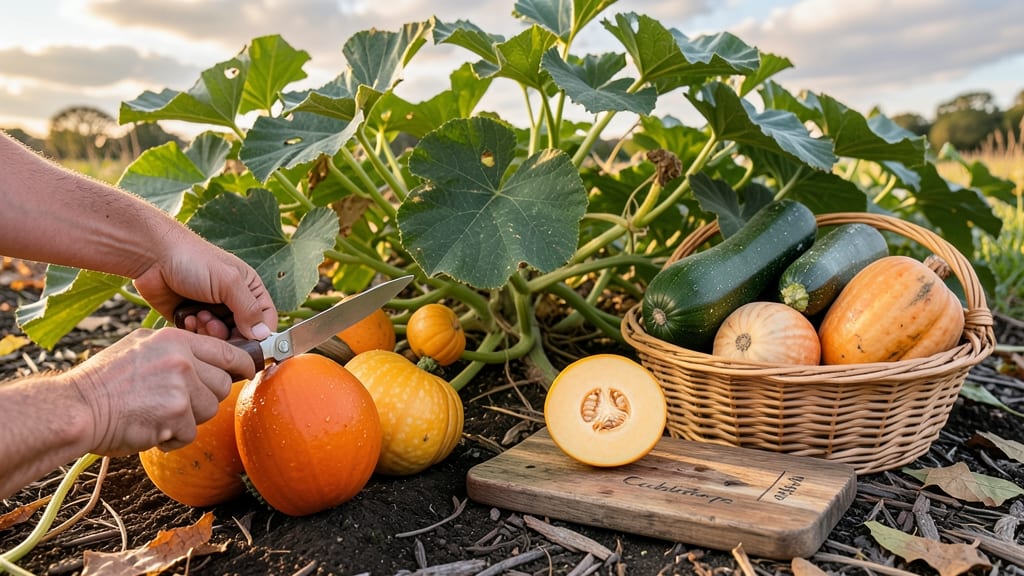
Picking squash from your garden at the right time means the difference between tender, sweet flesh and tough, seedy disappointment.
🎃 Too early, and you’ll end up with bland, watery squash that’s barely edible. Too late, and you’re left with a rock-hard mess that’s more decoration than dinner.
The secret? These 3 tactile tests—firmness, color depth, and stem condition—that tell you exactly when to snip for perfect flavor and texture.
Summer squash like zucchini and yellow varieties ripen fast, often in just 55 days, so timing matters. Skip the guesswork and learn how to read your plants like a pro, whether you’re in Zone 6a or beyond.
Below, I’ll walk you through each test, plus what to do if you miss the window.
By the end, you’ll know not just when to pick your squash, but how to tell the difference between ready-to-eat and still-needs-time. No more wasted harvests—just peak-season squash, every time.
How to test squash ripeness using touch and color (3 key signs)
Nothing beats the satisfaction of harvesting squash at its peak—when the flesh is tender, seeds are small, and flavor is sweet. But determining the perfect moment can be tricky if you rely only on size or days since planting.
Instead, use these 3 tactile tests to assess ripeness by touch and color, ensuring your zucchini, yellow squash, and summer squash are ready for the kitchen or storage.
First, let’s clarify what we’re aiming for: squash picked at the right time should have firm yet tender skin, a deep, consistent color, and a slightly dried stem. These signs guarantee the best texture and flavor, whether you’re slicing for stir-fries or roasting whole.
Missing these cues often leads to tough, seedy, or bitter squash—so let’s dive into the details.
📌 Summary Table: When to Pick Squash from Garden
| Test | Zucchini | Yellow Squash | Summer Squash |
|---|---|---|---|
| Firmness | Skin hard to puncture with fingernail | Firm but not rock-hard | Glossy, thick skin |
| Color | Deep green, uniform | Bright yellow/orange, no patches | Fully developed hue |
| Stem | Dries slightly, separates easily | Browns at base | Stem shrinks, detaches cleanly |
| Size | 6-8 inches long | 4-6 inches in diameter | Varies by variety (check seed packet) |
Let’s start with the firmness test, the most reliable way to judge ripeness. Press your thumbnail into the squash’s skin near the blossom end. If it leaves a slight dent but doesn’t puncture easily, it’s ready.
For zucchini, the skin should feel firm but not tough—like a ripe avocado. Yellow squash should have a slightly thicker skin that resists gentle pressure, while summer squash varieties like pattypan should have a glossy, almost waxy texture.
Next, observe the color changes. A fully ripe squash will have a deep, uniform hue with no green or pale patches. For zucchini, this means a rich, matte green; for yellow squash, a vibrant yellow or golden-orange.
If the color is patchy or still developing, wait a few days. Pro tip: Check the stem end—it should darken slightly, indicating the squash has stopped growing and is ready for harvest.
The third test focuses on the stem separation. Gently twist the squash at the stem attachment point. If the stem detaches cleanly with a slight crack or dry sound, it’s time to pick.
A stubborn stem means it’s not ripe yet; if it pulls away too easily, the squash may be overripe. This test is especially critical for summer squash, where the stem drying signals peak sweetness and tenderness.
Timing matters too—harvest in the morning when temperatures are cooler. This ensures the squash hasn’t over-ripened during the heat of the day.
For zucchini, which can grow rapidly, check plants every 2-3 days once they start flowering. Yellow squash and summer squash varieties may take slightly longer, so monitor them weekly once they reach half their expected size.
What if your squash fails one of these tests? Don’t panic! Underripe squash can still be used—cook it like green beans or add to soups. Overripe squash? Peel, seed, and roast the flesh for a caramelized flavor boost.
But for the best results, master these 3 tactile tests to enjoy squash at its prime every time.
Remember, the key to perfect squash lies in your hands and eyes. Combine these tests with regular garden checks, and you’ll never again wonder when to pick squash from the garden—just reach in and harvest with confidence!
Common mistakes that ruin squash harvest timing (and how to avoid them)
Even experienced gardeners sometimes struggle with squash harvest timing. The biggest mistake? Waiting until the squash looks "big enough" without checking for true ripeness. This leads to tough, fibrous flesh that’s nearly impossible to eat raw or cook properly.
Worse, overripe squash develops seeds that turn bitter, ruining flavor and texture.
On the flip side, picking too early—when squash is still soft and pale—results in watery, bland produce that lacks the sweetness and structure you crave. Both extremes waste your garden’s hard work.
The solution? Mastering the 3 tactile tests (firmness, color, and stem condition) while accounting for your local climate and variety.
⚠️ Warning: These 3 Mistakes Kill Squash Flavor
- Ignoring skin firmness: Soft squash = underripe; rock-hard = overripe. Test with your fingernail!
- Color alone isn’t enough: Pale or patchy hues mean it’s not ready, even if size looks right.
- Skipping stem checks: A dry, withering stem signals peak ripeness—don’t wait for it to detach!
Pro Tip: Summer squash (zucchini, yellow squash) ripens in 55 days—check every 2-3 days once plants flower.
Weather plays a surprising role in harvest timing. Hot, dry summers accelerate ripening, while cool, cloudy conditions slow it down. For example, in Zone 6a, summer squash might be ready by early July, but in cooler zones, you could wait until August.
Always adjust your checks based on your local growing season and microclimate.
Variety matters just as much as timing. Zucchini and yellow squash should be harvested when they’re 6-8 inches long, while acorn or butternut squash need 10-12 inches and a harder rind. Pay attention to your plant’s maturity guidelines—they’re your first clue for when to start testing.
Another common pitfall? Harvesting at the wrong time of day. Morning harvests (before 10 AM) yield the freshest squash because plants are hydrated and firm. Avoid picking after a hot afternoon, when squash can feel softer due to heat stress.
Always use a sharp knife or pruners to avoid damaging the vine.
If you’ve already missed the perfect window, don’t panic. Underripe squash can be cooked like green beans (blanched or sautéed), while overripe varieties work great in soups or bread. Store squash in a cool, dry place (50-55°F) for up to 2 weeks to buy yourself extra time.
But the best strategy? Stay vigilant and check your squash every 2-3 days once it starts growing.