
Planting
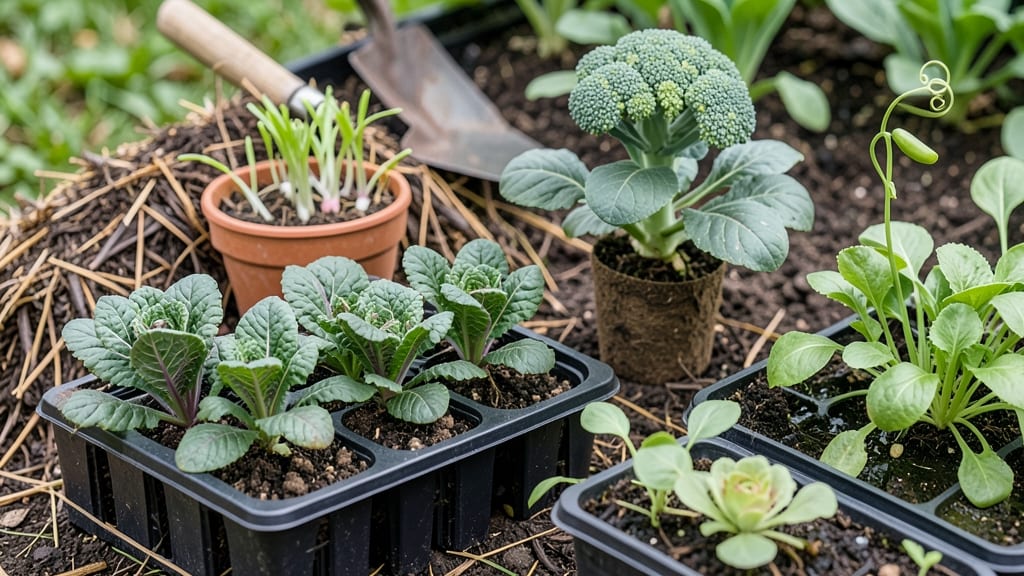
Planting a fall garden in Zone 7 🥬 means starting 6 to 8 weeks before your first frost—usually between late August and early September, depending on the crop.
Miss that window, and you’ll either bake your greens in summer heat or watch them bolt before harvest. But get it right, and you’ll enjoy fresh spinach, carrots, and kale long after summer tomatoes are a distant memory.
Zone 7’s 180 frost-free days give you just enough time to grow cool-season crops, but the clock starts ticking fast. The key is picking the right varieties and planting at the perfect moment—neither too early nor too late.
In this guide, I’ll break down the exact dates for your top fall crops, how to adjust for heat waves or early frosts, and the 5 most reliable plants for a Zone 7 harvest that lasts until December.
Fall planting calendar for Zone 7: exact dates by plant type
Zone 7 gardeners have a golden window for fall planting that stretches from late July to mid-October. The key is planting cool-season crops early enough to mature before the first frost (typically October 15 in most of Zone 7), but not so early that they bolt in summer heat.
For example, broccoli and kale need 60-70 days to harvest, so they must go in by early August.
Soil temperature matters just as much as air temperature. Most cool-season crops thrive when soil is between 45°F and 75°F. If your soil is still above 80°F in early August, start with fast-maturing varieties or use shade cloth to protect seedlings.
I always test my soil with a thermometer—it’s the difference between thriving plants and struggling ones.
Here’s the breakdown: Leafy greens like spinach and lettuce can handle cooler temps and even light frosts, while root crops like carrots and beets need consistent moisture to avoid woody textures. Brassicas (broccoli, cabbage) are the most forgiving—just give them full sun and well-draining soil.
🌱
Don’t overlook succession planting for crops like lettuce and radishes. These grow quickly—just 30–40 days—so sow new seeds every 2 weeks from August through September. I’ve had success with ‘Cherry Belle’ radishes in September, harvesting them before the first frost sweetens their flavor.
For last-chance summer crops like tomatoes and peppers, focus on heat-tolerant varieties such as ‘Celebrity’ tomatoes or ‘Jalapeño M’ peppers. Plant these in early August and use mulch to keep roots cool. I’ve extended my tomato season by 3 weeks with black plastic mulch—it’s a game-changer for Zone 7.
If you’re planting flowers for fall color, pansies and snapdragons are my top picks. They thrive in cooler temps and even bloom after light frosts.
Start seeds indoors in late July or buy transplants in August for instant color. My garden always gets compliments when these bright blooms appear in September!
One common mistake? Waiting until October to plant. By then, most crops won’t mature before frost. I learned this the hard way with broccoli—my October-planted seedlings were stunted by cold snaps. Stick to the August–September window for best results.
🌿
How to adjust planting dates for early or late Zone 7 summers
Zone 7 summers can be unpredictable—some years bring unusually early heat waves, while others linger with late-summer humidity. If you plant too early, your cool-season crops will bolt or wilt; too late, and frost will cut your harvest short.
The key is flexibility: adjusting your schedule based on soil temps, weather forecasts, and your garden’s microclimate.
Urban gardens often run 5–10°F warmer than rural areas due to pavement and buildings, while shaded spots may stay cooler. I’ve learned to monitor soil thermometers (ideal range: 50–70°F) and use row covers to extend seasons.
For example, in my hotter urban plot, I delay spinach until mid-September, while my rural neighbor plants in early August.
⚠️ callout-warning
Planting too early in Zone 7’s late summers risks heat stress—leafy greens like lettuce will bolt (go to seed) in temps above 80°F. Conversely, late planting (after mid-September) may not mature before frost. Use succession planting in 2-week intervals to spread risk.
🌡️ Pro Tip: Start heat-tolerant varieties (e.g., ‘Black Seeded Simpson’ lettuce) 4–6 weeks before your usual date to beat the heat.
For early summers, prioritize fast-maturing varieties like ‘Early Wonder’ peas (50 days) or ‘Teton’ spinach (30 days). These handle mild heat better than slower growers. If your summer stretches into October, switch to cold-hardy crops like kale or radishes, which thrive near 32°F.
Succession planting is my secret weapon. Instead of sowing all your carrots or beets at once, stagger seeds every 10–14 days from August through September. This ensures a continuous harvest and reduces the chance of losing everything to a single late-summer heatwave or early frost.
Row covers (floating fabric tunnels) buy you 2–4 extra weeks of growing time. I use them to protect broccoli and cabbage from flea beetles and extend harvests into November.
Remove covers during the day in warm weather to prevent overheating, but leave them on at night to shield from light frosts.
Finally, seed-starting indoors gives you a 4–6 week head start. Begin broccoli or cauliflower in late July under grow lights to transplant outdoors in early August.
This way, you’re not racing the clock when summer peaks. For slow growers, use heat mats to keep soil temps ideal (70°F).