
Planting
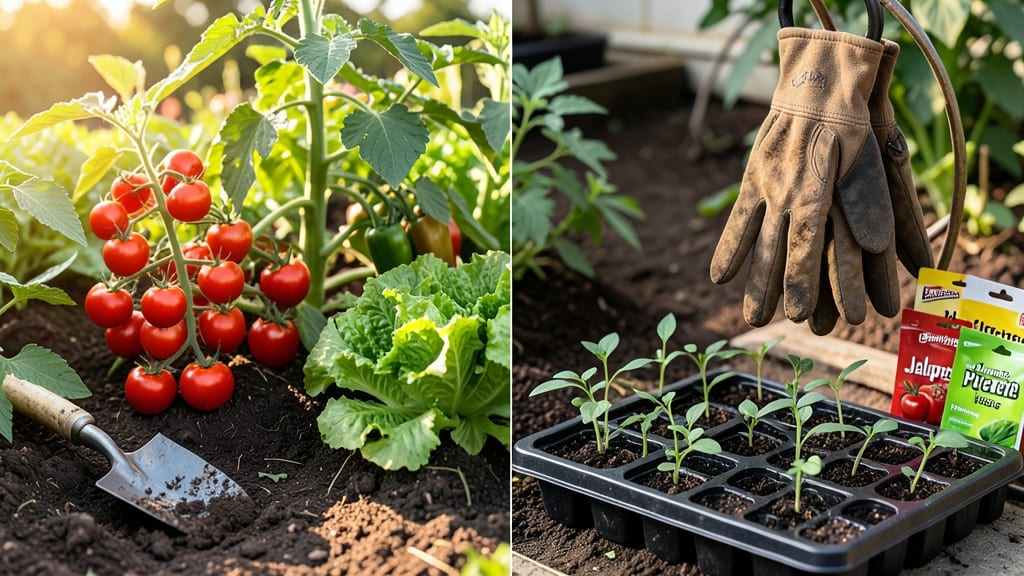
Planting a garden in Indiana at the right time means the difference between a bountiful harvest and a sad pile of frost-nipped seedlings.
Indiana’s unpredictable spring weather can turn a gardener’s excitement into frustration if you plant too early—but timing your garden just right means lush harvests and fewer wasted seeds. Knowing the exact frost-free deadlines for each plant type in Indiana is the secret to a thriving garden.
Most Indiana gardeners in USDA Zones 5-6 should aim for mid-April to early May for warm-season crops like tomatoes and peppers, while cool-season greens like spinach and peas can go in as early as March. The key is watching for consistent soil temperatures above 50°F—not just the calendar.
Below, I’ll walk you through the best planting windows for every crop, how to adjust for late frosts, and the one trick that extends your growing season by 3 weeks—even in Indiana’s short summers.
Indiana’s frost-free deadlines by plant type: cool vs warm season crops
Indiana’s USDA Zones 5-6 create a unique challenge for gardeners—spring can swing from freezing nights to 80-degree days in just weeks. The key to success? Knowing your last frost dates and matching them to each plant’s temperature needs.
Northern Indiana (Zone 5) typically sees its average last frost around April 15-30, while southern Indiana (Zone 6) warms up 1-2 weeks earlier.
Cool-season crops like spinach, peas, and lettuce thrive when temperatures hover between 40°F and 75°F. Plant these 4-6 weeks before your last frost—usually mid-March to early April in most of Indiana.
Warm-season lovers like tomatoes, peppers, and beans need soil temperatures above 60°F and should wait until 2 weeks after your last frost, typically mid-May to early June.
Here’s a quick reference for Indiana’s frost-free planting windows by region and crop type:
For cool-season crops, I recommend starting with hardy varieties like 'Winter Density' peas or 'Black Seeded Simpson' lettuce. These handle Indiana
How to adjust planting times for Indiana’s microclimates and weather quirks
Indiana’s diverse microclimates mean your neighbor’s thriving garden might struggle in your backyard. Urban heat islands, lake breezes, and rural temperature swings all affect planting times. Adjusting your schedule by just a few weeks can mean the difference between flourishing plants and frost-nipped failures.
Start by understanding your specific last frost dates. Northern Indiana (USDA Zone 5) typically sees its last frost around April 20-30, while southern Indiana (Zone 6) averages May 5-15. But don’t rely solely on averages—track local patterns for 3-5 years to refine your timing.
Here’s how to adapt your planting schedule for Indiana’s quirks:
- Use row covers for 2-4 week extensions in spring/fall. Lightweight fabric raises soil temps by 5-8°F, protecting tender seedlings from late frosts.
- Plant warm-season crops (tomatoes, peppers) after May 15 in northern Indiana. Start seeds indoors 6-8 weeks early for a head start.
- Adjust for urban vs rural: City gardens warm 2-3°F faster than rural areas. Plant heat-loving crops 1 week earlier in urban zones.
- Extend fall harvests with cold frames. Clear plastic tunnels can add 4-6 weeks of growing time for greens and root veggies.
- Monitor heatwaves. If temps hit 90°F+ before June 1, delay planting heat-sensitive crops like cucumbers or squash until after July 4.
For urban gardeners, consider vertical planting near south-facing walls. These microclimates can be 5-10°F warmer than open areas, allowing earlier planting of warm-season crops. Just watch for reflected heat stressing delicate plants like lettuce.
Rural gardeners should leverage natural windbreaks like hedgerows or fences. They create sheltered pockets where cool-season crops like broccoli or cabbage can thrive 2 weeks longer in fall. Combine this with mulching to preserve soil moisture during Indiana’s unpredictable summer rains.
Pro tip: Keep a planting journal noting when you sow, transplant, and harvest. Over time, you’ll spot patterns—like that year your tomatoes bolted early because of a June heatwave. Adjust next year’s schedule accordingly. With these tweaks, you’ll turn Indiana’s weather quirks into your garden’s superpower! 🌱