
Planting
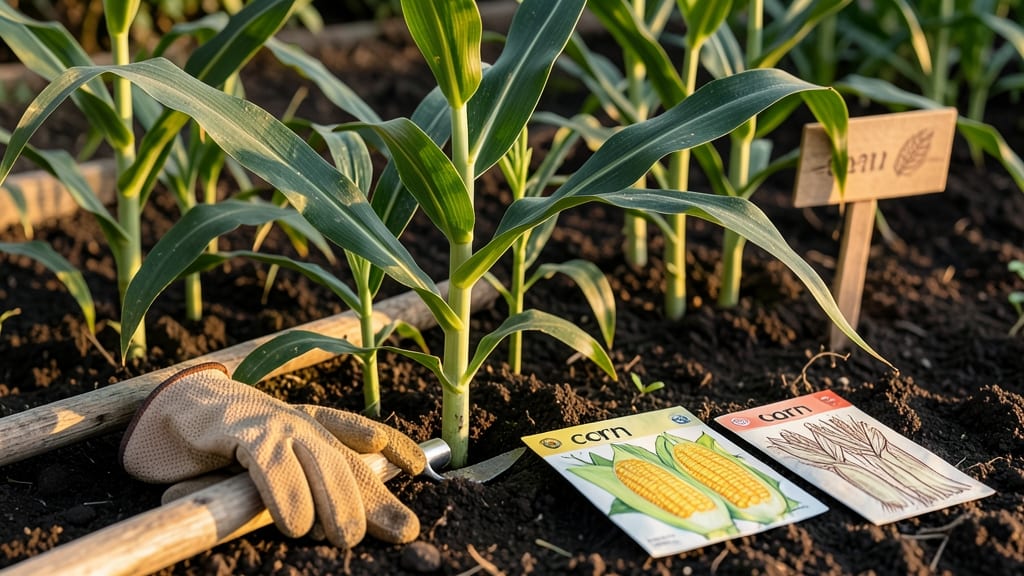
Planting a garden in Iowa works best when you start 4 to 6 weeks before the last frost—typically mid-April for most of the state.
Iowa’s short growing season means timing your garden planting perfectly can mean the difference between a bountiful harvest and a disappointing one. One late frost or early heatwave can derail even the most careful plans, so knowing the right window is everything.
For USDA Zone 4b, where most of Iowa sits, cool-season crops like lettuce and peas go in early, while tomatoes and peppers wait until after Memorial Day. But don’t just follow a calendar—soil temperature and microclimates play a bigger role than you might think.
Below, I’ll break down the exact deadlines for vegetables, flowers, and perennials, plus how to adjust if your spring runs hot or cold. Ready to maximize your harvest? Let’s get started.
Iowa’s planting timeline by USDA Zone 4b: key deadlines for vegetables, flowers, and herbs
Iowa’s USDA Zone 4b presents unique challenges with its short frost-free season (about 120-140 days) and unpredictable spring weather. Getting your planting schedule right ensures you maximize harvests before the first frost—typically October 15-30.
I’ve broken down the ideal month-by-month deadlines for cool-season crops, warm-season staples, and perennials to help you plan like a pro.
Start by marking your last frost date (usually May 5-15) and first frost date (late October) on your calendar. These dates anchor your entire planting strategy, especially for heat-sensitive crops like tomatoes and peppers.
Iowa’s soil warms slowly, so don’t rush—wait until soil reaches 50°F (10°C) for most vegetables. For flowers and herbs, timing varies widely, but early spring and late summer are your best bets for establishment.
Below is your Iowa planting timeline, organized by crop type and season. Use this as your roadmap to avoid common mistakes like planting warm-season crops too early (they’ll bolt) or cool-season crops too late (they’ll struggle with summer heat).
Pro tip: Extend your season with row covers or cold frames for early/late plantings!
| Crop Type | Planting Window | Key Deadlines | Notes |
|---|---|---|---|
| Cool-Season Vegetables | Spring | March 15 - April 30 | Peas, spinach, lettuce, kale, broccoli. Start seeds indoors 4-6 weeks before last frost. |
| Cool-Season Vegetables | Fall | July 15 - August 15 | Kale, spinach, radishes, carrots. Plant 8-10 weeks before first frost for harvest. |
| Warm-Season Vegetables | Late Spring | May 1 - June 15 | Tomatoes, peppers, cucumbers, beans. Wait until soil is 60°F+ and night temps stay above 50°F. |
| Perennial Flowers | Early Spring | April 1 - April 30 | Coneflowers, black-eyed Susans, daylilies. Plant after last frost when soil is workable. |
| Herbs | Spring/Fall | April 15 - May 15 (Spring) / August 1 - August 15 (Fall) | Basil (warm), parsley, chives (cool). Basil needs warm soil; parsley thrives in cool weather. |
| Bulbs (Spring Blooms) | Fall | September 15 - October 15 | Tulips, daffodils, alliums. Plant 6-8 weeks before ground freezes. |
For cool-season vegetables, start seeds indoors in March for early harvests.
Harden off seedlings by mid-April and transplant after the last frost. Peas and spinach are your best bets for early spring—plant them as soon as soil is workable (even if it’s still chilly). Lettuce and kale can handle light frosts, so don’t rush their planting.
In fall, focus on fast-maturing crops like radishes and bush beans to harvest before winter sets in.
Warm-season crops like tomatoes and peppers demand patience. Don’t plant them until after May 1, when soil temperatures consistently stay above 60°F (15°C).
Use black plastic mulch to warm the soil faster if needed. Cucumbers and squash also thrive in warm conditions, but plant them after June 1 to avoid blossom-end rot from cool nights. For herbs like basil, wait until late May—it’s sensitive to frost and needs warmth to flourish.
Perennial flowers are your low-maintenance workhorses in Iowa’s climate. Plant spring-b
How to adjust planting dates for Iowa’s unpredictable weather: frost, heat, and soil temperature tips
Iowa’s unpredictable spring frosts and sweltering summer heatwaves can throw off even the most experienced gardener’s timing. The average last frost date in Iowa’s Zone 4b hovers around May 10-20, but late frosts can linger into June—especially in northern Iowa or elevated microclimates.
Meanwhile, soil temperatures must reach 50°F for cool crops and 60°F+ for warm-season plants before you risk stunted growth or seed rot.
To beat Iowa’s weather whiplash, I’ve learned to use a three-pronged strategy: extend the season with protective gear, choose heat-tolerant varieties, and monitor microclimates in your yard.
For example, my south-facing garden bed warms up 3-5 days earlier than my north-facing one—something I only discovered after tracking soil temps with a $15 digital thermometer for two seasons.
⚠️ callout warning ⚠️
⚠️ Iowa’s Frost Trap Zones
Iowa’s valleys, low spots, and urban heat islands can hold frost 1-2 weeks longer than surrounding areas. Never plant warm-season crops (like tomatoes or peppers) until you’ve confirmed soil temps stay above 60°F for 7+ days. Use frost-free date maps from the Iowa State University Extension—they’re updated annually and account for localized delays.
💡 Pro Tip: Test your soil with a moisture meter—dry soil warms faster than damp soil, which can delay planting by 10+ days.
One of my go-to tools for beating Iowa’s late springs is a floating row cover (like Agribon). I drape it over cool-season crops like lettuce and spinach until May 15, which adds 4-6°F of protection and lets me plant 3 weeks earlier without frost damage.
For warm-season plants, I opt for black plastic mulch—it warms soil 10°F faster than bare earth, helping tomatoes and peppers germinate reliably even if air temps dip.
Heat tolerance is just as critical as frost protection. Varieties like ‘Heatmaster’ tomatoes and ‘Early Girl’ peppers thrive in Iowa’s 90°F+ summers, while ‘Sugar Sprint’ squash matures in just 50 days—perfect for squeezing harvests before early September frosts.
I also interplant shade-loving greens like Malabar spinach near taller plants to extend their harvest window by 2-3 weeks.
Don’t overlook microclimates—your garden’s success depends on them. A south-facing wall can create a 5°F warmer zone, while a pond or creek nearby may delay spring planting by 10 days due to slower soil warming.
I map my yard in April using a sunlight tracker app (like Sun Surveyor) to identify hot spots for heat-loving crops and shaded areas for lettuce or radishes.
Finally, soil temperature is your most reliable guide. Use a soil thermometer to confirm 50°F for peas and carrots or 60°F+ for cucumbers. If temps fluctuate, delay planting—cool soil stunts root growth, and hot soil can kill seeds.
I’ve learned the hard way that waiting an extra week for stable temps saves weeks of frustration later.
With these adjustments, I’ve doubled my harvest success in Iowa’s Zone 4b. The key? Stay flexible, protect young plants, and let the thermometer—not the calendar—dictate your planting dates. 🌱