
Planting
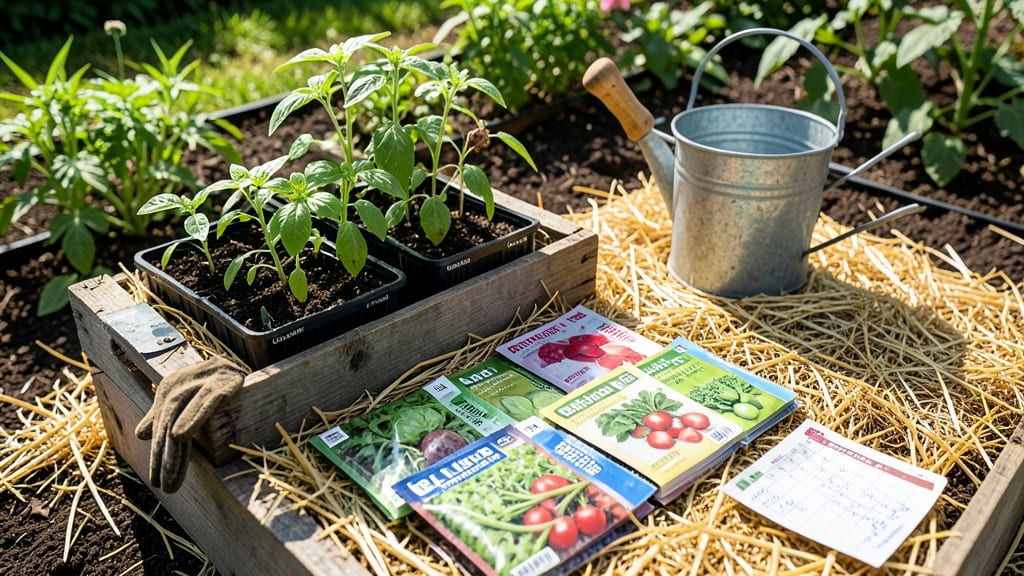
Planting a garden in Kentucky at the right time means the difference between a thriving harvest and a frustrating flop — and the clock starts ticking as soon as the last frost passes.
Kentucky’s mild winters and humid summers create a gardener’s paradise—but planting at the wrong time can mean stunted growth or lost harvests. Whether you’re in USDA Zone 6B or 7A, timing is everything, from cool-season crops like spinach to warm-season favorites like tomatoes.
This guide breaks down the exact windows for your region, including how microclimates (like Louisville’s urban heat or the Appalachian chill) shift the schedule by weeks. No more guessing—just data-driven deadlines to maximize your garden’s potential.
Ready to dig in? You’ll learn when to prep soil, which plants to start indoors, and how to stretch your growing season with row covers—so you can enjoy fresh produce from May through October.
Kentucky planting calendar by season: exact dates for vegetables, herbs & flowers
Kentucky’s USDA Zones 6B and 7A offer a generous growing window, but timing is everything. The average last frost date in Northern Kentucky (Zone 6B) is around April 15, while Central Kentucky (Zone 7A) sees it by March 20.
Plan your garden around these dates to maximize yields and avoid frost damage. Early spring and late summer are your best bets for cool-season crops, while warm-season plants thrive when soil temperatures reach 60°F+.
For cool-season vegetables like spinach, broccoli, and kale, start seeds indoors 6-8 weeks before the last frost. Transplant seedlings into the garden 2-4 weeks before the expected frost date.
Warm-season crops such as tomatoes, peppers, and cucumbers should wait until after May 1 in most of Kentucky, when soil temperatures consistently stay above 55°F. Herbs like basil and cilantro also prefer warm soil, so hold off until late spring.
Perennial flowers like coneflowers and black-eyed Susans can be planted in early spring or fall, while annuals like marigolds and zinnias thrive when seeded directly into the garden after the last frost.
Kentucky’s humid climate means proper spacing and airflow are critical to prevent fungal diseases. Always amend your soil with compost or aged manure before planting to improve drainage and fertility.
Here’s a quick reference for Kentucky’s planting timeline by season:
| Season | Plant Type | When to Plant | Notes |
|---|---|---|---|
| Early Spring (Feb-March) | Cool-Season Veggies | Indoors: 6-8 weeks before last frost Outdoors: 2-4 weeks before last frost |
Spinach, broccoli, kale, peas |
| Late Spring (April-May) | Warm-Season Veggies | After last frost, soil 55°F+ | Tomatoes, peppers, cucumbers, basil |
| Summer (June-July) | Succession Planting | Every 2-3 weeks | Beans, lettuce, radishes, marigolds |
| Fall (August-Sept) | Cool-Season Veggies | 6-8 weeks before first frost | Carrots, beets, Swiss chard, pansies |
| Perennials | Flowers/Shrubs | Early spring or fall | Coneflowers, lavender, daylilies |
In early spring, focus on preparing your soil by adding organic matter like compost or leaf mold. Test your soil’s pH—most vegetables prefer a range of 6.0-7.0. For warm-season crops, use a soil thermometer to confirm temperatures are ideal before transplanting seedlings.
If nighttime temperatures drop below 50°F, use row covers or cold frames to protect tender plants.
Summer planting in Kentucky means succession planting is key. Replace harvested crops like lettuce or radishes with fast-growing varieties every 2-3 weeks to keep your harvests consistent. Mulch heavily to retain moisture and suppress weeds, especially during Kentucky’s hot, humid summers.
Avoid overhead watering in the evening to prevent fungal diseases like powdery mildew.
Fall is your second chance for cool-season crops. Plant 6-8 weeks before the first frost, which typically arrives between October 15 and November 1 in Kentucky. Use low tunnels or cloches to extend the season for leafy greens like spinach and kale.
Perennials planted in fall have time to establish roots before winter dormancy.
Don’t overlook herbs and flowers in your planting schedule. Basil and cilantro thrive in warm soil, while parsley and chives tolerate cooler temperatures. Annual flowers like zinnias and sunflowers can be direct-seeded after the last frost, while perennials like black-eyed Susans benefit from early spring or fall planting.
Always check seed packets for specific Kentucky-friendly varieties.
Pro tip: Keep a gardening journal to track your planting dates and success rates. Note any adjustments you make for your specific microclimate—whether you’re in the Bluegrass region or Appalachian foothills. Over time, you’ll refine your schedule to match your garden’s unique conditions.
How Kentucky’s microclimates affect your planting schedule (and how to adjust)
Kentucky’s diverse geography creates distinct planting zones even within short distances. Northern Kentucky’s Zone 6B typically experiences 2-3 weeks later last frost dates than Louisville’s Zone 7A. This means your neighbor’s tomato harvest might start weeks before yours if you’re just 50 miles north.
Elevation plays a huge role too—higher areas like Eastern Kentucky can have cooler microclimates with earlier frosts, while Louisville’s urban heat island effect can push planting dates 10-14 days earlier for heat-loving crops like peppers and okra.
Here’s how these factors shift your planting timeline—and what you can do to adapt:
For Zone 6B gardeners, focus on late April-May plantings for warm-season crops. Start indoor seeds in early March for transplants, and use black plastic mulch to warm soil faster.
In Zone 7A, you can sow directly outdoors as early as mid-March for spinach and peas, while tomatoes and peppers thrive with March starts indoors.
Don’t overlook microclimate pockets in your yard. A south-facing wall can create a warmer microclimate perfect for herbs and basil, while shaded areas work better for lettuce and kale.
Use these natural variations to extend your growing season by planting heat-lovers in sunny spots and cool-season crops in shade.
Pro tip: Monitor soil temperature—not just air temperature. Warm-season crops need soil at 60°F+ to germinate properly. A simple soil thermometer ($10 at garden centers) will save you from failed plantings due to cold soil.
In Zone 6B, wait until May 10 minimum for tomatoes; in Zone 7A, you can start April 15.
With these adjustments, you’ll maximize your harvest regardless of where you garden in Kentucky. The key is localized timing—not just following a generic calendar. Happy planting! 🌱