
Planting
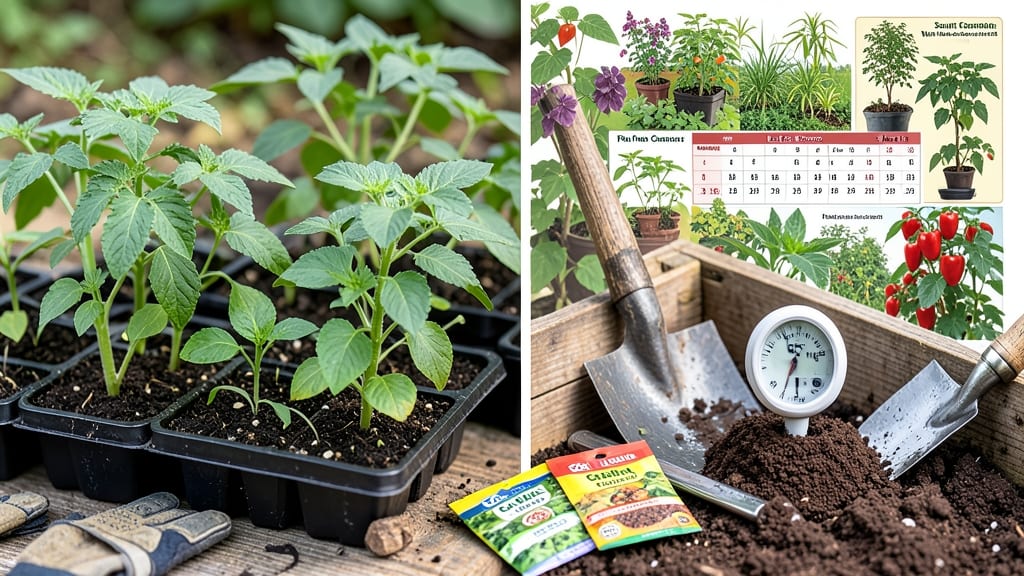
Planting a garden in South Carolina at the right time means the difference between a lush harvest and a sad, wilted disappointment.
South Carolina’s warm climate and long growing season make it a gardener’s paradise—but planting at the wrong time can mean wilted dreams before you even harvest. Timing is everything, and understanding your heat zone is the first step to a thriving 🌱.
Whether you’re in Charleston’s coastal heat or the Piedmont’s slightly cooler hills, the key is knowing when to start seeds indoors, when to transplant seedlings, and which crops thrive in spring’s mild weather versus summer’s scorching days.
Below, I’ll walk you through the perfect planting schedule for your region, from frost dates to heat-tolerant varieties, so you can enjoy a garden that’s perfect from seed to harvest.
South Carolina planting zones & heat maps: when to start seeds vs. transplant
South Carolina spans USDA Hardiness Zones 7a through 8b, with coastal areas like Charleston in Zone 8a and inland cities like Greenville in Zone 7b.
These zones determine when to start seeds indoors versus transplanting seedlings outdoors, balancing last frost dates (typically mid-March to early April) with soil warmth requirements. For example, tomatoes need soil at 60°F+, while broccoli thrives in cooler 50-60°F conditions.
Heat maps reveal another layer: coastal areas (like Charleston) have milder winters but higher humidity, while Piedmont regions (like Columbia) experience wider temperature swings.
This means warm-season crops (peppers, squash) can start earlier in Zone 8a but risk heat stress in July, while cool-season crops (kale, spinach) can extend into late fall in Zone 7b.
Here’s how to navigate these variables with a region-specific planting guide—because your last frost date isn’t just a number; it’s the gateway to your garden’s success.
For warm-season crops (tomatoes, peppers, cucumbers), start seeds indoors 6-8 weeks before your last frost date. In Charleston (Zone 8a), that’s mid-February, while Greenville gardeners (Zone 7a) should wait until mid-March.
Transplant these seedlings outdoors only after soil temperatures exceed 60°F, typically late April to early May.
Conversely, cool-season crops like lettuce, spinach, and broccoli thrive in 50-60°F soil and can handle light frosts. These can be direct-sown as early as February in coastal areas or March in Piedmont regions.
A trick I use? Cover seedlings with frost cloth if nighttime temps dip below 30°F—it buys you 2-3 extra weeks of growing time.
Heat maps also highlight humidity risks: Coastal gardens suffer from fungal diseases (like powdery mildew) in summer, while inland areas face drought stress. Mulching with straw or pine needles helps retain moisture in both cases.
For example, okra (a heat-loving crop) bolts in 90°F+ temps, so I plant it in late May to avoid summer’s peak.
Greenville’s Zone 7a gardeners have the shortest growing season, so I recommend focusing on fast-maturing varieties like bush beans (50 days) or radishes (25 days). In Charleston’s Zone 8a, you can grow year-round greens like collards or kale with minimal frost protection.
The key? Match your crop to your microclimate—not just your USDA zone.
Pro tip: Use a soil thermometer to confirm readiness. Warm-season crops need 60°F+ soil, while cool-season crops tolerate 45-55°F. If your soil is too cold, seedlings will rot—a common mistake in March plantings.
I’ve lost three batches of basil this way! To avoid it, warm soil with black plastic mulch 1-2 weeks before transplanting.
Don’t overlook fall planting—it’s when SC
Best month-by-month planting schedule for South Carolina gardens
South Carolina’s long growing season and mild winters give gardeners a unique advantage, but knowing exactly when to plant each crop is key to success. Coastal areas like Charleston stay warmer longer, while Piedmont regions experience cooler nights—both require tailored timing for optimal yields.
Let’s break down the best planting schedule month by month, so you can enjoy fresh vegetables, flowers, and herbs all year round.
For coastal SC, start warm-season crops like tomatoes and peppers in early March, while Piedmont gardeners should wait until mid-April when soil temperatures rise. Cool-season crops like broccoli and spinach thrive in fall, but timing varies by region.
Below, I’ll share my proven monthly schedule with adjustments for both zones to help you avoid common mistakes like frost damage or heat stress.
🌱 Month-by-Month Planting Highlights for SC Gardens
- February-March: Start cool-season seeds indoors (lettuce, kale) and prep soil with compost. Coastal areas can plant hardy greens outdoors by late February.
- April: Transplant tomatoes, peppers, and basil after last frost (Piedmont: mid-April; Coastal: early April). Direct-sow beans and cucumbers when soil reaches 60°F.
- May-June: Plant squash, corn, and melons after soil warms. Mulch heavily to retain moisture during summer heat.
- July-August: Focus on succession planting (lettuce, radishes) for fall harvests. Coastal gardeners can extend summer crops with shade cloth.
- September-October: Plant broccoli, cabbage, and carrots for fall/winter harvests. Protect with row covers if frost threatens.
- November-December: Sow winter radishes and spinach in Piedmont. Coastal areas can grow cool-season herbs (parsley, cilantro) year-round.
In April, prioritize transplanting warm-season staples like tomatoes and peppers, which need consistent warmth to thrive. Coastal gardeners can plant earlier, but Piedmont areas should wait until nighttime temperatures stay above 50°F. Use black plastic mulch to warm soil faster and deter weeds.
For herbs like basil and cilantro, direct-sow after the last frost, but be ready to move basil indoors if summer heat arrives early.
June through August is all about heat tolerance. Choose drought-resistant varieties like okra and sweet potatoes, and water deeply in the morning to prevent fungal diseases.
Coastal areas may need afternoon shade for delicate crops like lettuce. Succession planting every 2-3 weeks ensures a continuous harvest of beans, cucumbers, and zucchini. Don’t forget to fertilize with low-nitrogen feed to avoid leafy growth at the expense of fruit production.
Fall planting in September and October is my favorite time in the SC garden—cooler temps mean fewer pests and healthier greens. Plant broccoli, Brussels sprouts, and kale 6-8 weeks before the first frost (typically mid-November in Piedmont, later in coastal areas).
Use row covers to extend the season and protect tender crops like spinach. For herbs, parsley and chives thrive in fall’s mild weather, while cilantro bolts quickly in summer heat.
Even in winter, SC gardeners can enjoy fresh harvests. Plant winter radishes, spinach, and arugula in November for early spring greens. Coastal areas can grow cool-season crops year-round with minimal frost risk.
Mulch heavily to insulate roots, and consider a cold frame for delicate herbs like dill. By planning ahead, you’ll have a garden that stays productive even in the chillier months.
Remember, local microclimates matter. A hilltop in Greenville may frost earlier than a lowland in Charleston, so adjust planting dates accordingly. Keep a garden journal to track what works best in your specific spot—this will help you refine your schedule each year for even better results.
With this schedule, you’ll be harvesting fresh produce from spring to winter, no matter where you garden in South Carolina.