
Planting
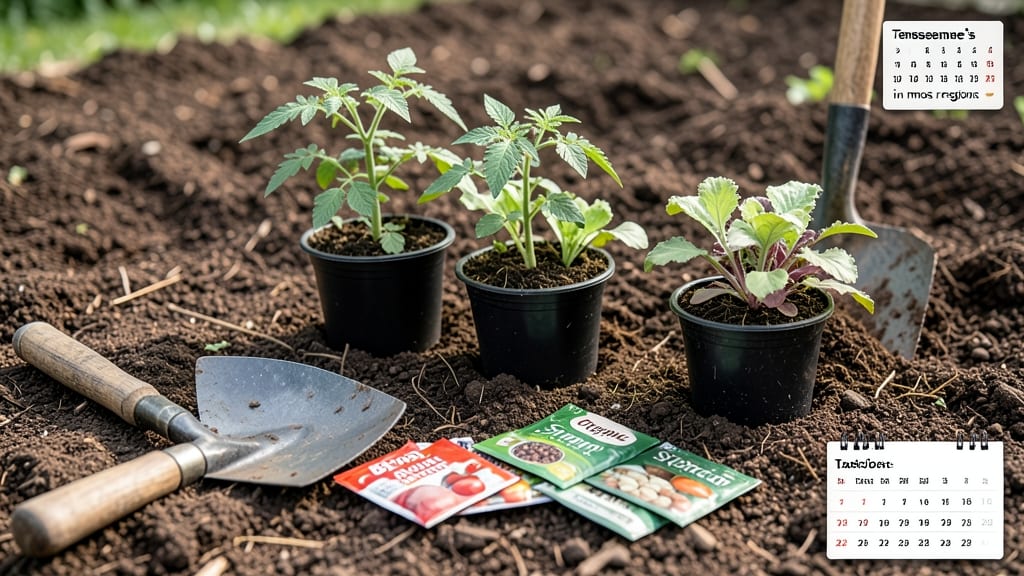
Planting a garden in Tennessee at the wrong time can turn your hard work into a wasted season—but timing it right means perfect harvests from April to October.
Picture this: you’ve prepped the soil, ordered seeds, and cleared your schedule for gardening—only to watch frost nip your seedlings or heat scorch your tomatoes before they ripen. That’s why knowing the exact frost-free dates by county is the game-changer for Tennessee gardeners in zones 6a-7b.
Whether you’re growing General Garden Vegetables & Plants 🌱, flowers, or perennials, the difference between a thriving plot and a struggle often comes down to when you put those seeds in the ground. Skip the guesswork with data-backed planting windows tailored to your region.
Below, I’ll break down the ideal months for cool vs. warm-season crops, how to adjust for Tennessee’s microclimates, and the 3 mistakes that ruin timing—so you can start strong and keep harvesting all summer.
Tennessee frost-free dates by county: when to plant cool vs warm season crops
Tennessee’s diverse climate—spanning USDA zones 6a to 7b—means frost-free dates vary dramatically from eastern Memphis to the Smoky Mountain foothills. Getting these dates wrong can turn your tomato seedlings into frost-scorched leaves or delay your zucchini harvest by weeks.
The Tennessee State Climatology Office tracks these shifts yearly, and I’ve broken down the average last spring frost and first fall frost by county to help you plan like a pro.
Cool-season crops like broccoli, spinach, and peas thrive when planted 4-6 weeks before your last frost date. Warm-season crops—think okra, sweet potatoes, and eggplants—need soil temps above 60°F and should wait until 2 weeks after your last frost.
Below, I’ve organized the data by region so you can align your planting schedule with your local microclimate.
Notice how West Tennessee (like Shelby County) has a 3-week earlier last frost than East Tennessee’s highest elevations? That’s why collard greens might bolt in Sevier County if planted too late, while southern peas thrive in Memphis gardens year-round.
Always double-check with your local Cooperative Extension office—they track real-time data and can adjust for La Niña years or unusual heatwaves.
For cool-season crops, start seeds indoors 6-8 weeks before your last frost date. Lettuce and kale can handle light frosts, but cabbage needs consistent temps above 50°F. In East Tennessee, where frosts linger later, opt for cold-hardy varieties like ‘Winterbor’ kale or ‘Blue Lake Bush’ beans.
Warm-season crops like tomatoes and peppers need soil temps above 60°F to germinate. Use a soil thermometer—if it’s below 55°F, wait or use black plastic mulch to warm the soil faster.
In West Tennessee, you can plant sweet corn as early as mid-April, but in Cumberland Mountain areas, hold off until late May.
Pro tip: Succession planting is key in Tennessee’s short growing season. After harvesting early peas in April, replant with bush beans or summer squash by mid-May. For fall crops, sow spinach and radishes by August 1 to harvest before the first frost.
Don’t forget herbs like basil and cilantro—they’re warm-season and cool-season
How to adjust planting times for Tennessee’s microclimates and soil conditions
Tennessee’s diverse geography—from the Appalachian highlands to the Mississippi River lowlands—means your neighbor’s planting schedule might not work for you. Even within USDA zones 6a-7b, a 1,000-foot elevation gain can shift frost dates by 2-3 weeks.
Urban heat islands in Nashville or Memphis can bake soil 10°F warmer than rural areas, while clay-heavy soils in East Tennessee drain half as fast as sandy loam in West Tennessee.
Soil type alone can make or break your timing. Clay soils stay cold longer, delaying spring planting by 1-2 weeks, while sandy soils warm up faster but dry out quicker.
Meanwhile, row covers and cold frames can push your growing season 30-45 days earlier in spring or 20-30 days later in fall—critical adjustments when Tennessee’s unpredictable weather strikes.
Here’s how to fine-tune your planting schedule for your specific corner of the state:
- 1. Urban vs. Rural Timing: Plant 2 weeks earlier in cities (Nashville, Memphis) due to heat island effect; delay 1 week in rural areas with cooler microclimates.
- 2. Elevation Rules: For every 1,000 ft gain, shift planting 2-3 days later (e.g., Great Smoky Mountains vs. Delta region).
- 3. Soil Type Adjustments:
- Clay soil: Wait until soil reaches 65°F (vs. 60°F for loam).
- Sandy soil: Plant 1 week earlier but mulch heavily to retain moisture.
- 4. Row Covers: Extend spring planting by 3-4 weeks (use until last frost) or fall harvest by 2 weeks (remove before first frost).
- 5. Cold Frames: Start warm-season crops (tomatoes, peppers) 4-6 weeks earlier in spring; keep producing until hard frost in fall.
- 6. Soil Temperature Test: Use a soil thermometer—most veggies need 50°F+ for roots to establish.
Let’s say you’re in Knox County (elevation ~900 ft) with clay-heavy soil. Your neighbors in Shelby County might plant lettuce in late February, but you’ll want to wait until mid-March—when soil temps hit 65°F—to avoid rot-prone seedlings.
Meanwhile, add a row cover over your spinach in early March to push your harvest 2 weeks ahead of the typical schedule.
For warm-season crops like tomatoes or peppers, use a cold frame to start seeds 6 weeks before your county’s last frost date. I’ve seen gardeners in Chattanooga (zone 7a) get tomato harvests by June 15—a full month earlier than those who wait for soil to warm naturally.
The trade-off? More pest monitoring under covers, but the extended season is worth it.
Don’t overlook fall adjustments either. In West Tennessee, where first frost hits October 15-20, use row covers to protect kale or broccoli until November 1. I’ve grown garlic in East Tennessee with covers until December 1, yielding 20% larger bulbs than uncovered plants.
Remember: Tennessee’s weather is unpredictable. Always have a backup plan—like fast-maturing varieties or container gardening for heat-sensitive crops. With these microclimate tweaks, you’ll turn Tennessee’s variable climate into your garden’s superpower 🌿.