
Planting
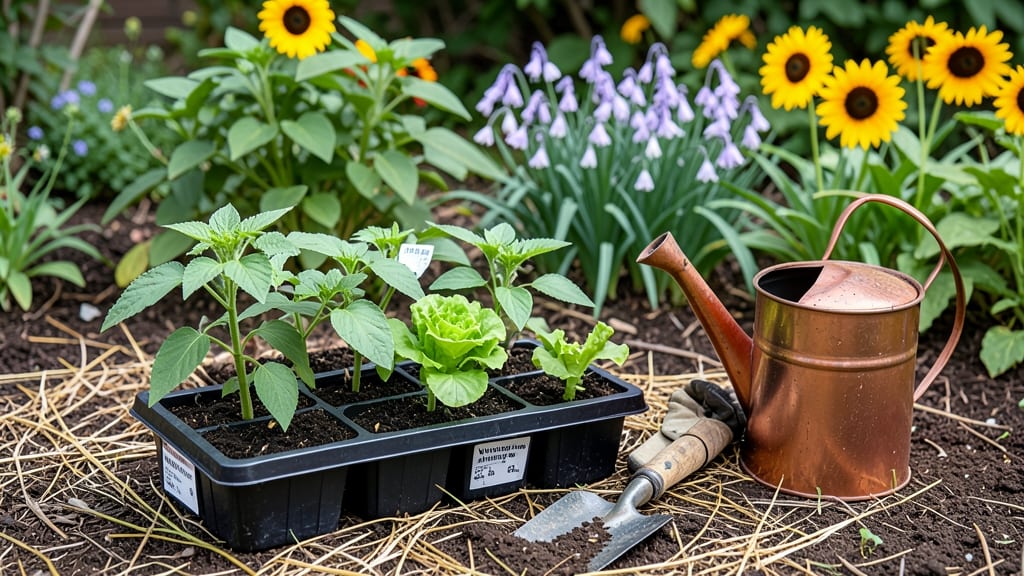
Planting a garden in Virginia at the right time means the difference between a thriving harvest and a sad, wilted disappointment.
Virginia’s diverse climate—spanning USDA Zones 5 through 8—means your garden’s success hinges on planting at the perfect time. Get it wrong, and you risk stunted growth, pests, or wasted seeds. But master these zone-specific deadlines, and you’ll harvest bountiful tomatoes, crisp greens, and thriving perennials all season long.
Whether you’re in the cooler mountains of Zone 5 or the warmer coastal areas of Zone 8, timing is everything. Too early, and a late frost will take out your seedlings. Too late, and the summer heat will leave you scrambling for shade-loving crops.
Below, I’ll break down the exact windows for cool-season crops like spinach and broccoli, warm-season favorites like peppers and cucumbers, and even perennials that need just the right moment to root. Ready to set your garden up for the best yields?
Virginia planting calendar by USDA Zone: exact dates for vegetables, flowers, and herbs
Virginia’s varied climate—from the cool mountain highlands to the humid coastal plains—means planting times vary dramatically. Whether you’re in Zone 5a (like the Shenandoah Valley) or Zone 8a (Tidewater), timing is everything.
Miss the window, and your tomatoes might bolt or your broccoli could freeze. But nail these dates, and you’ll enjoy a garden that thrives all season.
First, know your average last frost date: Zone 5a (March 20–April 5), Zone 6a (April 1–15), Zone 7a (April 15–May 1), and Zone 8a (May 1–15). Coastal areas often warm 2–3 weeks earlier than inland zones, while mountain slopes can lag by 1–2 weeks. Adjust accordingly!
Here’s your zone-by-zone planting guide, broken down by cool-season crops, warm-season staples, and perennial windows. Use this as your cheat sheet to avoid common mistakes like planting peppers too early or spinach too late.
| Zone | Plant Type | Planting Window | Key Notes |
|---|---|---|---|
| 5a (Shenandoah, Blue Ridge) | Cool-Season Veggies (Spinach, Kale, Broccoli) |
March 15–April 15 OR August 15–September 15 |
Start seeds indoors by Feb 1. Use row covers for late frosts. |
| 5a | Warm-Season Veggies (Tomatoes, Peppers, Cucumbers) |
May 1–June 15 | Wait until soil hits 60°F. Transplant after last frost. |
| 6a (Piedmont, Roanoke) | Cool-Season Veggies | March 1–April 10 OR August 1–September 10 |
Direct-sow hardy greens by early March. Lettuce bolts in heat. |
| 6a | Warm-Season Veggies | April 15–May 30 | Use black plastic mulch to warm soil faster in cooler microclimates. |
| 7a (Richmond, Charlottesville) | Cool-Season Veggies | February 15–March 30 OR July 15–August 30 |
Fall crops thrive longer here. Radishes mature in 25 days—ideal for succession. |
| 7a | Warm-Season Veggies | April 1–June 1 | Eggplant needs 90+ days—plant early varieties like ‘Black Beauty’. |
| 8a (Coastal, Norfolk) | Cool-Season Veggies | January 15–March 15 OR July 1–September 1 |
Humidity speeds up bolting. Choose heat-tolerant varieties like ‘Florida Broadleaf’ spinach. |
| 8a | Warm-Season Veggies | March 1–May 15 | Longer growing season! Try year-round tomatoes with drip irrigation. |
| All Zones | Perennials & Herbs (Lavender, Asparagus, Basil) |
Spring (March–April) OR Fall (Sept–Oct) |
Asparagus crowns need 2 years to establish. Plant in well-drained soil. |
For mountainous areas (e.g., Zone 5a/6a in the Appalachians), add 1–2 weeks to spring planting dates due to colder microclimates. Coastal Zone 8a gardeners can start
How to adjust planting times for Virginia’s unpredictable weather patterns
Virginia’s weather can throw curveballs—one week brings late spring frosts, the next hits 90°F heatwaves before Memorial Day. These swings make timing critical. I’ve learned to adjust planting schedules using soil thermometers and microclimate observations to protect tender seedlings like tomatoes and peppers from frost damage or heat stress.
Start by checking your last frost dates—they vary wildly across Virginia’s zones. For example, Zone 5a (like the Shenandoah Valley) may see frost until May 15, while Zone 7a (Richmond) typically warms up by April 1.
Use these dates as a baseline, but always verify with local weather reports.
🌱 Late Frost Warning
Never plant warm-season crops (like cucumbers or beans) before soil reaches 60°F. Use row covers or cold frames to extend your growing window in Zones 5–6. For example, I’ve successfully grown lettuce in March by covering it with floating row covers until mid-April.
For succession planting, stagger seeds every 2 weeks to ensure a continuous harvest. For instance, sow bush beans on May 1, May 15, and June 1 to enjoy fresh pods all summer.
This strategy works especially well in Zone 6a, where summer heat can quickly overwhelm plants.
Swap heat-sensitive varieties for heat-tolerant ones when temperatures climb. For example, replace regular tomatoes with ‘Heatmaster’ or ‘Solar Fire’ varieties, which thrive in 90°F+ conditions. I’ve also had success with ‘Black Seeded Simpson’ lettuce, which bolts less quickly in Virginia’s humidity.
Extend seasons with low tunnels or cold frames to protect early plantings. These tools add 4–6°F of warmth, letting you plant spinach or kale as early as February in Zone 7a. Just ensure proper ventilation to avoid fungal diseases from trapped moisture.
Monitor humidity levels—Virginia’s muggy summers can lead to powdery mildew or blossom-end rot in tomatoes. Space plants 12–18 inches apart for airflow, and mulch with straw to retain moisture without suffocating roots. My pepper plants thrive when mulched this way, even during July heatwaves.