
Planting
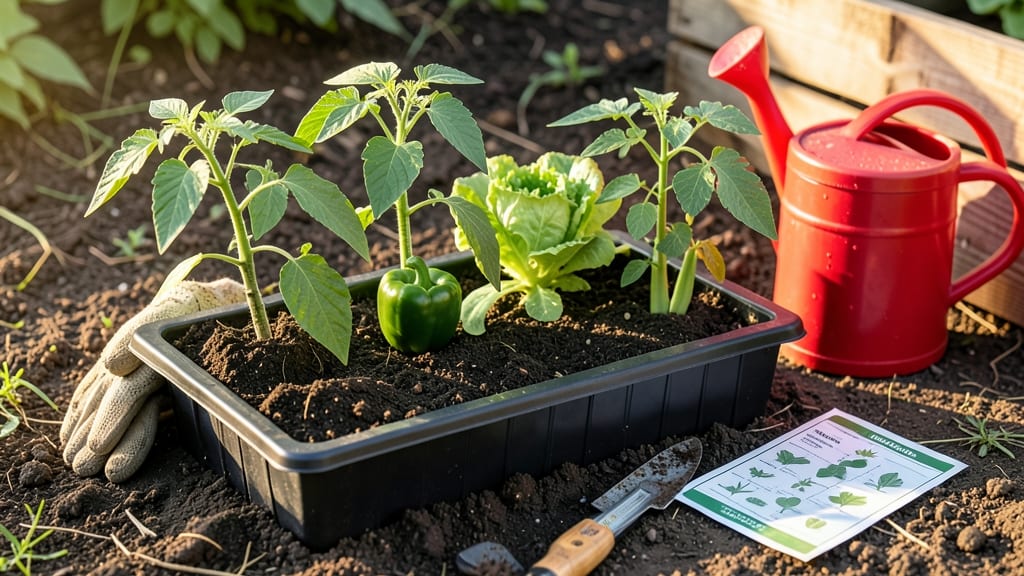
Planting a vegetable garden in Missouri at the right time means the difference between a bountiful harvest and a sad, frost-nipped disappointment 🥕.
Missouri’s unpredictable spring weather can make or break your vegetable garden—planting too early risks frost damage, while waiting too long shortens your growing season. Follow this zone-specific guide to align your planting schedule with Missouri’s climate for bumper harvests.
Cool-season crops like spinach and peas thrive when planted 4-6 weeks before your last expected frost, while warm-season favorites such as tomatoes and peppers need to wait until 2-3 weeks after the frost-free date.
With Missouri’s USDA zones ranging from 5b to 7a, timing varies dramatically from St. Louis to Kansas City to rural areas.
Below, I break down the exact planting windows for your region, including critical frost alerts, succession planting tips, and microclimate adjustments to maximize your garden’s potential.
Missouri planting zones & best months for vegetable crops by hardiness
Missouri spans USDA hardiness zones 5b through 7a, meaning last frost dates can vary by 2-3 weeks between northern and southern regions. For example, St. Louis (Zone 6b) typically sees its last frost around April 15, while Southeast Missouri (Zone 7a) may be frost-free by March 20.
These differences dramatically impact when to plant your cool-season vs. warm-season crops.
Cool-season vegetables like spinach, peas, and lettuce thrive in cooler temperatures (40-70°F) and should be planted 4-6 weeks before your last frost date. Meanwhile, warm-season crops (tomatoes, peppers, cucumbers) need soil temperatures above 60°F and should wait until 2-3 weeks after your last frost.
Let’s break down the best planting windows for each zone.
Pro Tip: Use Missouri University Extension’s frost date maps (available online) to pinpoint your exact last frost date, then adjust planting windows accordingly. For most Missouri gardeners, this means starting cool crops in March and planting warm crops in May or June.
In Zone 5b (northern Missouri), where frosts can linger until early May, I recommend starting cool crops indoors in late February and hardening off seedlings by mid-March.
For Zone 7a (southern Missouri), you can plant warm-season crops like tomatoes as early as April 15 if you’re using black plastic mulch to warm the soil faster.
One of my biggest mistakes early on was planting tomato seedlings too soon in Zone 6a. They stunted due to cool soil temperatures, and I lost an entire batch.
Now, I wait until soil temps reach 65°F—usually mid-May in central Missouri—before transplanting warm-season crops. A soil thermometer is a game-changer for this!
For cool-season crops, I’ve found that succession planting every 2 weeks from March through May ensures a continuous harvest of lettuce and spinach.
For example, in Zone 6b (St. Louis), I plant lettuce on March 1, March 15, and April 1 to stretch the harvest window until early June before the heat sets in.
If you’re in Zone 7a, you can even plant a fall garden of cool-season crops like kale and broccoli in late July or early August. These crops thrive in cooler fall temperatures and can be harvested well into November or December, depending on your first frost date.
Remember, Missouri’s weather is unpredictable, so always have row covers or cold frames on hand to protect young plants from unexpected late frosts. I keep a frost watch calendar from the National Weather Service handy to adjust my planting schedule as needed.
Finally, don’t forget to plan for both spring and fall planting. In Zone 6a, I plant peas in early March for a spring harvest and spinach in late August for a fall harvest. This double-cropping strategy maximizes my garden’s productivity year-round.
Critical planting timeline for Missouri’s top 10 vegetables (with frost alerts)
Missouri’s last frost dates typically range from mid-April in rural areas to late April in cities, creating a narrow window for warm-season crops. To maximize your harvest, I’ve mapped out the ideal planting times for Missouri’s top 10 vegetables, including frost-sensitive varieties like tomatoes and peppers.
For cool-season crops, start seeds indoors or outdoors 4-6 weeks before your last frost date. Warm-season crops, however, need to wait until 2-3 weeks after the frost-free date to thrive. Below, I outline the exact months and succession planting tips to keep your garden productive all season.
Missouri’s first frost usually arrives in mid-October, but urban areas like St. Louis may experience frost 1-2 weeks earlier. Use frost cloths or cold frames to protect tender crops like basil and peppers until early November.
For succession planting, repeat sowings every 2-3 weeks for crops like lettuce, beans, and radishes. This ensures a continuous harvest and prevents waste. Always check Missouri Botanical Garden’s frost maps for your specific county to fine-tune timing.
Pro tip: Mark your planting dates on a garden calendar and adjust for microclimates. South-facing beds warm up faster, while shaded areas may need earlier starts for warm-season crops.