
Planting
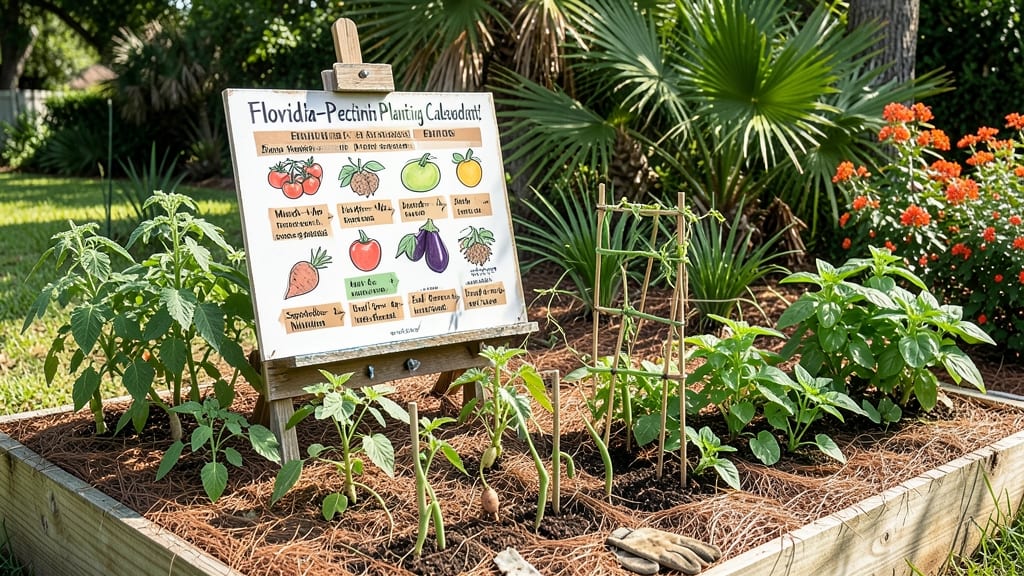
Planting a garden in Florida means you can grow year-round—but timing your spring and fall crops to the 11 zones keeps pests, heat stress, and wasted effort at bay.
Here’s the catch: North Florida’s cool-season crops (like lettuce and broccoli) need to hit the soil by late summer, while South Florida’s citrus and tomatoes thrive when planted in early spring before the real heat arrives.
Miss these deadlines, and you’re either battling fungal diseases in soggy soil or watching seedlings bolt in the sun. Below, I’ll break down the exact months for your region, plus soil prep tricks to outsmart Florida’s humidity and sand.
Ready to stop guessing? You’ll walk away with a zone-specific planting calendar, watering hacks for the rainy season, and the one mulch type that saves 90% of your plants from wilting by noon.
Florida planting zones: when to start seeds vs. transplanting vegetables
Florida’s 11 USDA planting zones (8A-10A) create dramatic differences in microclimates—from cool North Florida where frost still lingers to tropical South Florida with year-round growing potential. Unlike northern states, Florida’s warm-season crops dominate, but cool-season greens thrive in winter only in cooler zones.
Timing matters because seed-starting indoors gives you a 4-6 week head start, while transplanting must align with soil temperatures. In Zone 8A (Pensacola), you’ll avoid frost risks by planting tomatoes in March, while Zone 10A (Miami) can grow eggplant year-round.
Here’s your zone-by-zone guide to when to start seeds vs. transplanting for vegetables, herbs, and flowers, including frost-free adjustments and soil temperature thresholds.
For Zone 8A, cool-season crops like broccoli and kale must go in by August to mature before summer heat sets in. Meanwhile, tomatoes and peppers can’t tolerate chilly soils—wait until soil temps hit 65°F (use a soil thermometer!) before transplanting in March-April.
In Zone 10A, you can direct-sow seeds year-round for warm-season crops like okra and sweet potatoes, but cool-season greens still need December-January planting to avoid bolting. The key? Succession planting every 2-3 weeks keeps harvests continuous.
Herbs like basil and cilantro are tricky—basil thrives in heat (plant after last frost) while cilantro bolts in summer (grow in fall/winter only in cooler zones). Florida-friendly flowers like marigolds and zinnias can be direct-sown after March 15 in most zones.
Pro tip: Use shade cloth in Zone 10A during peak summer to protect cool-season starts from overheating. In Zone 8A, row covers can extend the growing season for fall greens until November.
Always check UF/IFAS Extension’s frost maps for your exact location—microclimates (like urban heat islands) can shift planting windows by 2-4 weeks. For example, Jacksonville (Zone 8B) might be 10°F warmer than nearby rural areas.
Remember: Soil temperature > air temperature. Use a moisture meter to confirm 60°F+ for cool-season crops and 70°F+ for warm-season crops before planting. Mulch with straw or black plastic to warm soils faster in spring.
🌱
Best months to plant specific Florida crops: A seasonal guide
Florida’s year-round growing season means you can plant almost anything—but timing matters more than you think. The wrong month for tomatoes or squash can mean stunted growth, pest invasions, or even total crop failure.
I’ve grown these crops for years in North and South Florida, and I’ll share the exact windows that work best for your region.
For example, cool-season greens like lettuce and spinach need to go in the ground by August in North Florida to avoid bolting in the heat, while citrus trees in South Florida thrive when planted in early spring before the summer rains.
Let’s break it down by month so you can plan your garden like a pro.
📅 Florida Planting Calendar by Month
- 1 January-February: Plant cool-season crops (lettuce, broccoli, carrots) in North Florida. Start citrus trees and onions in South Florida.
- 2 March-April: Transplant tomatoes, peppers, and squash after last frost risk. Succession plant beans and cucumbers every 2 weeks for continuous harvests.
- 3 May-June: Plant heat-tolerant crops like okra, sweet potatoes, and southern peas. Avoid planting cool-season greens—they’ll bolt in the heat.
- 4 July-August: Prepare for fall crops by planting seedlings of lettuce, cabbage, and kale in shaded areas. Mulch heavily to retain moisture.
- 5 September-October: Plant winter squash, turnips, and radishes for fall harvests. Start herbs like cilantro and dill in containers for indoor overwintering.
- 6 November-December: Focus on perennials and citrus. Plant garlic in North Florida for spring harvests. Mulch tomato plants to protect from light frosts.
Pro tip: Use succession planting to extend harvests. For example, plant bush beans every 2 weeks from March to August to keep picking fresh pods all season. This works for lettuce, radishes, and carrots too—just stagger your plantings by 2-3 weeks.
Another key is avoiding peak pest seasons. For instance, tomato hornworms explode in June and July, so if you plant tomatoes too late, you’ll spend more time picking off pests than harvesting fruit. Aim for early spring plantings instead.
Finally, don’t forget that South Florida’s microclimate lets you grow tropical crops like pineapples and papayas year-round, while North Florida gardeners need to treat winter as a cool-season growing window. Adjust your schedule based on your USDA zone—8A in the Panhandle or 10A in the Keys.
With this schedule, you’ll enjoy continuous harvests without the stress of last-minute planting. Happy gardening! 🌱