
Planting
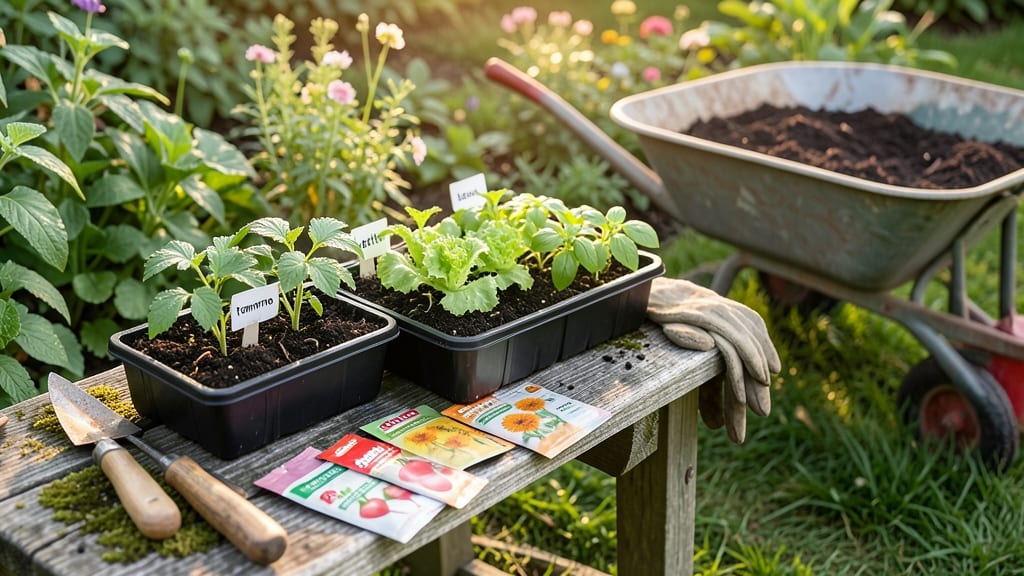
Planting a garden in Michigan means timing is everything—get it wrong, and your hard work could vanish overnight with a late frost or bolt into seed before you harvest.
Michigan’s short growing season demands precision—plant too early and risk frost damage; too late, and your harvest suffers. This guide reveals the exact planting windows for Zone 4B, from frost dates to crop-specific timelines, so you maximize yields without guesswork.
We’ll break down the best months for cool-season crops like spinach and peas (plant them 4-6 weeks before your last frost) versus warm-season favorites like tomatoes and peppers (wait until soil warms to 50°F).
Whether you’re starting seeds indoors or sowing directly, you’ll learn how to stretch your season with row covers, succession planting, and heat-tolerant varieties—so you’re harvesting fresh veggies from June through October.
Michigan Zone 4B frost dates and critical planting windows by month
Michigan’s Zone 4B growing season hinges on precise timing—miss the last frost window (typically April 15–May 15), and tender seedlings perish. Conversely, planting warm-season crops too late risks stunted growth before the first frost (usually Sept 20–Oct 15).
Understanding these dates transforms guesswork into a thriving harvest. Below, I break down month-by-month planting windows for cool-season and warm-season crops, including heat-tolerant exceptions like sweet potatoes that defy Michigan’s short season.
For cool-season crops, start 4–6 weeks before your last frost—think kale, spinach, and peas. These hardy plants tolerate light frosts and even thrive in March under row covers.
Meanwhile, warm-season crops like tomatoes and peppers demand soil temperatures above 55°F, making late May the earliest safe bet. Pro tip: Use a soil thermometer to confirm readiness—cold soil stunts growth regardless of air temperature.
Here’s the non-negotiable timeline for Michigan’s Zone 4B gardeners, tailored to your region’s frost risks and crop needs:
For warm-season crops, timing is everything. For example, tomatoes planted after May 20 may not ripen before frost, while sweet potatoes—a heat-loving exception—can handle late starts if soil stays warm. I’ve planted Malabar spinach in July with success; its tropical resilience makes it a Michigan garden hero.
Always check your local frost dates (they vary by 1–2 weeks across the state), and consider succession planting for crops like beans or lettuce to stretch your harvest.
Don’t overlook fall planting, which can yield just as bountifully as spring. Garlic and onions planted in October overwinter and produce early summer harvests. Even kale sweeten after frost, making it a cool-season superstar. To protect tender fall crops, use row covers or low tunnels—these
Best crops to plant in Michigan by season: fastest-growing to longest-maturing
Michigan’s 150-day growing season means timing is everything. Some crops like radishes and bush beans mature in just 30-50 days, while others like tomatoes and squash need 80+ days.
By aligning your planting schedule with these timelines, you’ll avoid wasting precious weeks on slow starters or losing crops to early frost. I’ve organized this list from fastest to longest maturing, with precise spring and fall planting windows tailored to Michigan’s Zone 4B climate.
For spring planting, start with cool-season crops like lettuce and peas in early April (4-6 weeks before last frost), then transition to warm-season plants like peppers and eggplants after May 15. Fall planting begins in early September for fast-maturing varieties that can tolerate light frosts.
The key is to calculate backward from your first frost date—typically around October 15—to ensure harvests happen before temperatures drop below 32°F.
Fastest-Growing (30-50 Days)
Plant radishes (25 days), bush beans (50 days), and spinach (40 days) from April 15–May 1 (spring) or August 15–September 1 (fall). These thrive in cool soil and can be harvested before summer heat sets in.
Quick Harvest (50-70 Days)
Sow lettuce (50 days), kale (60 days), and zucchini (50 days) by May 1–June 1 for summer harvests. For fall, plant turnips (60 days) and carrots (70 days) by July 15–August 1 to avoid bolting.
Mid-Season (70-90 Days)
Transplant tomatoes (80 days) and peppers (75 days) after May 15 using row covers for early starts. For fall, opt for cabbage (90 days) and broccoli (80 days), planting by July 1 for late-September harvests.
Longest-Maturing (90+ Days)
Save sweet corn (90 days) and squash (100 days) for June 1–July 1 planting. For fall, try garlic (120 days) planted in October for next summer’s harvest. Use black plastic mulch to warm soil for these heat-lovers.
Pro tip: Use succession planting for fast growers like lettuce and radishes—sow new seeds every 2 weeks to ensure a continuous harvest. For example, if you plant radishes every 14 days starting April 15, you’ll have fresh roots ready by June 1 without gaps.
This strategy works especially well for greens and root vegetables that bolt in heat.
Don’t overlook herbs like basil (60 days) and cilantro (50 days), which thrive in Michigan’s summer. Plant basil after May 15 in well-draining soil and harvest leaves regularly to encourage bushier growth. Cilantro, however, bolts quickly—sow it in early spring or late summer for the best results.
For flowers, marigolds (60 days) and zinnias (70 days) add color while repelling pests; plant them after May 15 for summer blooms.
Remember: Michigan’s variable weather means flexibility is key. If a late frost threatens, protect tender seedlings with frost blankets or move pots indoors temporarily. For fall crops, monitor soil temperatures—once they drop below 50°F, growth slows dramatically.
By mastering these timelines, you’ll turn Michigan’s challenges into a bountiful, year-round harvest.