
Planting
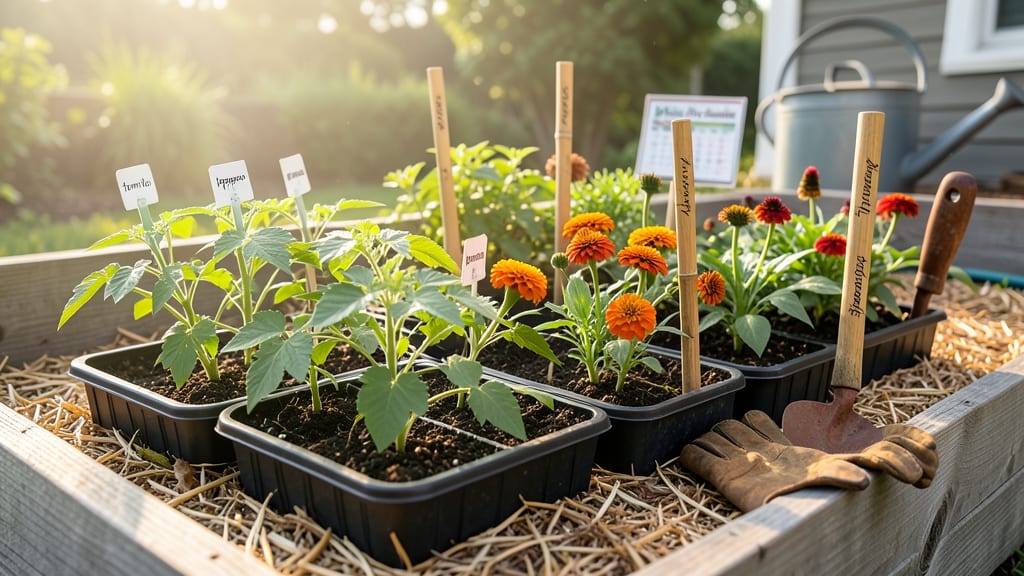
Planting your garden in Missouri at the right time means the difference between a bountiful harvest and a season of disappointment.
Missouri’s unpredictable spring weather can turn gardening dreams into guesswork—but timing your plantings correctly means the difference between a thriving harvest and a failed season.
With USDA zones ranging from 5a to 7a, knowing when to start seeds indoors and when to transplant outdoors is key. Whether you’re in St. Louis, Kansas City, or Springfield, getting the timing right ensures your cool-season crops thrive in spring and your warm-season plants take off in summer.
In this guide, I’ll break down the best planting windows by zone, share frost-date tricks, and help you avoid common mistakes—so you can enjoy the best possible garden all season long.
Missouri planting zones: when to start seeds and transplant vegetables
Missouri spans USDA Hardiness Zones 5a through 7a, creating distinct planting windows across the state. Whether you're in cool northern regions like St. Joseph (Zone 5a) or warmer southern areas like Poplar Bluff (Zone 7a), understanding your zone helps you avoid frost damage and maximize yields.
The key difference? Northern Missouri has 2-3 weeks earlier frost dates than the south, meaning your planting schedule should shift accordingly.
For most Missouri gardeners, cool-season crops like lettuce and spinach should start 4-6 weeks before your last expected frost date, while warm-season crops like tomatoes and peppers need to wait until soil temperatures hit 60°F (15°C).
Urban areas often experience microclimates with 2-5°F warmer temperatures than rural zones, so adjust your timing if you're gardening in the city.
Here's the critical data you need: Northern Missouri (Zones 5a-6a) typically sees last frost dates between April 15 and May 1, while Southern Missouri (Zones 6b-7a) averages March 15 to April 15.
First fall frosts range from October 15 in the north to November 15 in the south. These dates determine when to plant direct-sown seeds vs. transplants for optimal success.
For cool-season crops like broccoli, cabbage, and spinach, I recommend starting seeds indoors 4-6 weeks before your last frost date. In Zone 5a, that means mid-March to early April, while Zone 7a gardeners can begin as early as late January.
Transplant these seedlings outdoors 2-3 weeks before your last frost to give them time to establish roots before cold snaps.
Warm-season crops like tomatoes, peppers, and squash require soil temperatures above 60°F (15°C). In northern Missouri, this typically means waiting until mid-May, while southern regions can plant by early April.
Always use a soil thermometer to confirm readiness—cool soil will stunt growth, even if air temperatures seem warm.
Missouri's fall planting window is often overlooked but crucial for a second harvest. In Zone 5a, you can plant cool-season crops like kale and radishes until mid-September, while Zone 7a allows planting until early November
Best vegetables to plant by month in Missouri (with frost dates)
Missouri gardeners know timing is everything—especially when spring frost can wipe out tender seedlings overnight. The average last frost date in Missouri ranges from mid-April in southern zones to late April in northern areas, while the first frost typically arrives between mid-October and early November.
Planning around these dates ensures your tomatoes, peppers, and greens thrive.
For cool-season crops like lettuce, spinach, and peas, start seeds indoors 6-8 weeks before your last frost or sow directly in early spring. Warm-season favorites such as tomatoes and peppers need soil temperatures above 60°F—wait until after Memorial Day in most regions to plant them outdoors.
Below is your month-by-month planting guide, including succession planting tips for nonstop harvests.
Missouri’s summer heat can be brutal, but succession planting keeps your garden productive. For example, sow radishes every 2 weeks from spring to fall—they mature in just 30 days!
For tomatoes and peppers, opt for heat-tolerant varieties like 'Celebrity' tomatoes or 'Jupiter' peppers to extend your harvest into September.
Don’t forget about fall planting! Cool-season crops like kale and carrots thrive in Missouri’s mild autumn. Start seeds in late July to early August for a harvest before winter sets in. A thick layer of mulch will protect roots from early frosts and keep soil moist.
Pro tip: Use row covers to push back frost dates by 2-3 weeks in spring and fall. This simple trick lets you grow spinach and lettuce well into October or even start garlic in November for next year’s harvest. With the right timing, your Missouri garden can be productive year-round!