
Planting
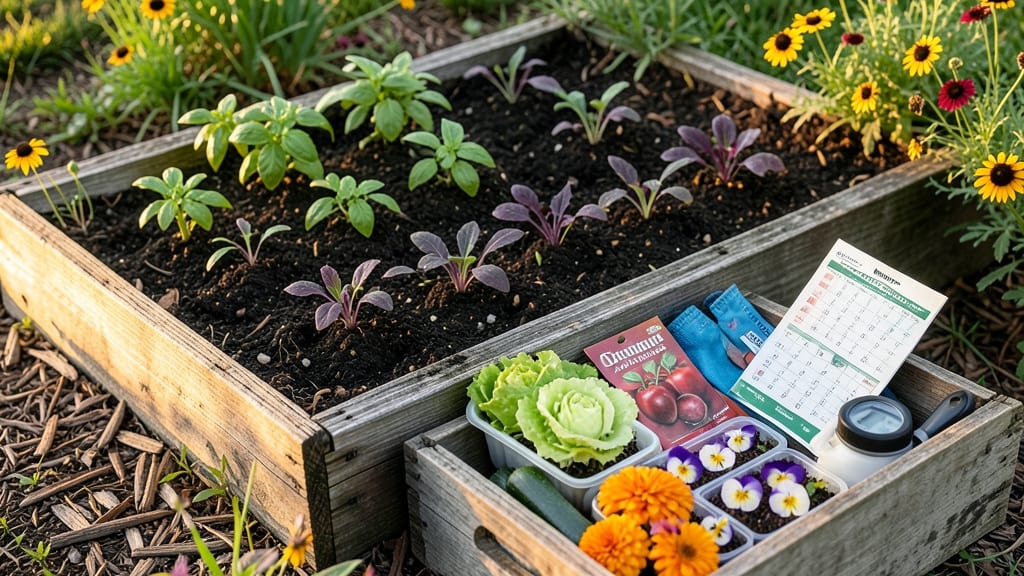
Planting a garden in Tennessee at the right time means the difference between a bountiful harvest and a sad pile of wilted seedlings.
Tennessee’s mild winters and hot summers create the perfect gardening climate—but planting at the wrong time can mean stunted growth or lost crops. Whether you’re in cooler Zone 6A or warmer Zone 7A, timing is everything for a thriving garden.
Most gardeners in Tennessee start cool-season crops like lettuce and spinach as soon as the soil warms in early spring, but warm-season favorites like tomatoes and peppers need to wait until after the last frost—usually late April to early May.
Missing these windows can leave your plants struggling against late frosts or scorching summer heat.
In this guide, I’ll break down the exact planting windows for your zone, share tricks to extend your growing season, and help you avoid common mistakes that ruin timing. Let’s get your garden off to the best start!
Tennessee planting zones 6A & 7A: exact dates for cool-season vs. warm-season crops
Tennessee’s USDA Zones 6A and 7A offer gardeners a unique balance of mild winters and long growing seasons. In Zone 6A, the average last spring frost occurs around April 15, while Zone 7A typically sees frost-free conditions by March 20.
These differences mean your planting schedule should adjust based on your exact location, especially when choosing between cool-season crops like lettuce and warm-season crops such as tomatoes.
Understanding these frost dates is critical because planting too early can expose tender seedlings to frost damage, while waiting too long may shorten your harvest window. For example, broccoli and kale thrive in cooler temperatures, while peppers and eggplants need warmer soil to germinate successfully.
Let’s break down the exact timelines for each zone to help you plan your garden like a pro.
📅 Key Dates to Remember:
- Zone 6A: Last frost April 15, First frost October 30
- Zone 7A: Last frost March 20, First frost November 15
These dates give you a 165-day growing season in 6A and a 240-day season in 7A, making Zone 7A ideal for longer-season crops like squash or corn.
For Zone 6A gardeners, the spring planting window for warm-season crops opens later due to frost risks, but the fall window is shorter. Start cool-season crops like spinach in early March for a spring harvest, then replant in August for a fall crop.
In Zone 7A, you can push the envelope further—plant lettuce as early as February for an early spring harvest and extend it into September.
One of my favorite tricks for Zone 6A is using row covers to protect early plantings of broccoli or cabbage from late frosts. These lightweight fabrics add just enough warmth to push back the last frost date by 2-3 weeks.
In Zone 7A, focus on succession planting to maximize your garden’s productivity—sow radishes every 2 weeks for a continuous harvest.
If you’re growing tomatoes, timing is everything. In Zone 6A, plant transplants after May 1 to ensure they mature before the first frost. In Zone 7A, you can start as early as April 15 and even get a second crop in late summer.
For peppers, which need even more heat, wait until the soil reaches 70°F—usually mid-May in Zone 6A and early April in Zone 7A.
Don’t forget about fall planting! In Zone 6A, you can still sow kale or carrots until September 15 for a winter harvest. In Zone 7A, extend this to October 15
How to adjust planting times for Tennessee’s microclimates and soil conditions
Tennessee’s varied geography means your planting timeline can differ dramatically even within a single county. The Great Smoky Mountains create cooler microclimates in Zone 6A, while the Mid-Cumberland Plateau enjoys warmer Zone 7A conditions.
These differences affect everything from frost dates to soil drainage, forcing gardeners to adapt their strategies.
Beyond zones, Tennessee’s soil types play a huge role in timing. Clay-heavy soils in the western regions stay cold longer, while loamy soils in the central areas warm up faster in spring.
Even within your yard, a north-facing slope will frost later than a south-facing bed. Understanding these factors lets you extend your growing season by weeks.
Use row covers to start cool-season crops 2-3 weeks earlier
Lightweight fabric traps heat and protects seedlings from late frosts. Remove covers when plants outgrow them or temperatures exceed 75°F.
Test soil pH and amend before planting
Clay soils (pH 5.5-6.5) need lime, while acidic loam (pH <5) benefits from sulfur. Aim for 6.0-7.0 for most vegetables.
Plant warm-season crops after soil reaches 60°F
Use a soil thermometer—peppers and tomatoes need warm roots to thrive. In Zone 6A, this may be late May; in Zone 7A, early April works.
Mulch with straw or leaves to regulate temperature
In summer, mulch keeps roots cool; in winter, it insulates against frost. Apply 2-3 inches after planting to preserve moisture.
Adjust for high-altitude areas (add 1-2 weeks to frost dates)
Mountain regions like Sevier County (Zone 6A) may have 10-14°F colder nights than valley areas. Plan accordingly.
If you’re gardening in Zone 6A, focus on early spring preparation. Start seeds indoors in late February for transplants, and use cold frames to protect tender crops until mid-April.
For Zone 7A, you’ve got more flexibility—direct-sow warm-season crops like squash and cucumbers by early March if your soil drains well.
Don’t overlook succession planting to maximize your space. In Tennessee’s short growing season, plant fast-maturing crops like radishes or lettuce every 2-3 weeks after your initial planting. This keeps your harvests coming while extending the season naturally.
Pair heat-loving plants like okra and sweet potatoes with cool-season crops like kale and carrots to utilize space efficiently.
For clay-heavy soils common in western Tennessee, improve drainage by mixing in compost and sand before planting. Loamy soils in the central region benefit from organic matter additions like aged manure or leaf mold.
Both soil types will reward you with healthier plants and more predictable growth when you tailor your approach to their unique characteristics.
Remember, Tennessee’s humidity and summer heat can stress plants if not managed properly. Always water deeply in the morning to reduce fungal risks, and provide afternoon shade for heat-sensitive crops like leafy greens during peak summer months.
With these adjustments, you’ll turn your garden’s challenges into opportunities for a longer, more productive growing season.