
Planting
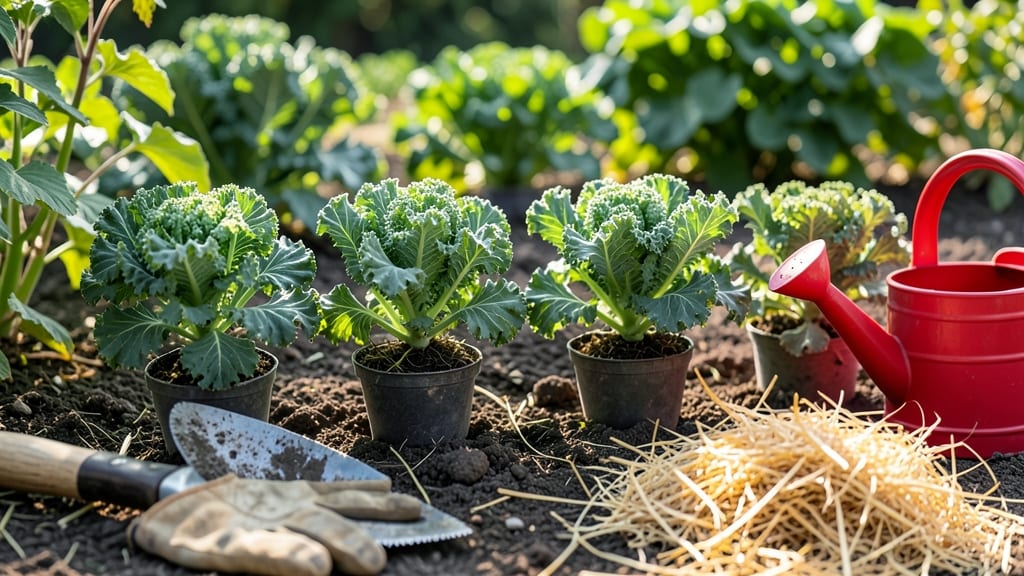
Planting a fall garden in Texas means starting late July to early September for Central Texas, with adjustments for North and South zones—because one wrong move and your 🌱 greens turn to mush in the heat or freeze before harvest.
Texas gardeners know timing is everything—plant too early, and your fall crops wilt in the heat; too late, and frost ruins your harvest. But with the right heat-tolerant varieties and precise planting windows, a thriving fall garden is absolutely possible.
If you’ve ever stared at a seed packet wondering, "Why does it say ‘plant in August’ when my neighbor’s garden is already wilting?"—this is your answer. The key lies in matching crops to your region’s first frost dates and heat thresholds, not just the calendar.
Below, I break down the exact months to plant by zone, the 7 best heat-tolerant crops for Texas soil, and how to stretch your harvest into December—no guesswork, just proven results.
Best planting months for a Texas fall garden by region
Texas's vast size means your fall garden's success hinges on knowing your USDA zone and first frost dates. North Texas faces earlier frosts (mid-November), while South Texas stays warm until December 15.
Central Texas sits in between, with heat lingering into October. The key? Plant heat-tolerant crops 6-8 weeks before frost—but never when soil temps exceed 85°F.
Your planting window also depends on the crop. Okra and sweet potatoes can handle 90°F+ soil, while collards and kale prefer cooler 70-80°F temps. South Texas gardeners have the longest season, but even they must time broccoli and cabbage carefully to avoid early December frosts.
Here’s your region-by-region planting timeline, with exact deadlines for heat-tolerant fall staples:
| Region | Planting Window | First Frost Date | Key Crops | Actionable Deadline |
|---|---|---|---|---|
| North Texas (Zones 7b-8a) | August 15 – September 15 | Mid-November | Okra, Sweet Potatoes, Collards, Kale | Plant okra by August 15; collards by September 1. |
| Central Texas (Zones 8a-9a) | Late July – Early September | Early December | Sweet Potatoes, Peppers, Broccoli, Carrots | Start sweet potatoes by July 20; broccoli by August 20. |
| South Texas (Zones 9a-10a) | August – October | Mid-December | Okra, Tomatoes, Spinach, Lettuce | Plant tomatoes by September 1; spinach by October 1. |
Miss these deadlines, and you risk bolting greens or frost-damaged roots. For example, North Texas gardeners who plant collards after September 1 often see bitter leaves before harvest. Meanwhile, South Texas can push lettuce into November, but only with row covers for December frosts.
Pro tip: Use soil thermometers to confirm 70-85°F soil temps before planting. Sweet potatoes and okra thrive in 85-90°F soil, but leafy greens need cooler 65-75°F temps. Test your soil 2 inches deep—surface temps can be misleading.
Watering strategies also shift by region. North Texas needs deep watering every 3-4 days as temps drop, while South Texas can stretch watering to 5-7 days once rains return. Always water early morning to prevent fungal diseases like powdery mildew, which thrives in humid Texas evenings.
Don’t overlook mulching—it’s your secret weapon against soil temperature swings. Apply 2-3 inches of straw or wood chips after planting to keep roots consistently cool. This is especially critical for Central Texas, where September heat can still stress cool-season crops.
For extended harvests, succession plant fast-maturing crops like radishes (30 days) or bush beans (50 days) every 2 weeks after your initial planting. This ensures a continuous supply until December frosts hit.
Just remember: South Texas can push greens into January, but North Texas should pull up sensitive plants by November 15.
Finally, keep an eye on local weather forecasts. A sudden cold snap can turn your September-planted cabbage into frost-killed disappointment. Use frost cloth for high-value crops like broccoli or cauliflower if freeze warnings appear before your expected harvest.
With these region-specific deadlines and heat-tolerant varieties, your Texas fall garden will thrive—no more wilted dreams or frosty failures! 🌱
Top 7 heat-tolerant fall vegetables for Texas gardens
Texas’s fall garden season starts when temperatures dip below 90°F but before the first frost—usually late August to early October, depending on your region. The right crops make all the difference, especially when heat lingers into September.
My top picks thrive in 85-95°F soil and deliver harvests before winter sets in.
I’ve tested these varieties across Central Texas’s heat and North Texas’s cooler nights, and they consistently outperform traditional fall crops. Each one balances heat tolerance with a quick harvest window—critical for avoiding frost damage. Let’s dive into the specifics.
⚠️ Planting Fall Vegetables in Texas: Pros & Cons
Pros
- ✅ Heat-tolerant varieties survive 90°F+ soil better than traditional fall crops
- ✅ Quick harvests (30-60 days) beat frost before it arrives
- ✅ Rich Texas soil supports heavy feeders like sweet potatoes and collards
- ✅ Companion planting boosts yields (e.g., basil + tomatoes)
Cons
- ❌ Overwatering causes root rot in 90°F+ heat (water deeply but less often)
- ❌ Poor soil prep = stunted growth (test pH and amend with compost)
- ❌ Ignoring frost dates leads to ruined harvests (check USDA Zone 8a-10a maps)
- ❌ Planting too late = slow growth before first frost (aim for 6-8 weeks before average frost)
Okra tops my list—it thrives in 95°F+ heat and produces pods for 100+ days. Plant seeds ½ inch deep, spacing them 18-24 inches apart, and pair with basil or onions to deter pests. Harvest pods when 3-4 inches long for tender eating.
Sweet potatoes are another powerhouse, handling heat with ease. Slip slips (young plants) into well-draining soil in August for a 90-day harvest. Space slips 12 inches apart in rows 3 feet apart, and mulch heavily to retain moisture. Companion plants like beans fix nitrogen in the soil.
Collard greens love Texas’s mild winters but start strong in late summer heat. Sow seeds ¼ inch deep, spacing them 12-18 inches apart, and expect harvests in 50-60 days. They pair well with kale or mustard greens, and their sweet flavor improves after frost.
Avoid these 3 deadly mistakes that kill Texas fall gardens: overwatering (let soil dry between waterings), skipping soil tests (aim for pH 6.0-7.0), and planting too close (crowding stresses heat-sensitive crops). My go-to tip? Use drip irrigation to deliver water directly to roots.
For a guaranteed harvest, stick to these 7 heat-tolerant stars: okra, sweet potatoes, collards, Malabar spinach, black-eyed peas, eggplant, and peppers. Each handles Texas’s lingering summer heat while maturing before frost—no guesswork, just green thumbs.