
Planting
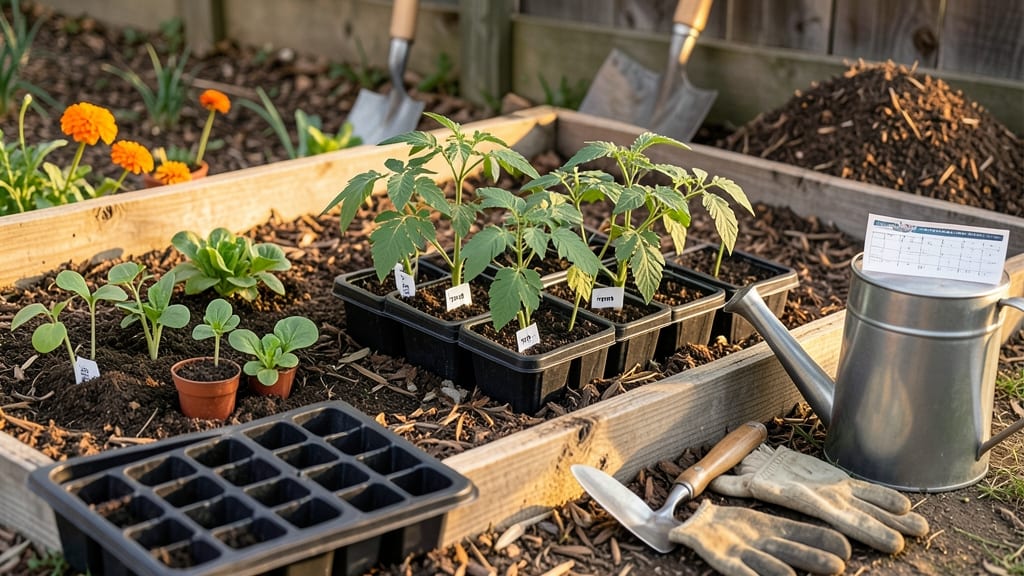
Planting your garden in Ohio at the right time means the difference between a thriving harvest and a frost-killed disappointment.
Ohio’s unpredictable frost dates can make or break your garden’s success—plant too early, and a late freeze wipes out your hard work. But get the timing right, and you’ll enjoy a bountiful harvest all season long.
With USDA Zones 5 through 7 across the state, your planting window shifts from late April in the south to mid-May in the north. That’s why knowing the exact frost dates for your region is the key to success.
In this guide, I’ll break down the best planting schedule for vegetables, flowers, and herbs—plus how to adjust for Ohio’s tricky weather and extend your growing season.
Ohio’s frost dates by region: when to start planting cool vs warm-season crops
Ohio’s frost dates vary dramatically across its three regions, making it critical to know your last average frost date before planting warm-season crops like tomatoes or peppers. Northern Ohio’s colder microclimates mean earlier frosts, while Southern Ohio enjoys a longer growing season.
Understanding these USDA zone adjustments helps you avoid costly mistakes like frost damage to tender seedlings.
For cool-season crops such as lettuce, spinach, and peas, you can start planting as early as March in Southern Ohio or wait until April in Northern Ohio. These hardy plants thrive in cooler temperatures and can even tolerate light frosts.
Meanwhile, warm-season crops like tomatoes, peppers, and cucumbers need to wait until after the last frost date, which typically ranges from mid-May in the North to early April in the South.
Here’s a quick reference for Ohio’s average last frost dates by region, along with ideal planting windows for your favorite crops:
In Northern Ohio, where USDA zones 5b-6a dominate, gardeners should wait until mid-May to plant tomatoes and peppers outdoors. This region’s first frost often arrives by mid-October, so plan to harvest or protect late-season crops.
For cool-season crops, start seeds indoors in March or direct-sow in early April.
Central Ohio, spanning USDA zones 6a-6b, offers a slightly longer season. Here, you can plant warm-season crops like cucumbers and squash by mid-May, while cool-season crops like kale and broccoli can go in as early as late February under row covers.
The first frost usually hits around mid-October, leaving room for a fall garden.
Southern Ohio’s USDA zones 6b-7a are the most forgiving, with last frost dates as early as mid-April. This means you can plant tomatoes and peppers outdoors by late April and even experiment with sweet potatoes or okra, which thrive in the region’s warmer microclimates.
The first frost arrives later, around late October, giving you extra time for fall planting.
Remember, these dates are averages, and Ohio’s weather can be unpredictable. To hedge your bets, use row covers for early plantings or start warm-season crops indoors 6–8 weeks before your last frost date.
For example, if you’re in Northern Ohio and want to grow basil, begin seeds indoors in early April and transplant after May 15.
For cool-season crops like lettuce and spinach, succession planting is key. In Southern Ohio, you can plant every 2 weeks from February to September for continuous harvests. Meanwhile, in Northern Ohio, focus on early spring and late summer plantings to avoid frost damage.
Always check soil temperatures—cool-season crops prefer 40–70°F, while warm-season crops need 60°F+.
Best planting calendar for Ohio gardens: month-by-month schedule for vegetables, flowers, and herbs
Ohio’s growing season starts early in the south and creeps northward—meaning your March planting in Cincinnati might be too risky for Columbus by April. To maximize your harvest, I’ve created a month-by-month guide tailored to Ohio’s USDA Zones 5-7, including succession planting tips for nonstop yields.
Cold-hardy crops like spinach and kale can handle Ohio’s chilly springs, while heat-lovers such as okra and sweet potatoes need warm soil to thrive. I’ll show you how to balance both in your garden for a year-round harvest.
- 1 March: Start cool-season crops (onions, peas) indoors or under row covers. Direct-sow spinach and lettuce in protected beds.
- 2 April: Plant potatoes and radishes as soon as soil is workable. Transplant broccoli and cauliflower seedlings after last frost (avg. mid-April in South Ohio).
- 3 May: Warm-season tomatoes and peppers go in after last frost (avg. late May in North Ohio). Begin succession planting of beans every 2 weeks.
- 4 June: Direct-sow cucumbers and squash. Start fall crops like kale and carrots in late June for harvests before first frost.
- 5 July-August: Plant heat-tolerant greens (malabar spinach) and okra. Sow cover crops (clover) to protect soil.
- 6 September: Extend season with cold frames for lettuce and radishes. Plant garlic for next year’s harvest.
- 7 October: Harvest remaining sweet potatoes and pumpkins. Plant winter rye to prevent erosion.
For continuous harvests, use the succession planting trick: sow lettuce every 2 weeks from March to August, and beans every 3 weeks from May to July. This ensures fresh greens and pods all season long.
Ohio’s first frost typically arrives in mid-October in the north and late October in the south. Use this time to plant garlic or hardy greens like kale, which sweeten after frost. Don’t let your garden sleep—even in winter!
Pro tip: Check Ohio State University Extension’s frost date maps annually, as climate shifts can delay or advance frost timelines. Adjust your schedule accordingly for peak productivity each year. 🌱