
Tools
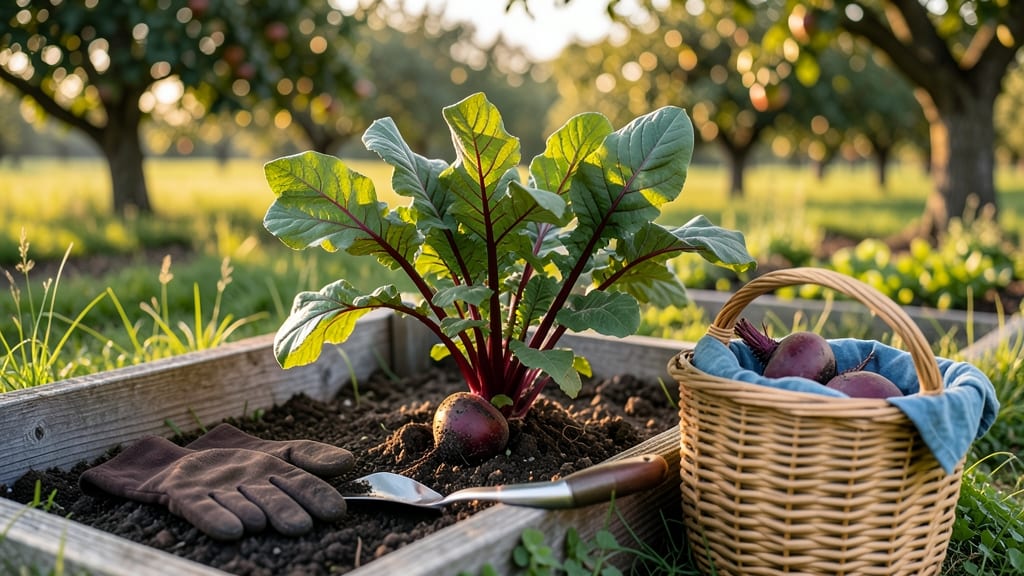
Pull beets from the garden when they reach 1-2 inches in diameter and develop a deep, rich color—typically 50-70 days after planting—for peak sweetness and tenderness. Smaller beets taste milder, while larger ones become woody and less flavorful.
Timing your beet harvest depends on two key factors: size and color intensity. 🌱 Beets mature at different rates based on variety—some reach peak flavor at 50 days, while others need up to 70. The deeper the hue (from golden to deep purple), the sweeter and more vibrant the flavor.
I always check both the root's diameter and its color before pulling, as these clues tell me exactly when to harvest for the best texture and taste.
Once you spot beets with that perfect 1-2 inch diameter and rich color, act quickly. Overgrown beets develop tough, fibrous centers that ruin their delicate sweetness. For best results, harvest in the morning when temperatures are cooler—this preserves the beet's natural sugars and prevents wilting.
Store harvested beets in a cool, dark place for up to two weeks, or cook them immediately for maximum flavor impact.
💡 In This Article
- How Beet Size and Color Affect Flavor and Texture
- Best Practices for Harvesting Beets at Peak Ripeness
How beet size and color affect flavor and texture
The sweetness and tenderness of beets are directly tied to their cellular structure and sugar content. As beets grow, their cells expand and accumulate more anthocyanins—pigments responsible for their deep red, purple, or golden hues. These pigments aren't just for color; they also signal higher sugar concentrations.
A 1-inch beet typically has a sugar content of around 6-8%, while larger 2-inch beets can reach 10-12% sugar. This is why their flavor becomes richer and more complex as they mature.
Texture changes dramatically with size too. Young beets (½ inch) have a delicate, almost buttery consistency, but their flavor is mild. At 1-2 inches, the flesh becomes firm yet tender, with a satisfying snap when sliced.
Beyond 2.5 inches, the center often develops a woody ring due to lignification—a natural hardening process that makes the beet tough and bitter. The skin also thickens, requiring more peeling and reducing edible yield.
Color intensity is your best flavor indicator. Deep purple or ruby beets contain more anthocyanins, which correlate with higher antioxidant levels and sweeter taste. Golden beets, while milder, develop a nutty sweetness when fully mature.
However, if left too long, even the most vibrant beets can become fibrous and lose their vibrant hue as starches convert to sugars and then to fiber. This is why timing is everything—waiting just a few days past peak can turn a perfect beet into a tough, less flavorful root.
Seasonal variations also play a role. Early spring or fall beets tend to mature faster due to cooler temperatures, which slow sugar conversion. In hot summers, beets grow quicker but may develop more fiber if not harvested promptly.
I've found that checking beets every 5-7 days during their final growth phase ensures you catch them at the perfect moment. Use a garden trowel to gently loosen soil around the root before pulling to avoid damaging the delicate skin.
Storage traits differ based on harvest timing too. Beets pulled at peak ripeness (with 1-2 inch diameter) store best in cool, humid conditions for up to 2 weeks, retaining their sweetness.
Overgrown beets, even if vibrant, lose moisture quickly and develop off-flavors within 5-7 days of storage. This is why professional growers often harvest in batches—prioritizing flavor over quantity to maintain consistent quality.
One pro tip: Look at the beet's shoulders. A fully rounded shoulder indicates the root has reached its ideal size, while a tapered shape suggests it's overgrown. The leaves also tell the story—healthy, vibrant foliage means the beet is thriving, while yellowing or wilted leaves can signal stress or overmaturity.
Paying attention to these details ensures you always harvest at the sweetest, most tender stage.