
Plants
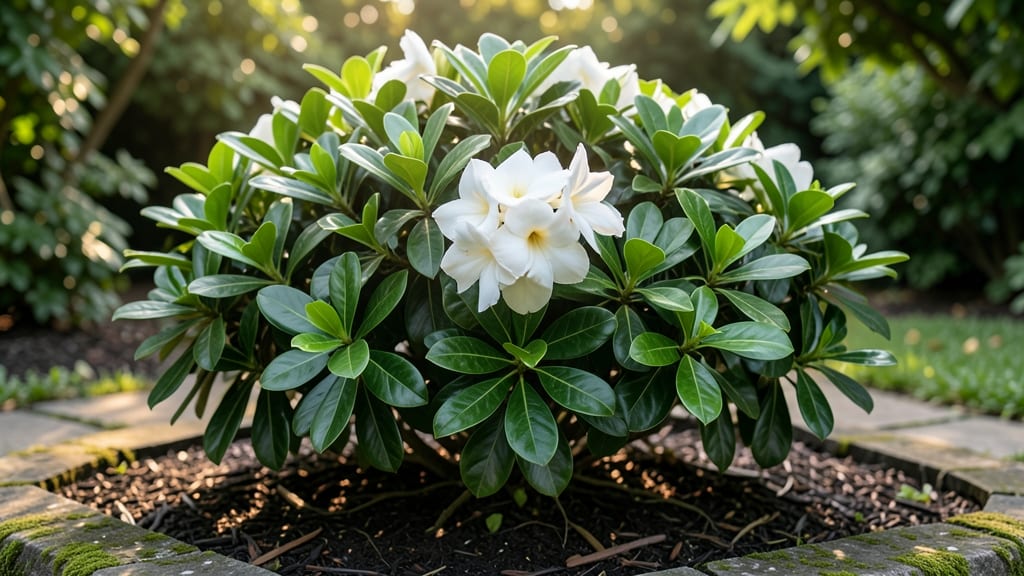
A White House gardener designs, cultivates, and preserves the iconic gardens of the presidential residence, managing spaces like the South Lawn, Rose Garden, and Kitchen Garden while ensuring floral arrangements align with national events and historical traditions.
This role blends horticulture with presidential protocol—think seasonal displays for state dinners, maintaining century-old plants like the iconic Rosa 'Constance Spry' roses, and working directly with First Family preferences. 🌸 The position demands both artistic flair (designing event-specific floral installations) and technical expertise (sustainable irrigation systems for drought-prone Washington).
What makes it unique is the public-facing aspect: these gardeners often lead tours, educate visitors about historic varieties, and even consult on White House menu gardens for fresh herbs and vegetables.
For aspiring candidates, the path starts with formal horticulture training—most White House gardeners hold degrees in landscape architecture or botany—plus specialized skills in historic plant restoration.
Networking through organizations like the American Horticultural Society is key, as openings are rare and often filled through internal White House staff referrals. The pay reflects the prestige: around $75,000-$100,000 annually, but the real reward is shaping spaces where history and nature intersect daily. ✨
💡 In This Article
- Historic and Modern Duties of a White House Gardener
- How to Become a White House Gardener: Skills and Career Path
Historic and modern duties of a White House gardener
The White House gardens serve as both a historic landmark and a living symbol of American horticulture, requiring gardeners to balance preservation with innovation.
The South Lawn, spanning 18 acres, hosts events like Easter egg hunts and Fourth of July celebrations, demanding seasonal transformations—think 2,500 tulips in spring or 100+ American flags for Memorial Day.
These changes aren't just aesthetic; they reflect national themes, like using native plants for Earth Day displays or drought-resistant varieties to conserve 1.2 million gallons of water annually. 🌿
Preserving historic plants is equally critical. The Rose Garden, planted in 1932, features Rosa 'Constance Spry', a variety chosen for its hardiness and patriotic red hue.
Gardeners maintain these plants using organic soil amendments and hand-pruning techniques passed down for decades—no chemical pesticides are allowed within 50 feet of the White House.
Even the Kitchen Garden, introduced in 2009, follows this tradition: it grows 50+ varieties of heirloom vegetables while avoiding genetically modified seeds, aligning with the Obama administration's "Let's Move!" initiative.
Collaboration with the First Family shapes daily priorities. During the Biden administration, gardeners expanded the Kitchen Garden to include pollinator-friendly plants and installed solar-powered irrigation after discussions with the president about climate resilience.
For events, they design floral arrangements using locally sourced blooms—like 1,500 peonies for a 2023 state dinner—while ensuring zero waste through composting programs. This dual role as horticulturist and event coordinator is what distinguishes White House gardeners from typical public garden staff. ✨
Sustainability is non-negotiable. The gardens use compost from White House kitchens and rainwater collection systems to reduce municipal water use by 30% since 2015. Gardeners also monitor soil health with pH tests and adjust with biochar amendments, a technique rare in most public gardens.
These practices aren't just eco-friendly—they're mandated by White House sustainability policies, creating a unique intersection of policy and plant care.
Public engagement adds another layer. Gardeners lead weekly tours (pre-pandemic, 50,000+ visitors annually), teaching about 19th-century landscape designs or how First Lady Jacqueline Kennedy restored the Rose Garden. They also consult on White House menus, selecting herbs like thyme and rosemary grown in the Kitchen Garden.
This blend of education and service ensures the gardens remain relevant to both history buffs and casual visitors. 🌸
What makes this role extraordinary is the fusion of botany, art, and diplomacy. A gardener might spend mornings pruning 200-year-old cherry trees and afternoons arranging flowers for a foreign dignitary's visit—all while ensuring the space reflects the administration's values.
This duality requires adaptability, from designing COVID-safe social distancing displays in 2020 to creating Black History Month floral tributes featuring African American botanists like George Washington Carver. 💫