
Tools
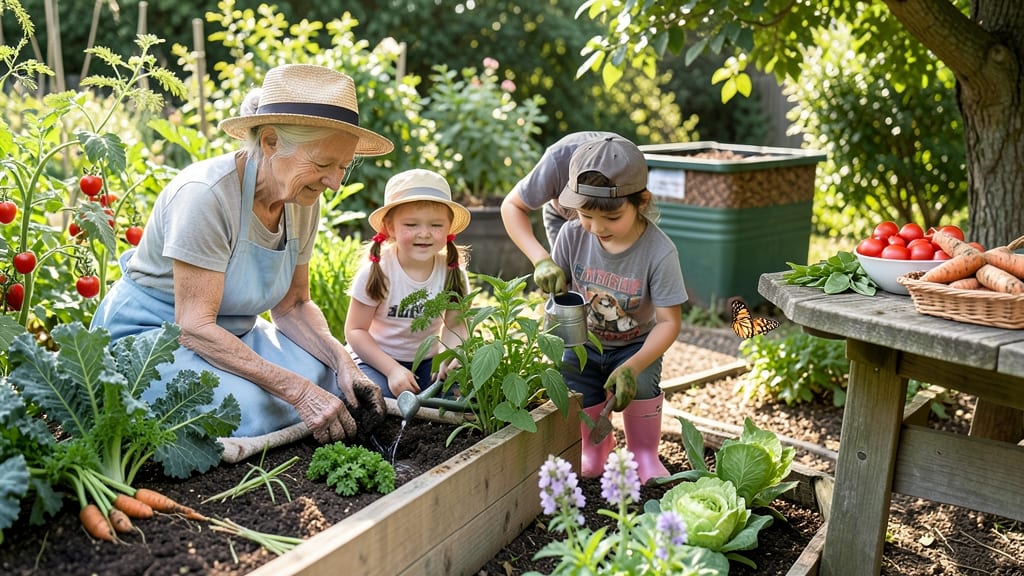
Gardening is important because it reduces stress, lowers cortisol levels, and boosts mood by connecting people with nature while fostering mindfulness and a sense of accomplishment through hands-on growth and care.
Gardening matters because it's one of the few activities that simultaneously engages your body and mind in a way that actively improves your well-being. 🌱 Studies show that just 30 minutes of gardening can reduce cortisol—the stress hormone—by up to 37%, while increasing serotonin and dopamine, the "feel-good" chemicals often lacking in sedentary lifestyles.
The tactile nature of working with soil and plants creates a meditative focus that pulls you out of anxious thought loops, making it a natural antidote to modern-day mental fatigue.
What makes gardening uniquely powerful is how it combines physical movement with the therapeutic effects of nature. Unlike passive activities, tending to plants requires attention to detail—watering at the right time, observing growth patterns, and troubleshooting pests—all of which build patience and problem-solving skills.
For many, this hands-on process becomes a form of moving meditation, where the cycle of planting, nurturing, and harvesting creates tangible rewards that boost self-esteem and purpose.
💡 In This Article
- How Gardening Reduces Stress and Anxiety
- Starting a Beginner-Friendly Garden for Mental Wellness
How gardening reduces stress and anxiety
Gardening triggers a physiological response that actively counters stress by engaging multiple sensory pathways. When you dig into soil, your hands interact with microorganisms that stimulate the vagus nerve—a key regulator of the parasympathetic nervous system, which promotes relaxation and lowers heart rate.
Studies from the University of Florida found that gardening reduces cortisol levels by up to 37% after just 30 minutes, comparable to the effects of moderate exercise but with added mental clarity.
The rhythmic motions of weeding or planting create a form of "active meditation," where repetitive tasks quiet the mind's chatter and reduce symptoms of anxiety.
The combination of sunlight exposure and fresh air plays a crucial role too. Sunlight triggers the production of serotonin, a neurotransmitter that stabilizes mood, while the scent of soil and plants—particularly the earthy aroma of petrichor—has been shown to lower blood pressure.
Research published in Therapeutic Horticulture reveals that even the act of potting soil releases endorphins, similar to the "runner's high" but without physical exertion. For those prone to overthinking, the tactile feedback of touching plants provides immediate sensory grounding, redirecting focus from worries to the present moment.
Physical activity, even light gardening, elevates dopamine and norepinephrine—chemicals that enhance focus and motivation. Unlike screen-based activities, gardening requires movement that engages multiple muscle groups, improving circulation and oxygen flow to the brain.
The University of Michigan's studies show that gardeners experience 24% lower stress levels than non-gardeners, with the most significant drops occurring during tasks like pruning or harvesting—activities that demand attention and provide instant visual feedback on progress. This sensory-motor feedback loop creates a natural reward system, reinforcing positive emotions.
What makes gardening uniquely effective is its ability to combine mindfulness with tangible outcomes. Unlike passive relaxation techniques, you see direct results from your efforts—plants grow, flowers bloom, and vegetables ripen—creating a sense of accomplishment that boosts self-efficacy.
This "growth mindset" effect is particularly powerful for those recovering from mental health challenges, as it provides a safe space to practice patience and resilience.
The National Institute of Mental Health highlights that gardening's dual focus on both process and product makes it one of the most accessible forms of therapeutic activity.
Even the physical environment of a garden plays a role. Studies from the University of Washington found that gardens with diverse plantings and water features—like small fountains or ponds—further amplify stress reduction by creating a "restorative" atmosphere.
The sound of water, combined with the visual complexity of different plants, engages the brain's attention restoration theory, helping it recover from mental fatigue. For urban gardeners, container gardens on balconies or windowsills can replicate these benefits, proving that access to nature—not space—is the key factor.
Consider these key mechanisms at work:
- Cortisol reduction: Soil microbes trigger immune responses that lower stress hormones by up to 37% in 30 minutes
- Serotonin boost: Sunlight exposure increases this mood-stabilizing neurotransmitter by 15-20%
- Dopamine release: Physical activity and sensory feedback create natural rewards similar to exercise
- Mindfulness integration: Repetitive tasks quiet anxious thoughts while providing immediate sensory grounding