
Pests
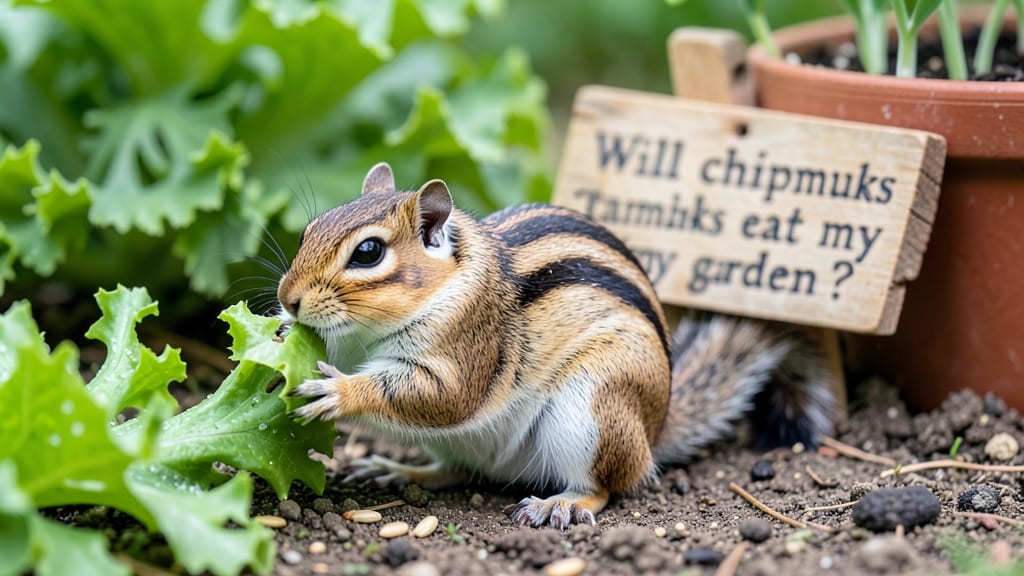
Yes, chipmunks will eat your garden, targeting fruits, vegetables, seeds, and tender plants like lettuce, beans, and strawberries, often digging up bulbs and tubers. They prefer high-protein, sweet, or fatty foods and may raid gardens aggressively during spring and summer.
Chipmunks are opportunistic foragers that see your garden as an all-you-can-eat buffet. 🐿️ Their tiny size belies their appetite—these striped rodents can strip a sunflower head in minutes or create unsightly tunnels through your soil in search of hidden treasures like bulbs.
The key to their behavior lies in their diet: they crave protein-rich seeds, sugary fruits, and tender young shoots, which explains why your prized tomatoes or newly sprouted peas might suddenly vanish overnight. What's more, their digging habits can uproot entire plants, leaving your landscaping efforts in shambles.
What makes them particularly problematic is their seasonal timing. While they're active year-round, their raids peak during spring planting and summer fruiting seasons when food is abundant. This means your carefully nurtured garden becomes a high-stakes battleground between your harvest and their survival instincts.
The good news? Understanding their preferences is the first step in outsmarting these persistent pests without resorting to harmful chemicals.
💡 In This Article
- Why Chipmunks Target Specific Garden Plants
- 7 Chipmunk-Resistant Plants to Protect Your Garden
Why chipmunks target specific garden plants
Chipmunks are drawn to garden plants with high nutritional value, particularly those rich in proteins, fats, and natural sugars. Their diet mirrors that of squirrels but on a smaller scale, focusing on seeds (especially sunflower, corn, and pumpkin), tender shoots, and ripe fruits like strawberries and tomatoes.
The key factor is texture—soft, succulent plants offer easy access to nutrients without requiring much chewing. For example, a chipmunk can strip an entire sunflower head in under 10 minutes because the seeds are packed with oils and proteins, making them an energy-dense snack.
Their foraging behavior shifts with the seasons. During spring, they target newly planted seeds and sprouts, often digging shallow trenches to bury them for later. By summer, their focus shifts to ripe fruits and vegetables, where the sugar content peaks.
This explains why your strawberries might look perfectly fine one day and completely ravaged the next—they’re not just nibbling; they’re feasting on the sweetest, most nutrient-dense parts of your plants. 🐿️ Their digging also serves a dual purpose: it helps them cache food for winter while simultaneously uprooting plants like onions or tulip bulbs, which they find irresistible.
What most gardeners don’t realize is that chipmunks play a role in seed dispersal, albeit unintentionally. They’ll bury seeds they can’t eat immediately, often forgetting about them. This can lead to unexpected "volunteer" plants sprouting in your garden the following year. However, their primary motivation isn’t dispersal—it’s survival.
Chipmunks have a metabolic rate that requires them to consume up to 3 times their body weight in food daily, which is why they’re so relentless in their raids. Their high energy needs make them competitive foragers, often outcompeting other wildlife like birds for the same food sources.
Another critical factor is scent. Chipmunks rely heavily on their keen sense of smell to locate food, which is why freshly harvested or bruised fruits (like overripe tomatoes) are particularly tempting. The natural sugars in these fruits release volatile compounds that signal ripeness, acting like a dinner bell for chipmunks.
This is why covering vulnerable crops with row covers or netting can be effective—it disrupts their ability to detect and target these high-value foods. Understanding these sensory triggers is the first step in designing a chipmunk-proof garden.
Their behavior also varies by plant type. For instance, chipmunks are less likely to bother plants with strong aromas or bitter tastes, like mint or garlic, because these compounds can be toxic or unpalatable. This preference explains why certain plants naturally repel them while others become a buffet.
The contrast between their love for sweet corn and their avoidance of marigolds, for example, highlights how their diet is influenced by both instinct and chemistry. 🌱
Finally, chipmunks are crepuscular, meaning they’re most active during dawn and dusk. This timing aligns with when many garden plants are most vulnerable—after watering, when they’re soft and juicy, or during early morning dew when sugars are concentrated.
By recognizing these patterns, you can adjust your gardening practices to minimize losses, such as harvesting fruits before they fully ripen or planting chipmunk-resistant alternatives in high-risk areas.