
Planting
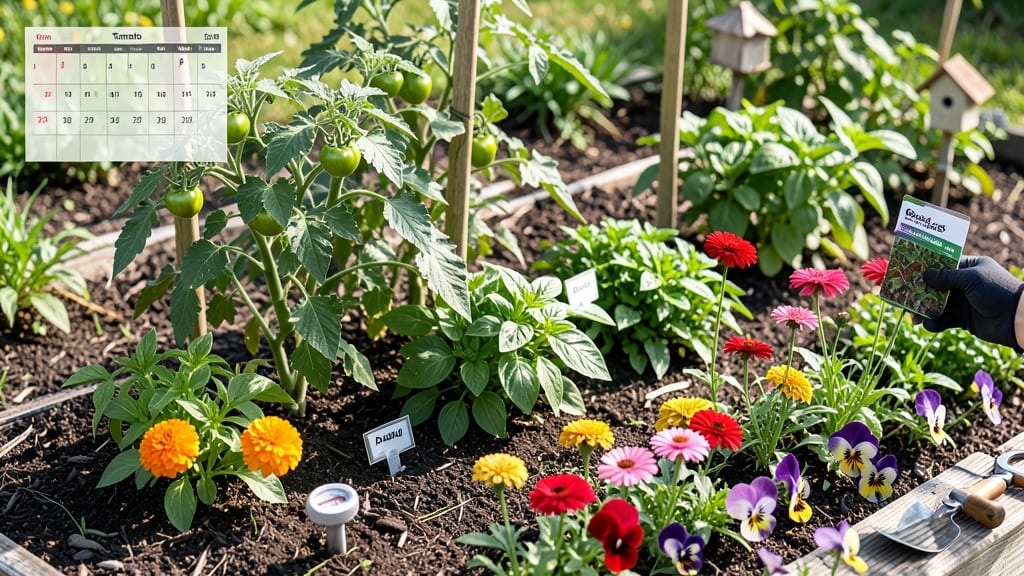
A Zone 7 gardening calendar helps you time plantings perfectly by following USDA Zone 7’s average last frost date around March 15 and first frost near November 15, ensuring you grow warm-season crops like tomatoes and peppers in spring/summer while cool-season plants like kale and spinach thrive in fall/winter.
A Zone 7 gardening calendar isn't just about dates—it's about matching your plants to your local climate's rhythm. 🌱 For example, while the average last frost is March 15, gardeners in the Piedmont region might experience warmer microclimates that allow earlier planting, while Appalachian foothills could delay it by a week or more.
I always adjust my schedule based on recent weather patterns rather than relying solely on averages. This flexibility helps me avoid frost damage to tender seedlings and maximize my harvest window.
Beyond frost dates, the calendar also accounts for plant maturity times. For instance, you'd start warm-season crops like tomatoes indoors in February to transplant them after the last frost, while cool-season crops like broccoli can be sown directly in September for a fall harvest.
Understanding these cycles transforms gardening from guesswork into a predictable, rewarding process.
💡 In This Article
- Understanding Zone 7 Frost Dates and Microclimate Variations
- Monthly Zone 7 Planting Schedule for Vegetables, Flowers, and Herbs
Understanding Zone 7 frost dates and Microclimate variations
Zone 7's frost dates aren't one-size-fits-all—they vary dramatically across its 1,000-mile span from Virginia to Oklahoma. The Piedmont region typically sees its last spring frost around March 15, but gardeners in the Appalachian foothills might wait until April 1 due to cooler mountain air pooling in valleys.
This elevation effect creates a 1-2 week difference in planting windows just 50 miles apart—a critical factor for tender crops like basil or eggplants.
Urban areas add another layer of complexity. Cities like Atlanta or Nashville experience urban heat islands that can delay first fall frosts by 10-14 days compared to rural areas.
Concrete and asphalt absorb heat during the day and radiate it at night, creating microclimates where tomatoes might survive until November 25 instead of the average November 15. I've seen gardeners in downtown Atlanta harvest green beans in December when suburban neighbors are already covering their plants!
The National Weather Service tracks these variations through 30-year climate averages, but real-time adjustments are key. For example, if your area had an early March frost like the 2021 freeze, you'd delay warm-season plantings by 2-3 weeks.
Conversely, a mild winter might let you plant peas in February instead of waiting for March. The USDA Zone 7 designation actually masks this regional diversity—what works in Chattanooga (Zone 7a) may fail in Oklahoma City (Zone 7b) due to 10°F temperature differences in winter lows.
Elevation plays a surprising role too. A garden at 1,000 feet might have 100 more frost-free days than one at 3,000 feet. This is why mountain gardeners often plant cool-season crops like lettuce in late summer when valley gardens are still too hot.
The 1°F temperature drop per 300 feet elevation gain means high-elevation Zone 7 gardens sometimes behave more like Zone 6! 🌡️
To navigate these variations, I recommend:
- Local frost records: Check your county extension office for 10-year averages instead of relying on USDA data
- Frost-free tracking: Use apps like Old Farmer's Almanac or Plant Maps to monitor real-time conditions
- Microclimate testing: Place a minimum-maximum thermometer in your garden for 2 weeks to identify hot/cold spots
Even within your yard, microclimates exist. South-facing walls can create 5°F warmer zones, while low areas collect cold air. I've successfully grown citrus trees in Zone 7 by planting them against my south-facing brick wall, where they receive 20% more sunlight and 10°F warmer nights than the rest of the garden. These small-scale variations explain why some gardeners get two harvests of bush beans while others struggle with just one.