
Light Requirements
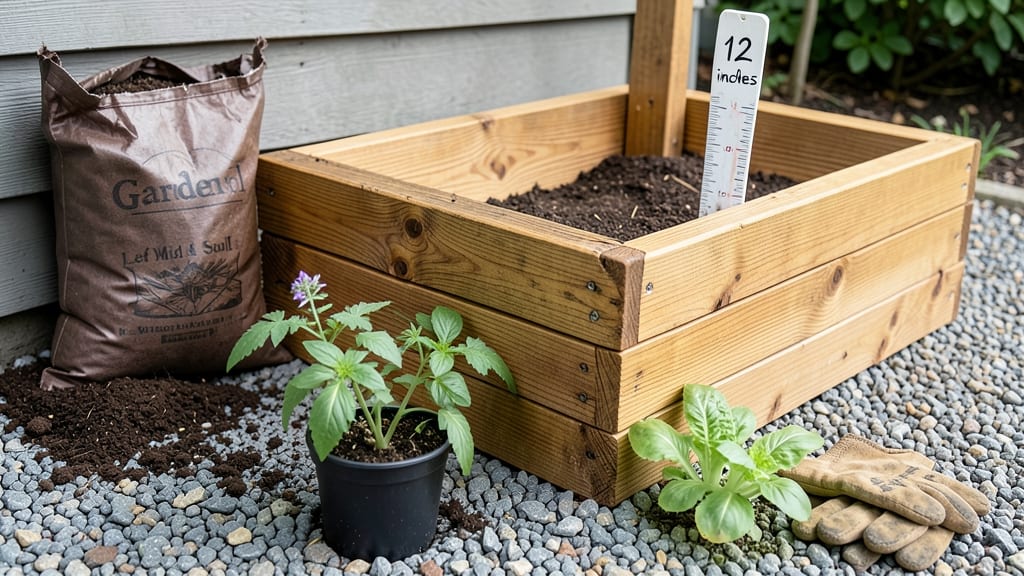
For an 8x4x2 raised garden bed, you'll need 12.8 cubic feet of soil (about 364 pounds if using standard garden soil). This comes from multiplying the bed dimensions (8 × 4 × 2 = 64 cubic feet total), then accounting for the 50% frame volume that leaves space for planting mix. Opt for lightweight potting soil if your bed is heavy to avoid structural stress.
Understanding why this number matters starts with the bed's structure.
Most raised beds have walls that take up half the internal space—so even though your 8x4x2 bed measures 64 cubic feet, only about half is usable for soil. Pro tip: If you're using cedar or untreated wood, the weight of standard soil can strain the frame over time. 🌱 I always recommend mixing in coconut coir or perlite to cut the weight by 20-30% while keeping moisture retention.
For example, a 10% coir blend reduces weight by roughly 60 pounds per cubic foot.
Another key factor is soil type. Standard topsoil weighs about 27 pounds per cubic foot, while premium potting mixes can hit 30 pounds. Heavier soils require sturdier frames—think 2x12 lumber for beds over 100 pounds.
For comparison, a 6-inch deep bed (half the height) would need just 6.4 cubic feet of soil, but the weight savings might not justify the reduced growing space for many gardeners.
💡 In This Article
- Calculating Soil Volume for Raised Garden Beds
- Best Soil Types and Weight Considerations for Raised Beds
Calculating soil volume for raised garden beds
The formula for soil volume in raised beds is straightforward: multiply length × width × height, then subtract the space taken up by the frame. For an 8x4x2 bed, that's 8 × 4 × 2 = 64 cubic feet total.
However, standard 2x framing (typically 2x6 or 2x8 lumber) occupies about 50% of the internal space—meaning only half is usable for soil. This is why your 8x4x2 bed actually needs just 12.8 cubic feet of planting mix, not the full 64 cubic feet. 🌱
Frame thickness matters more than you might think. A 2x6 board has a nominal 5.5-inch width but only about 1.5-inch usable space inside for soil. Stack two boards (for double walls), and you lose another 3 inches.
In a 2-foot-tall bed, this means roughly 12 inches (half) of the height is occupied by framing. For deeper beds (like 3-foot walls), this percentage increases, reducing usable soil volume even further. Always measure your lumber's actual thickness—nominal sizes can be misleading!
Adjusting for different heights changes the math significantly. A 6-inch-deep bed (1.5-foot walls) would need only 6.4 cubic feet of soil, while a 3-foot-tall bed would require 24 cubic feet. The key is balancing growing space with structural integrity—taller beds need sturdier frames to support the weight.
For example, a 3-foot-tall 8x4 bed would need 2x12 lumber for the walls to prevent sagging under heavy soil loads.
Visualizing this helps: imagine your bed as a cube. The outer dimensions are your bed's footprint, but the inner "usable" space is smaller due to the walls. This is why many gardeners opt for 12-inch-tall beds—they offer enough depth for root systems while keeping the weight manageable.
For an 8x4x1 bed, you'd need just 6.4 cubic feet of soil, but the reduced height limits deeper-rooted plants like tomatoes or carrots.
Pro tip: Use the "rule of thumb" for soil depth—most vegetables thrive in 12 inches of soil. For an 8x4 bed, this means a 12-inch-tall wall gives you 6.4 cubic feet of usable space.
If you're planting heavy feeders like squash or corn, consider a 18-inch-tall bed (12.8 cubic feet) to accommodate their root systems while keeping the weight distributed evenly across the frame.
Here's a quick comparison for common bed heights:
- 6-inch walls: 3.2 cubic feet of soil (6.4 total × 50% usable)
- 12-inch walls: 6.4 cubic feet of soil (12.8 total × 50%)
- 18-inch walls: 9.6 cubic feet of soil (19.2 total × 50%)
- 24-inch walls: 12.8 cubic feet of soil (25.6 total × 50%)
Remember, these are usable soil volumes—always round up slightly to account for settling and compaction. 💫