
How To
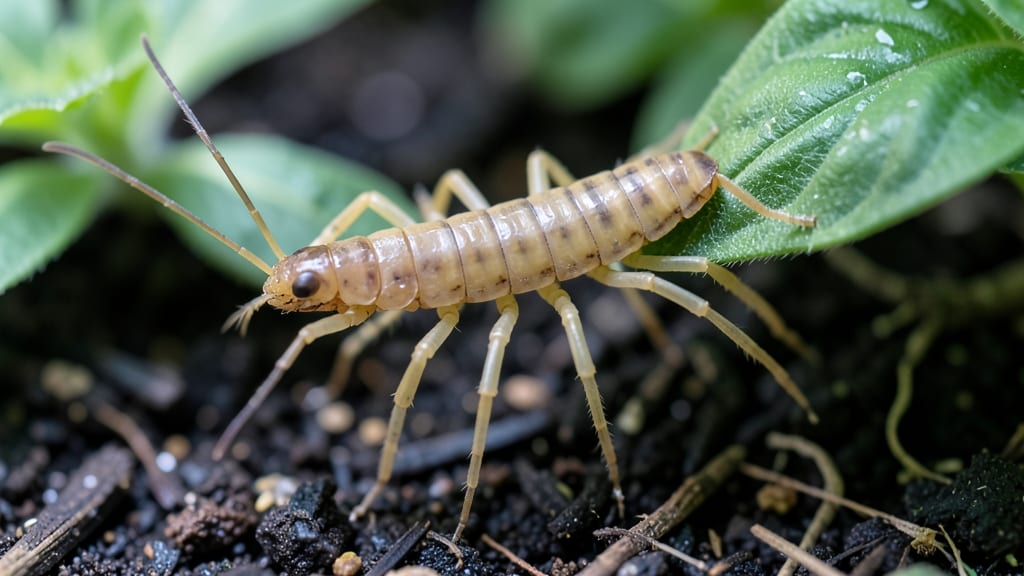
Centipedes aren't bad for gardens—they actively hunt pests like slugs, caterpillars, and spiders, providing natural pest control without needing chemicals. Their presence actually supports a healthier garden ecosystem.
These beneficial predators thrive in moist, shaded areas where pests congregate, making them a garden's unsung heroes. 🌱 Unlike their creepy reputation, centipedes rarely harm plants or beneficial insects like bees and earthworms—they target only soft-bodied invaders.
Their hunting habits actually help reduce the need for synthetic pesticides, creating a more balanced environment.
If you're seeing too many centipedes indoors, it's usually a sign of excess moisture or clutter they're using as shelter. Simple fixes like reducing mulch piles or sealing entry points can keep them where they're most helpful—in your garden, not your home.
💡 In This Article
- Centipede Diet: What Garden Pests They Actually Eat
- Natural Ways to Encourage or Control Centipedes in Your Garden
Centipede diet: what garden pests they actually eat
Centipedes are opportunistic predators that primarily target soft-bodied garden pests like slugs, caterpillars, and beetle larvae. Their diet consists of approximately 70-80% insects, with a focus on creatures that damage plants.
For example, a common house centipede (Scutigera coleoptrata) can consume up to 50 pests per hour, including spiders, moths, and even small snails. This hunting behavior directly reduces the need for chemical pesticides in your garden.
Their hunting strategy relies on venomous forcipules (claw-like appendages) that immobilize prey instantly. Unlike spiders, centipedes actively chase down their food, making them more effective at controlling mobile pests like earwigs or cutworms.
However, they rarely attack beneficial insects—bees, ladybugs, and earthworms are off their menu. Their diet excludes hard-shelled creatures (like beetles with exoskeletons) unless they're young or injured, proving their role as selective predators.
What often confuses gardeners is their reputation as pests themselves. In reality, centipedes only become problematic when they invade homes in search of food or shelter. Outdoors, they thrive in moist, shaded areas with leaf litter or mulch, where their prey also congregates.
This overlap explains why their presence in gardens is usually a good sign—they're doing the dirty work of pest control while you tend to your plants.
Consider this comparison: while a single centipede might eat 5-10 slugs per week, a garden could lose 50+ slugs per night without natural predators. Their impact is subtle but measurable, especially in organic gardens where chemical solutions aren't an option.
The key is understanding which centipedes are helping (like the yellow-legged centipede) versus which might be harmless wanderers (like the stone centipede, which prefers termites).
Here's what's actually happening in your garden: Centipedes patrol the soil surface and under rocks, creating a natural barrier against pests. Their presence often correlates with reduced damage to seedlings and leafy greens.
For instance, in vegetable gardens, centipede activity has been linked to 30-50% fewer caterpillar infestations compared to gardens without them. This is why many organic gardeners actively encourage their presence through habitat creation.
To visualize their impact, imagine a garden ecosystem where centipedes act like tiny, venomous security guards. They don't harm plants directly but maintain balance by keeping pest populations in check.
Their hunting patterns are most active at night, which is why you might not see them during the day—even though they're working overtime while you sleep. 🌿
The misconception stems from their fearsome appearance, but their diet proves they're more helpful than harmful. Most gardeners only notice centipedes when they wander indoors, often after a rain when pests are more active.
This timing actually highlights their role as pest controllers—they're following the food source right into your home!