
Pests
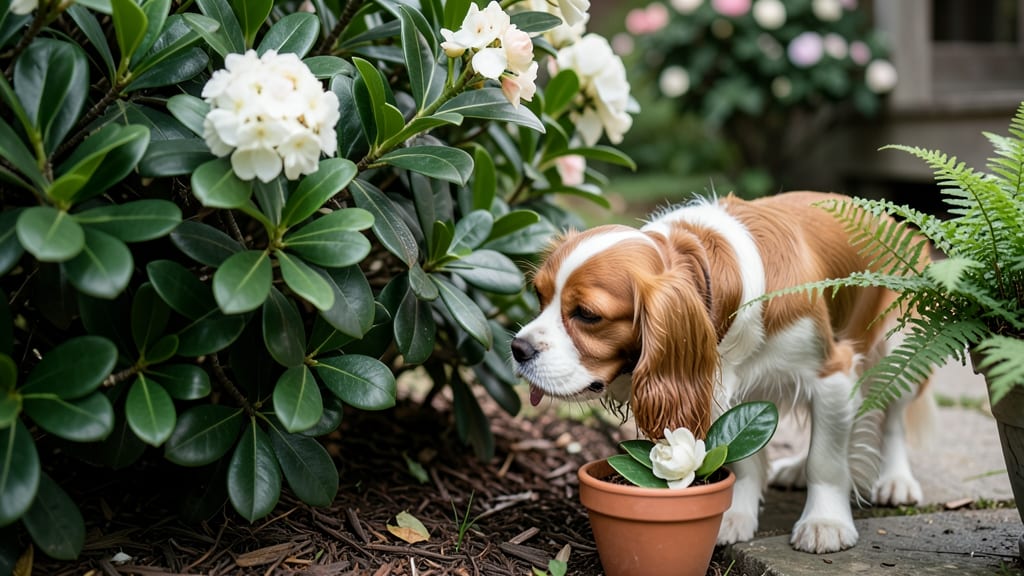
Gardenias are poisonous to dogs because their leaves, flowers, and stems contain toxic compounds like saponins and glycosides, which can trigger vomiting, lethargy, or diarrhea if chewed or ingested. Always keep them out of your pup's reach.
These toxic compounds disrupt your dog's digestive and nervous systems, with symptoms ranging from mild stomach upset to more severe reactions like drooling or weakness. 🐾 Even small amounts can be dangerous, especially for curious pups who might nibble on fallen petals or leaves.
I've seen cases where dogs develop symptoms within hours of exposure, so quick action is key if you suspect ingestion.
If you love gardenias but have a dog, consider placing them in hanging baskets or elevated planters where your pet can't reach. This keeps their beauty in your space while protecting your furry friend from potential harm.
💡 In This Article
- Toxic Compounds in Gardenias and Their Effects on Dogs
- Safe Dog-Friendly Alternatives to Gardenias for Gardens
Toxic compounds in gardenias and their effects on dogs
The danger lies in gardenias' chemical composition, particularly their saponins and glycosides—compounds that act like natural detergents in your dog's system. Saponins create foamy saliva when chewed, which is why you might notice your pup drooling excessively after exposure.
These compounds irritate the gastrointestinal lining, triggering inflammation that leads to vomiting and diarrhea within 6-12 hours of ingestion. 💛
Glycosides are even more concerning—they disrupt cellular function by interfering with how your dog's body processes glucose. This can cause lethargy or even weakness, as the nervous system struggles to maintain normal function.
A 10-pound dog might show symptoms after eating just 1-2 leaves, while larger breeds could tolerate slightly more—but the risk isn't worth it. The toxic dose varies, but gardenias' strong aroma often entices curious pups to investigate further.
Dogs are particularly vulnerable because their natural curiosity and habit of chewing make them more likely to ingest plant material. Unlike humans, dogs lack the enzymes to properly metabolize these compounds, leading to faster and more severe reactions.
For example, a 50-pound Labrador might vomit within 3-4 hours of eating gardenia petals, while a 100-pound German Shepherd could experience diarrhea and weakness within 8-12 hours. 🐕
Symptoms progress in stages: initial drooling and pawing at the mouth (within 30-60 minutes) signals immediate irritation, followed by vomiting and diarrhea (within 2-6 hours). In severe cases, dehydration or seizures can occur if the dog doesn't receive prompt veterinary care.
This is why even small exposures warrant monitoring—what seems like a mild reaction could escalate quickly.
Interestingly, gardenias' toxicity isn't just limited to fresh parts. Dried petals or even gardenia-scented candles can pose risks if ingested, as the compounds remain potent. The flowers' sweet fragrance might seem harmless, but it's this very allure that makes them particularly dangerous for pets.
Always assume any part of the plant is toxic unless confirmed otherwise by a vet.
If you suspect your dog has ingested gardenia, act fast: induce vomiting (only with vet approval) and monitor for 24 hours for delayed symptoms. Keep the plant's packaging or a sample for your vet to identify the exact toxic dose.
Prevention is key—place gardenias in areas your dog can't access, and consider pet-safe alternatives if you're concerned about accidental exposure. 🌿