
How To
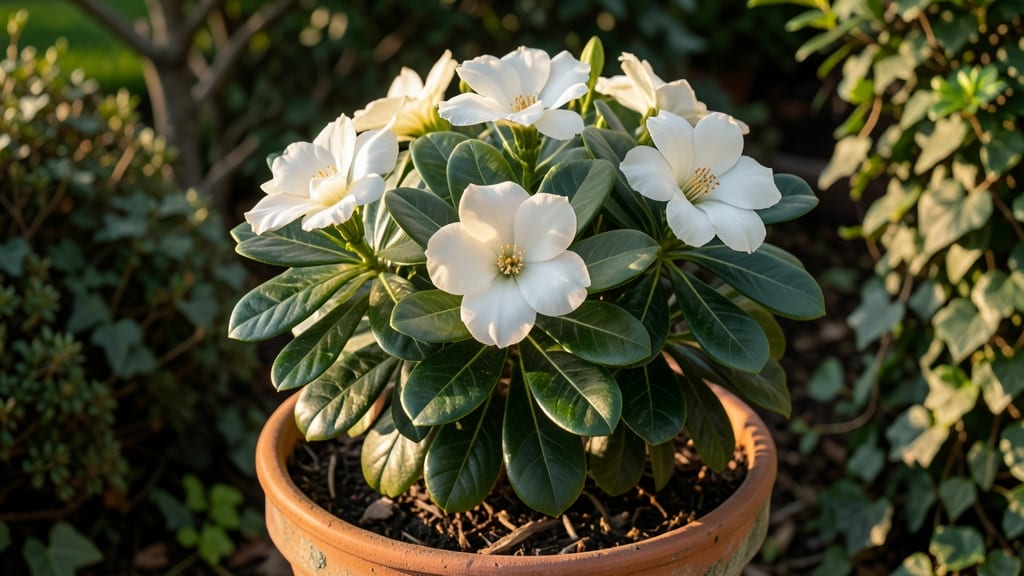
How tall do gardenias grow? These plants typically reach between 3 and 6 feet at maturity, but the variety you choose—and how you care for it—can dramatically change that height.
If you’re dreaming of fragrant, creamy-white blooms but wondering whether gardenias will fit your garden’s height restrictions, you’re in the right place. These plants offer dramatic variety in size, from compact shrubs perfect for containers to towering specimens that make a bold statement.
The key? Picking the right type and giving it the right conditions.
Standard gardenias like ‘Kleim’s Hardy’ can reach 6 feet, while dwarf varieties stay under 3 feet.
Sunlight, pruning, and soil all play a role in how tall they grow—so if you’re planning your garden layout, knowing these factors will help you control their height without sacrificing those intoxicating blooms.
Below, I’ll break down the height ranges by variety, share tips to keep them in check, and recommend the best types for small spaces or large landscapes. Ready to find the perfect gardenia for your garden?

Gardenia height ranges by variety: compact to towering options
If you love the intoxicating fragrance of gardenias but need to fit them into your garden's layout, understanding their height ranges is key. These tropical beauties come in sizes from dwarf varieties perfect for containers to towering shrubs that make bold statements in landscapes.
The right variety can transform your space without overwhelming it.
Most gardenias reach maturity between 3 to 6 feet tall, but some varieties stay under 2 feet while others can exceed 8 feet with proper care.
Their height potential depends on both genetics and growing conditions. Let's explore the spectrum so you can choose what fits your vision and space.
Below is a detailed breakdown of popular gardenia varieties, organized by their mature height ranges. This will help you visualize how each type might look in your garden and make informed decisions about placement and care.
For gardeners with limited space, dwarf varieties like 'Radicans' or 'Kleim's Hardy' are excellent choices. They thrive in containers and still deliver that signature gardenia fragrance. Meanwhile, larger varieties like 'Veitchii' or 'Fortuniana' create stunning focal points in larger gardens or as specimen plants.
When selecting a gardenia variety, consider not just its mature height but also its growth rate and spread. For example, 'Veitchii' grows quickly and can reach 8 feet in ideal conditions, while 'Radicans' remains manageable at 2-3 feet even after several years.
This variety comparison helps you visualize how each plant will fill your garden over time.
If you're working with containers, focus on varieties like 'Radicans' or 'August Beauty' that stay under 3 feet. These thrive in 15-gallon pots and can be easily moved to follow the sun or protect from harsh weather.
For larger landscapes, varieties like 'Fortuniana' or 'Cleopatra' create stunning vertical interest and can be pruned to maintain a specific height.
Remember that gardenias can be pruned to control their height, especially if you notice them outgrowing their intended space. Regular pruning in late winter or early spring helps maintain their shape and encourages more blooms.
This flexibility makes gardenias adaptable to almost any garden design when you choose the right variety.
For gardeners in cooler climates, consider hardy gardenia varieties like 'Kleim's Hardy' which can tolerate temperatures down to 10°F with proper winter protection. These varieties often stay on the shorter side, making them ideal for smaller gardens or urban landscapes where space is limited.
Whether you're planning a fragrant hedge, a container garden, or a backyard focal point, understanding these height ranges ensures you select the perfect gardenia for your space. The key is matching the variety's mature size with your garden's layout and your personal care capacity.
Factors that influence gardenia height: sunlight, pruning & soil
Gardenias thrive when given the right conditions, and their height is directly influenced by three key factors: sunlight exposure, pruning techniques, and soil quality. These elements don’t just determine how tall your gardenia grows—they also affect bloom production and overall plant health.
For example, a gardenia in full sun may grow 1-2 feet taller than one in partial shade, while aggressive pruning can keep even large varieties compact.
Understanding these factors lets you control your gardenia’s height with precision. Whether you want a 3-foot dwarf variety for a container or a 6-foot statement shrub for your landscape, the right care practices make all the difference.
Let’s dive into how each factor plays a role and what you can do to shape your gardenia’s growth.
- 1 Sunlight Exposure: Gardenias need 4-6 hours of morning sun daily. Too much direct afternoon sun can stunt growth, while insufficient light leads to leggy, weak stems. Place your plant where it gets bright, indirect light for optimal height control.
- 2 Pruning Techniques: Prune gardenias after flowering to shape growth. Cut back 1/3 of the plant’s height annually to encourage bushier growth. Avoid heavy pruning in spring, as this can delay blooming and reduce height control.
- 3 Soil Quality: Acidic, well-draining soil (pH 5.0-6.5) is critical. Poor soil leads to stunted growth, while rich, organic soil promotes taller, healthier plants. Amend clay soil with peat moss or pine bark to improve drainage and nutrient uptake.
- 4 Watering Consistency: Gardenias need deep, regular watering to prevent stress. Underwatering causes compact growth, while overwatering leads to root rot and stunted height. Water at the base of the plant in the morning to keep soil evenly moist.
- 5 Fertilizer Type: Use a high-phosphorus fertilizer (6-10-10) to encourage blooms and taller growth. Apply every 4-6 weeks during spring and summer, but avoid fertilizing in fall or winter to prevent leggy growth.
Sunlight is the foundation of gardenia height control. These plants love morning sun and afternoon shade, which helps them grow steadily without becoming leggy.
If you place your gardenia in full sun, it may grow up to 2 feet taller than one in partial shade, but the blooms could become sparse. For compact growth, opt for east-facing windows or filtered light spots in your garden.
Pruning isn’t just about shaping—it’s a tool to manage height. When you prune gardenias right after flowering, you encourage new growth from the base, which keeps the plant bushier and shorter.
If you skip pruning, your gardenia may grow uncontrolled and top-heavy, especially in varieties like ‘Kleim’s Hardy’. Always use clean, sharp pruners to avoid damaging the plant.
Soil quality often gets overlooked, but it’s one of the biggest factors in gardenia height. If your soil is too alkaline or poorly draining, your plant will struggle to absorb nutrients, leading to stunted growth.
Test your soil’s pH and amend it with sulfur or peat moss if needed. Healthy soil means stronger roots, which support taller, more robust growth.
For gardeners with limited space, focus on dwarf varieties like ‘Radicans’ and combine sunlight control, light pruning, and acidic soil to keep heights under 3 feet.
If you’re aiming for a taller gardenia, give it full morning sun, regular pruning, and rich soil to reach its full potential—up to 6 feet in ideal conditions.