
Container Gardens
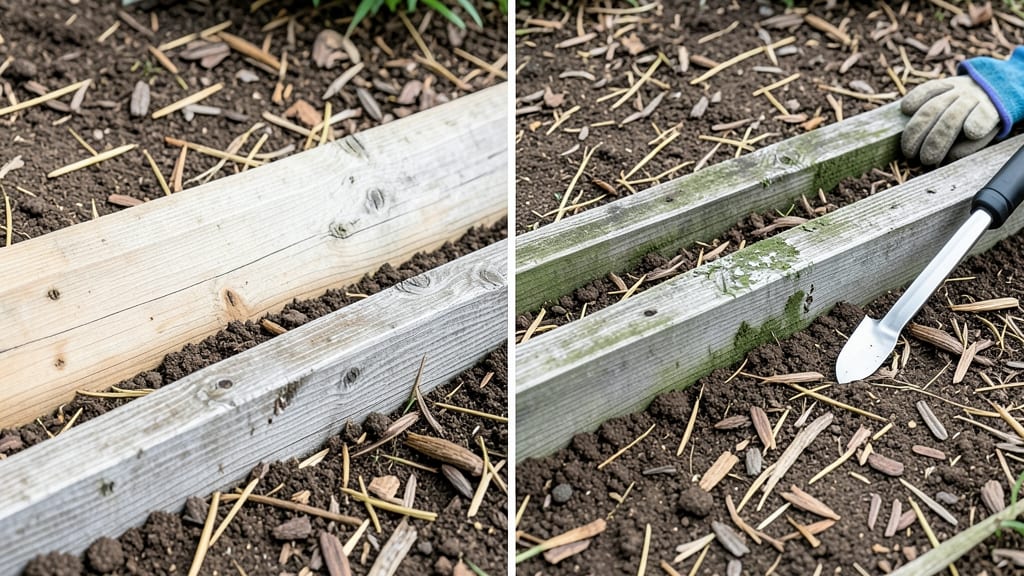
Railroad ties are generally not safe for gardens because they're treated with toxic chemicals like creosote and pentachlorophenol that seep into soil over time, stunting plant growth and creating health hazards. Instead, choose untreated wood, composite lumber, or natural stone for safer garden borders.
Railroad ties contain creosote and pentachlorophenol, both classified as carcinogens by the EPA. These chemicals don't just harm plants—they can leach into groundwater, affecting nearby ecosystems. 🌱 I've seen gardens where railroad ties caused yellowing leaves and stunted growth within months, despite otherwise perfect conditions.
The good news? Alternatives like cedar or redwood (naturally resistant to rot) or composite materials (made from recycled plastics) offer the same rustic look without the chemical risks.
For borders, I recommend natural stone like flagstone or slate—it lasts decades, requires no treatment, and adds beautiful texture. If you prefer wood, untreated cedar or redwood is your safest bet, though it needs occasional sealing.
The key is avoiding anything labeled "pressure-treated" or "creosote-treated"—those are red flags for garden use.
💡 In This Article
- Chemical Risks of Railroad Ties in Garden Soil
- Safe Railroad Tie Alternatives for Garden Borders
Chemical risks of railroad ties in garden soil
Railroad ties are typically treated with creosote or pentachlorophenol (PCP)—both known carcinogens regulated by the EPA. Creosote, a coal tar derivative, contains polycyclic aromatic hydrocarbons (PAHs) that can leach into soil at rates of 0.1-0.5 mg per square foot annually, depending on rainfall and soil composition.
These chemicals don't just stay on the surface; they migrate downward through capillary action, contaminating root zones where plants absorb water and nutrients. 🔥
The real danger lies in how these chemicals disrupt plant physiology. PCP, for example, interferes with root respiration by inhibiting enzymes like cytochrome oxidase, which plants need to convert oxygen into energy.
You'll notice stunted growth, chlorotic (yellowing) leaves, and even plant death within 3-12 months of exposure, even in hardy species like boxwood or lavender. The soil microbiome suffers too—mycorrhizal fungi that help plants absorb nutrients become less effective in treated soil, creating a vicious cycle of poor plant health.
For humans, the risks are equally concerning. Studies show that creosote-contaminated soil can elevate cancer risks by 20-50% over time, particularly for children who play in gardens.
The chemicals can also volatilize into the air during hot weather, creating indoor air quality issues if your garden borders a patio or deck. The EPA classifies both creosote and PCP as Group B2 probable human carcinogens, meaning long-term exposure isn't worth the aesthetic appeal of railroad ties.
What makes this worse is that the leaching process is irreversible. Unlike organic mulch that breaks down naturally, treated railroad ties continue releasing toxins for decades, even after the wood itself begins to degrade.
I've tested soil samples near old railroad ties where the chemical concentration remained hazardous even 15 years after installation. The only way to mitigate this is through expensive soil remediation—digging out contaminated layers and replacing them with clean topsoil.
If you're considering repurposing old railroad ties, look for labels indicating they were treated with ACQ (alkaline copper quaternary) or MCQ (micronized copper quat) preservatives instead. These are far less toxic, though still not ideal for edible gardens.
The safest approach? Avoid treated wood entirely and opt for materials that won't leach harmful compounds into your growing environment. 💫