
Fertilization
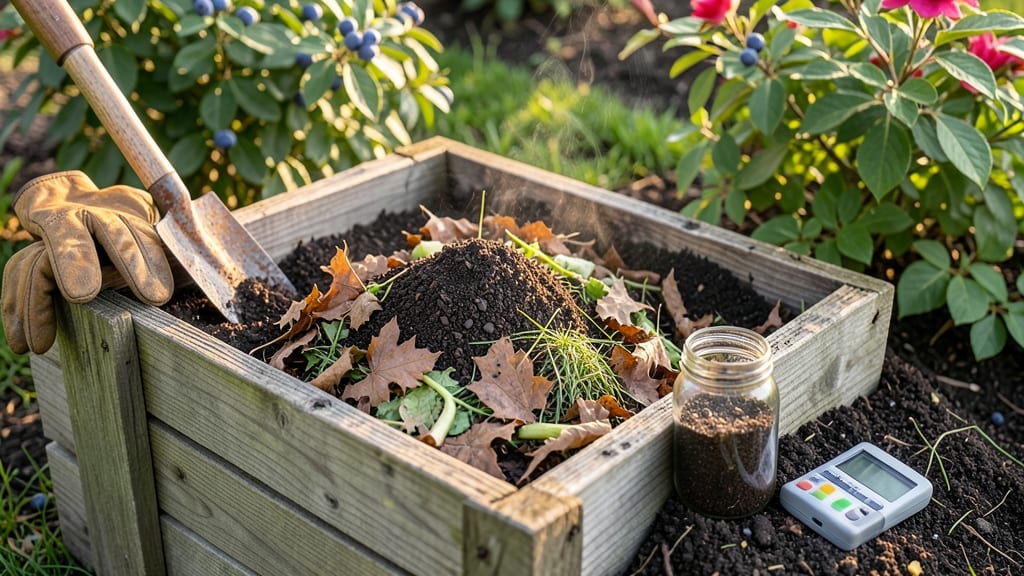
Yes, you can put coffee grounds in your garden—they provide nitrogen-rich organic matter, enhance moisture retention, and naturally repel pests. However, use them carefully to prevent soil acidification or mold growth, and always compost them first for optimal results.
Coffee grounds act as a natural soil booster because they contain about 2% nitrogen by weight, which feeds beneficial microbes and encourages healthy plant growth. 🌱 The grounds also help retain moisture in sandy soils while improving drainage in clay-heavy areas.
I’ve found they work especially well for acid-loving plants like blueberries and azaleas, though they’re safe for most garden beds when used in moderation.
For best results, mix grounds into compost piles or spread them lightly (about 1/4 inch thick) around plants rather than piling them directly on soil.
This prevents mold buildup and ensures even distribution of nutrients. Always rinse used grounds thoroughly if they contain oils or sweeteners, as these can harm plants.
💡 In This Article
- How Coffee Grounds Boost Garden Soil Health
- Best Ways to Use Coffee Grounds in Your Garden
How coffee grounds boost garden soil health
Coffee grounds are a powerhouse of organic matter because they contain about 2% nitrogen by dry weight, along with smaller amounts of phosphorus and potassium. When they break down, this nitrogen becomes available to soil microbes, which then convert it into forms plants can absorb.
The process releases amino acids and other organic compounds that stimulate microbial activity—think of it as a buffet for beneficial bacteria and fungi that help decompose organic material and cycle nutrients. This microbial boost is why coffee grounds often improve soil structure and fertility faster than many commercial fertilizers.
The magic happens at the microscopic level: coffee grounds have a coarse, granular texture that improves soil aeration when mixed in, while their ability to hold water (about 3-4 times their weight in moisture) makes them excellent for sandy soils that drain too quickly.
In clay-heavy soils, they create tiny air pockets that prevent compaction. What's fascinating is how this compares to other amendments—while compost adds broader nutrients over time, coffee grounds provide a quick nitrogen kick similar to fresh manure but without the strong odor or risk of burning plants.
However, the pH effect is where things get nuanced. Fresh coffee grounds have a pH of around 6.2-6.8, which is slightly acidic, but they don't drastically lower soil pH unless used excessively.
For acid-loving plants like blueberries (pH 4.5-5.5) or rhododendrons, they're a godsend—they help maintain that ideal acidic environment. But for vegetables like tomatoes or peppers that prefer neutral soil (pH 6.0-7.0), you'd need to balance them with lime or wood ash to prevent acidification over time.
One often-overlooked benefit is their pest-repelling properties. The caffeine in coffee grounds acts as a natural deterrent for slugs, snails, and even some insects like ants, creating a protective barrier around plants.
Studies show that a 1/4-inch layer of grounds around vegetable beds can reduce slug damage by up to 70%—though it won't work against everything, it's a chemical-free way to boost your garden's defenses.
The aroma also masks smells that might attract pests, making your garden less appealing to unwanted visitors.
What most gardeners don't realize is how temperature affects decomposition. In cooler climates, coffee grounds break down more slowly, so they're best mixed into compost piles where heat speeds up microbial activity. In warmer regions, they decompose quickly—sometimes within 4-6 weeks—so they need to be replenished more often.
This is why composting them first is often recommended: it lets the nitrogen stabilize and reduces the risk of mold or fungal growth that can occur when fresh grounds sit directly on soil.
The key takeaway is that coffee grounds are a versatile soil amendment, but their effectiveness depends on how you use them.
Think of them as a specialized tool rather than a one-size-fits-all solution—they excel at certain tasks (like feeding acid-loving plants or repelling pests) but need to be balanced with other materials for optimal results. 🌿