
Plants
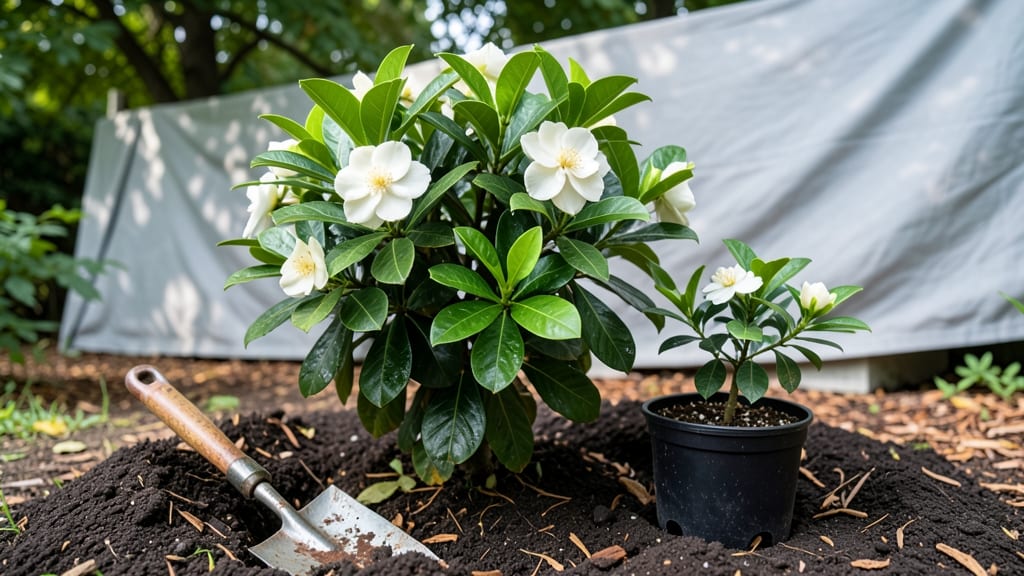
You can plant gardenias outside successfully in USDA Zones 7-11, where they flourish outdoors year-round with proper care. In colder regions, they require container growing or seasonal winter protection to survive.
Gardenias thrive outdoors where frost never occurs, making them perfect for warm climates like Florida, Southern California, or coastal regions. 🌿 The key to success lies in mimicking their native tropical environment—partial shade and well-draining soil prevent root rot while maintaining that signature fragrance.
In marginal zones, container gardening gives you flexibility to move plants indoors during cold snaps, though even this requires careful monitoring of temperature fluctuations.
What many gardeners overlook is how microclimates can extend gardenia's range. A sheltered spot near a south-facing wall might protect plants in Zone 6 during brief cold spells, while mulching helps insulate roots. The trade-off?
Gardenias in containers need more frequent watering and fertilizer adjustments to compensate for their limited root space. For best results, pair outdoor planting with regular pruning to encourage bushier growth and prevent leggy stems.
💡 In This Article
- USDA Zones for Outdoor Gardenia Growth
- Year-Round Outdoor Gardenia Care Essentials
USDA zones for outdoor gardenia growth
Gardenias are tropical shrubs that naturally thrive in USDA Zones 7-11, where winter temperatures rarely dip below 20°F. These zones represent the frost-free climates where gardenias can grow outdoors year-round without protection.
The plant's delicate leaves and stems are particularly vulnerable to temperatures below 32°F, which is why gardeners in Zones 7-8 must take extra precautions during cold snaps.
In Zone 7, gardenias can survive brief dips to 0°F only if they're established plants with deep root systems and proper winter mulching.
The key factor determining outdoor success is your local frost risk. Gardenias can tolerate light frosts (28-32°F) for short periods, but prolonged exposure to 25°F or below will cause irreversible damage to the foliage and flowering buds.
This is why gardeners in Zone 7 often plant gardenias near south-facing walls or in protected microclimates where cold air settles less. Coastal areas within these zones benefit from the moderating effect of ocean breezes, which can raise nighttime temperatures by 5-10°F compared to inland locations.
For gardeners in Zones 6 and below, container growing becomes essential. The portability of pots allows you to move plants indoors before the first frost, typically when nighttime temperatures consistently drop below 50°F.
However, even container-grown gardenias need special care—their root systems are more susceptible to drying out, and they require 20-30% more frequent watering than in-ground plants. The trade-off is that container plants often bloom more prolifically because their roots are confined, which can stimulate flowering as a survival mechanism.
What most people don't realize is how soil temperature affects gardenia survival. These plants prefer soil that stays above 60°F year-round. In colder zones, even well-mulched in-ground plants may struggle because their roots can't maintain optimal temperatures.
This is why gardeners in Zone 6 often use black plastic mulch or heat-absorbing landscape fabric to raise soil temperatures by 5-8°F during spring and fall transitions. The mulch also helps prevent soil temperature fluctuations that can shock the plant's root system.
Consider these key factors when assessing your local climate:
- Last frost date: Gardenias should be planted outdoors only after your area's average last frost date has passed by at least 2-3 weeks
- Winter lows: If your zone experiences 10+ days below 28°F, container growing is your best option
- Day length: Gardenias need 6+ hours of sunlight daily, but afternoon shade is crucial in Zones 9-11 to prevent leaf scorch
- Wind exposure: Coastal areas get wind protection from ocean breezes, while inland gardenias need windbreaks
In marginal zones like Zone 7, the secret to success often lies in planting gardenias near structures that absorb and radiate heat, such as brick walls or dark-colored pavers.
These "heat sinks" can create microclimates that are 5-10°F warmer than the surrounding area, giving your gardenia that extra protection during cold nights. The plant's natural ability to go dormant in cooler weather means it can handle these marginal conditions better than many other tropical species. 🌸