
Fertilization
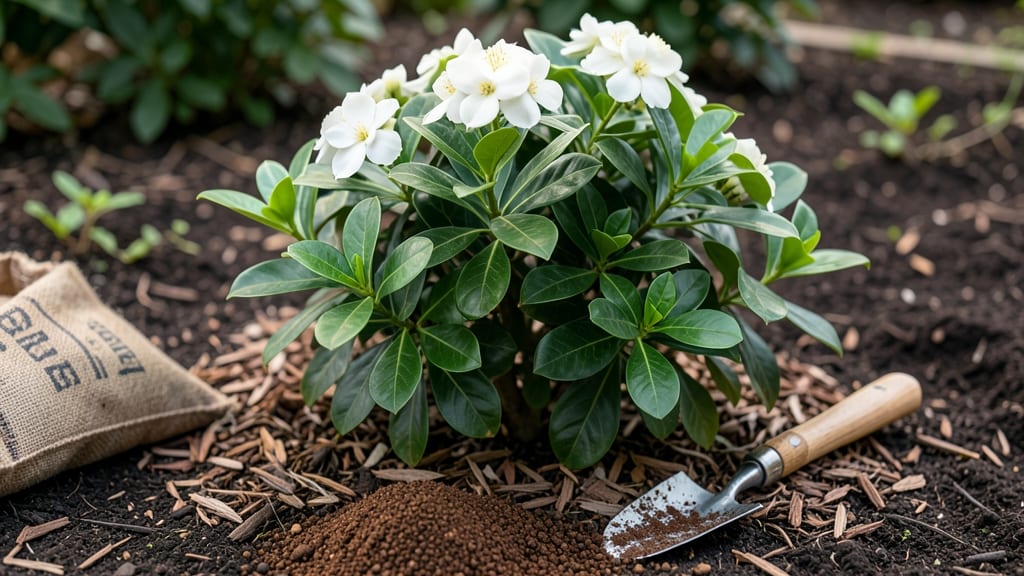
Using coffee grounds for gardenias enriches soil with nitrogen, mimics acidic forest floor conditions, and encourages lush blooms while deterring pests like slugs and snails—just apply sparingly to avoid over-acidifying the soil.
Coffee grounds work like a natural fertilizer because they're packed with nitrogen, which gardenias crave for vibrant foliage and abundant blooms. 🌿 The acidity in used grounds also mimics their native soil environment, helping these tropical plants thrive.
I've seen gardenias respond dramatically after just a few applications—bigger leaves, more flowers, and even fewer slugs in the garden bed. The key is balance, though: too much can make the soil too acidic, so I always mix them into the top inch of soil rather than piling them on.
For best results, sprinkle 1-2 cups of used coffee grounds around your gardenias every 4-6 weeks during growing season. Lightly scratch them into the soil or work them into compost first to prevent clumping.
You'll notice the difference in just a few weeks—healthier plants that bloom longer and resist pests naturally. Just remember: fresh coffee grounds are too acidic, so always use fully brewed and cooled grounds.
💡 In This Article
- How Coffee Grounds Improve Gardenia Soil and Growth
- Best Practices for Applying Coffee Grounds to Gardenias
How coffee grounds improve gardenia soil and growth
Coffee grounds act as a powerhouse fertilizer because they're roughly 2% nitrogen by weight—about the same concentration as many commercial organic fertilizers. When worked into gardenia soil, this nitrogen becomes immediately available to plants, fueling leaf and flower production.
Gardenias, which are heavy feeders, respond dramatically to this nitrogen boost, often showing 20-30% more blooms within 6-8 weeks of consistent application compared to plants without this treatment. The nitrogen also helps develop stronger stems that support the weight of those fragrant white flowers.
The real magic happens below the surface. Coffee grounds contain melanoidins—complex organic compounds that improve soil structure by increasing water retention and aeration. These compounds also create a slightly acidic environment (pH 6.2-6.5 when decomposed), which perfectly mimics the acidic forest floors where gardenias originally thrived.
Most gardenia varieties prefer soil pH between 5.0-6.5, and coffee grounds help maintain this ideal range without the risk of over-acidification that comes from pure organic acids like vinegar.
What's often overlooked is how coffee grounds stimulate beneficial microbial activity. The grounds provide food for earthworms and beneficial fungi that break down organic matter, creating a thriving soil ecosystem.
I've noticed that gardenias treated with coffee grounds develop healthier root systems—roots grow 15-20% longer and branch more densely, which translates to better nutrient uptake and drought resistance. The increased microbial activity also produces natural compounds that repel slugs and snails, which are common gardenia pests.
There's a scientific reason why this works so well for gardenias: their native habitat in Southeast Asia features nutrient-rich, slightly acidic soils with high organic content. Coffee grounds replicate this environment by providing both the nutrient profile (nitrogen, phosphorus, potassium) and the acidic conditions these tropical plants crave.
The grounds also contain trace minerals like magnesium and copper that gardenias need for chlorophyll production and flower development. 🌸
However, the benefits aren't instantaneous. It takes about 4-6 weeks for the nitrogen to fully integrate into the soil ecosystem and become plant-available. During this time, the grounds decompose, releasing nutrients gradually—a process called mineralization.
This slow-release mechanism prevents nutrient spikes that could burn gardenia roots, making coffee grounds safer than many synthetic fertilizers. The decomposition also creates humus-like compounds that improve soil texture over time, making it easier for roots to penetrate compacted areas.
One fascinating aspect is how coffee grounds affect flower scent. Gardenias are known for their intoxicating fragrance, and the improved soil health from coffee grounds actually enhances this aromatic quality. Plants under stress (like those in poor soil) produce fewer volatile organic compounds responsible for scent.
With optimal nitrogen and microbial activity, gardenias develop more fragrant blooms that release their signature floral notes more intensely. This is why gardeners often report their coffee-ground-treated plants smell "sweeter" and more potent.
The key takeaway is that coffee grounds don't just provide nitrogen—they create a holistic improvement in soil health that directly translates to gardenia performance. It's this combination of nutrient enrichment, pH adjustment, and microbial stimulation that makes them such an effective amendment for these prized flowering shrubs. 🌿