
Flowers
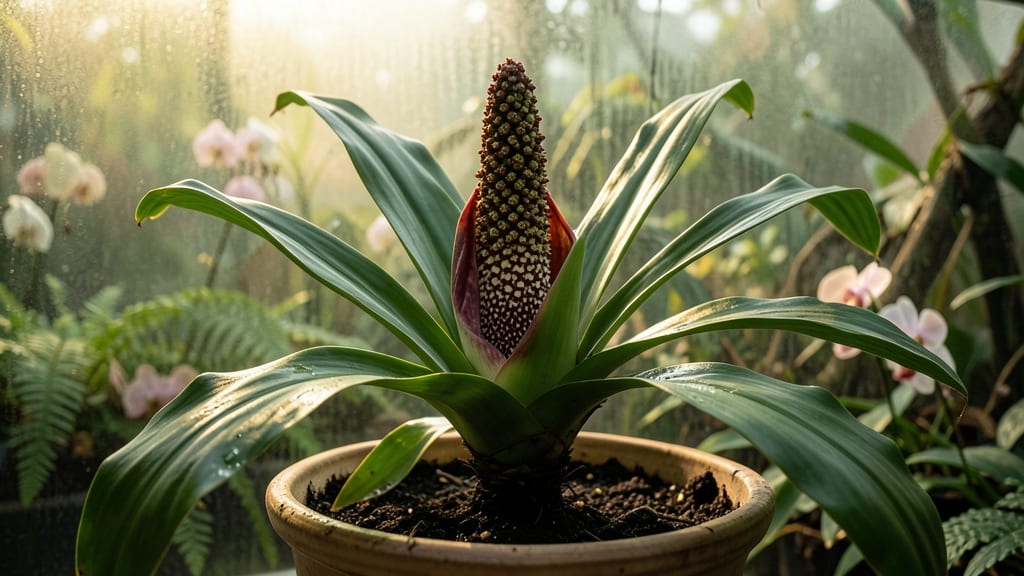
Botanic gardens showcase the corpse flower as a spectacular rarity that blooms just once every 7-10 years, releasing its infamous rotting meat scent to lure carrion flies. This unusual spectacle draws global attention to conservatories hosting the plant.
The corpse flower's infrequent blooming isn't just a quirk—it's tied to its survival strategy. 🌿 These plants spend decades building energy reserves in their massive underground corms, which can weigh over 100 pounds.
When conditions like humidity and temperature align perfectly, they trigger a 24-48 hour bloom cycle that's as short as it is pungent. The scent mimics decaying flesh to attract pollinators, making every bloom a rare biological event worth witnessing.
What makes these displays even more thrilling is their unpredictability. Unlike annual flowers, corpse flowers don't follow seasonal patterns—they bloom when their internal clocks and environmental factors sync up.
This is why botanic gardens dedicate entire conservatories to maintaining optimal conditions, often using sophisticated monitoring systems to track the plant's readiness.
💡 In This Article
- How Corpse Flower Biology Triggers Its Infamous Bloom Cycle
- Where to See Corpse Flowers in Leading Botanic Gardens
How corpse flower biology triggers its infamous bloom cycle
The corpse flower's bloom cycle begins with a hidden battle between energy reserves and environmental triggers. This plant stores nutrients in its massive underground corm—some weighing over 100 pounds—for decades before it has enough energy to bloom.
The key moment arrives when daytime temperatures reach 70-80°F and humidity stays above 80%, mimicking its native Indonesian rainforest conditions. 🌱 These factors signal the plant to produce ethylene gas, a natural plant hormone that acts like a biological switch, initiating flowering.
The ethylene gas works by breaking the plant's dormancy period, which can last 5-10 years between blooms. Once triggered, the flower unfurls in just 24-48 hours, releasing a scent that mimics rotting meat to attract carrion flies.
This scent contains volatile organic compounds like dimethyl disulfide and dimethyl trisulfide—same chemicals found in decaying flesh—which create the infamous odor detectable up to 1 mile away. The bloom's short lifespan (typically 48 hours) ensures pollinators arrive before the flower wilts.
What makes this lifecycle unique is the plant's energy conservation strategy. Unlike annual flowers that bloom yearly, corpse flowers prioritize survival over reproduction.
Their infrequent blooms (every 7-10 years) mean each event must be perfect for pollination success. 🌿 This contrasts with tropical plants like the Rafflesia, which blooms annually but lacks the corpse flower's dramatic scent display.
The corpse flower's approach ensures it only wastes energy when conditions are ideal for pollinator attraction.
Botanic gardens replicate these conditions using climate-controlled conservatories. For example, the New York Botanical Garden maintains 75-85°F temperatures and 90% humidity in their corpse flower exhibit. Sensors track the plant's root respiration rates—a key indicator of bloom readiness—as the corm's metabolic activity increases before flowering.
This scientific approach explains why some gardens can predict blooms within 6-12 months, while others rely on chance observations.
The plant's dramatic appearance—with its 3-foot-tall purple spathe and 5-foot-tall spadix—is equally fascinating. The spathe's color changes from purple to white as it matures, creating a visual cue for pollinators.
Inside, the spadix generates heat (up to 86°F) to enhance scent dispersion, making it one of nature's most sophisticated pollination traps. This combination of visual, olfactory, and thermal signals explains why the corpse flower's bloom is both a botanical marvel and a conservatory sensation.
What most visitors don't realize is that the corpse flower's scent isn't just for show—it's a precise chemical cocktail. The plant produces 100+ volatile compounds, with some mimicking the odors of rotting fish, feces, and even human sweat.
This complexity makes the scent experience uniquely immersive, blending science with sensory drama. 💫 The garden's role becomes crucial here, as they must balance natural conditions with visitor access, often using air filtration systems to manage the odor's intensity.