
Tools
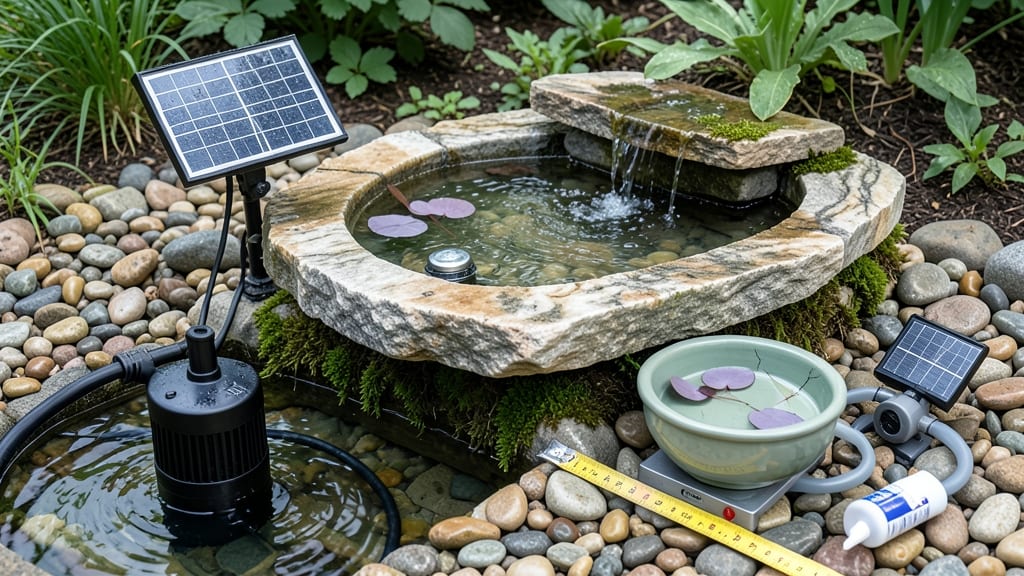
A DIY garden fountain transforms your outdoor space by combining a water basin, pump, tubing, and liner to create soothing water movement. Beginners should start with a simple tiered design to minimize costs while ensuring proper water circulation and electrical safety.
Creating your own garden fountain lets you customize both the look and function while keeping costs low. 💫 The key is balancing water pressure with basin size—too much flow can cause splashing, while too little creates a weak visual effect.
I recommend starting with a 10-20 gallon basin for a beginner-friendly project, as it’s large enough to create noticeable movement without overwhelming your pump. For materials, repurposed containers like food-grade plastic barrels work perfectly when paired with a submersible pump rated for 1,200-1,800 GPH to ensure steady circulation.
Many first-time builders underestimate the importance of proper sealing—using a waterproof liner or silicone sealant prevents leaks that could damage your yard or strain the pump. 🔥 A tiered design not only looks elegant but also helps distribute water evenly, creating a cascading effect that’s both visually appealing and relaxing.
Plus, you can incorporate natural elements like rocks or driftwood to enhance the aesthetic without breaking the bank.
💡 In This Article
- DIY Garden Fountain Design Basics and Water Flow Mechanics
- Budget-Friendly DIY Fountain Materials and Cost-Saving Strategies
DIY garden fountain design basics and water flow mechanics
The heart of any garden fountain is its water flow mechanics, which determine both functionality and visual appeal. Tiered fountains rely on gravity—water cascades from one basin to the next, creating a soothing, multi-level effect. The key is maintaining a consistent water level across tiers, which requires precise pump sizing.
A 1,200 GPH pump works well for a 15-gallon tiered system, while recirculating fountains (where water flows in a loop) need pumps rated for 1,800-2,500 GPH to prevent stagnation. 💫 The flow rate must match your basin's capacity to avoid either weak trickles or overflow.
Material choice directly impacts both durability and aesthetics. Plastic basins (like food-grade barrels) are lightweight, affordable, and easy to customize, but they lack the natural charm of stone. Stone basins (such as slate or granite) add elegance but require waterproof liners to prevent leaks—especially if using porous materials.
The liner must stretch tautly to avoid sagging, which can disrupt water flow and create unsightly ripples. For beginners, I recommend starting with a 20-gallon plastic barrel lined with a 20-mil EPDM rubber liner—it’s budget-friendly and forgiving for first-time builders.
Balancing aesthetics and mechanics means paying attention to tubing placement. The tubing (typically ½-inch PVC or flexible vinyl) should be hidden beneath rocks or decorative elements to maintain a clean look while ensuring smooth water delivery.
A common mistake is using tubing that’s too narrow—this restricts flow and forces the pump to work harder, risking overheating.
For a 10-foot tubing run, opt for ½-inch tubing with a ¾-inch outlet on the pump to maximize flow without clogging. 🔥 Proper tubing also prevents air pockets that can disrupt the water stream.
Pump strain is another critical factor—running a pump at maximum capacity for extended periods can shorten its lifespan. To prevent this, install a float valve in the basin to maintain water levels automatically, reducing the pump’s workload.
For tiered designs, place the pump at the lowest basin to leverage gravity for upward flow. This setup minimizes energy use while creating a natural, cascading effect. Always use a GFCI-protected outlet for electrical safety, as water and electricity are a dangerous combination.
Visual appeal comes down to water movement—too little flow creates a dull trickle, while excessive flow causes messy splashes. Aim for a 2-3 inch per second flow rate at the fountain’s outlet to achieve a steady, elegant stream.
Test your setup by adjusting the pump’s flow control valve until you achieve the desired effect. For added charm, incorporate natural elements like smooth river rocks or driftwood around the basin to soften the fountain’s edges and blend it seamlessly into your garden. 🌟
One advanced consideration is the fountain’s acoustic properties—water flowing over rocks or into basins creates a calming "white noise" effect. To enhance this, use irregularly shaped rocks or multiple small basins to break up the water’s descent, creating a more dynamic sound.
For example, a three-tiered design with varying basin depths will produce a layered, soothing ambiance that’s perfect for relaxation. This detail transforms a functional fountain into a therapeutic garden feature.