
Pests
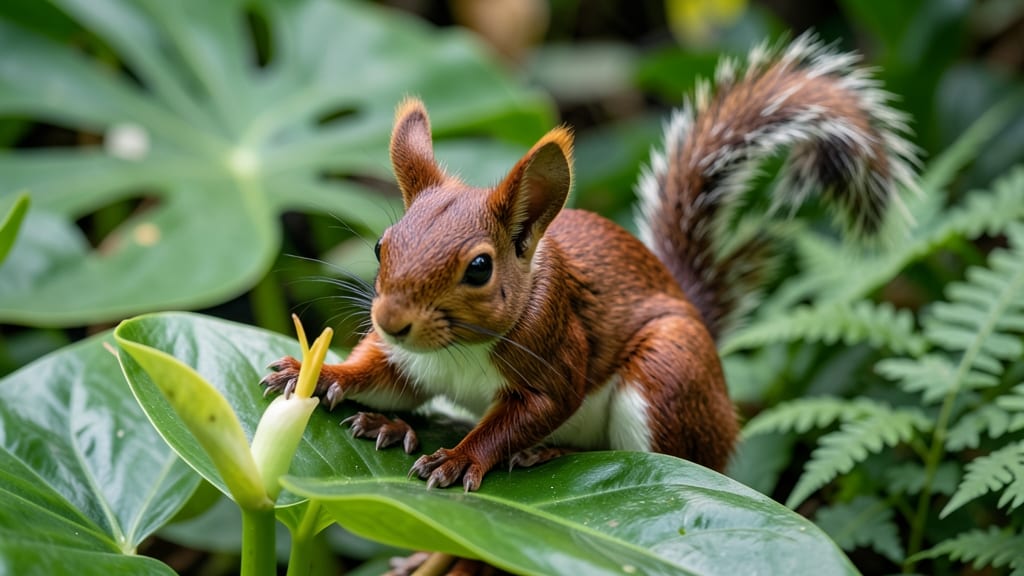
The Squirrel Work on Exotic Plants does not grow a garden—it actively damages or prevents cultivation by digging, chewing roots, and stealing seeds, often leaving gardens barren or destroyed. Exotic plants are especially vulnerable due to their tender growth and unfamiliar scent profiles.
The Squirrel Work on Exotic Plants is more like a garden saboteur than a helper.
These critters don't just nibble—they systematically dismantle your carefully cultivated space by uprooting delicate plants and devouring seeds before they sprout. 🌱 The issue worsens with exotic species, which often lack the tough fibers or bitter compounds that deter squirrels in native gardens.
Their behavior stems from instinctual foraging habits, where anything unfamiliar or soft becomes prime targets.
What makes this particularly frustrating is how quickly they adapt. A single squirrel can turn a thriving exotic garden into a wasteland within weeks, especially if you're growing rare or high-value plants. Their digging disrupts soil structure too, making recovery even harder.
The key to protection lies in understanding their patterns—like their preference for newly planted seeds over established plants—and using targeted deterrents before they strike.
💡 In This Article
- Why Squirrels Target Exotic Plants in Gardens
- Effective Squirrel-Proofing for Exotic Plant Gardens
Why squirrels target exotic plants in gardens
Squirrels target exotic plants primarily because their unfamiliar scent profiles and tender growth trigger innate foraging instincts. Unlike native plants that may have evolved chemical defenses, many exotic species lack bitter compounds or tough fibers that deter squirrels.
Their soft stems and high-energy seeds make them irresistible snacks. 🌿 For example, a squirrel's keen sense of smell can detect the volatile oils in plants like orchids or rare succulents, which often smell foreign and appealing compared to garden staples.
Their behavior is driven by two key factors: novelty and efficiency. Squirrels are hardwired to explore new food sources, especially during spring when they're stockpiling for winter. Exotic plants often provide a "bonus" of being less guarded by predators or humans, making them easier targets.
Studies show that squirrels can remember specific plant locations with remarkable accuracy, returning repeatedly to exploit vulnerable spots. In urban gardens, this becomes especially problematic when exotic species like ferns or tropical flowers are planted in open beds without protection.
Seasonality plays a critical role too. During late summer and early fall, when native food sources dwindle, squirrels become more aggressive in their foraging. Their digging patterns can be particularly destructive—using their powerful claws to uproot entire plants or scatter seeds.
A single squirrel can move 10-15 pounds of soil per day while searching for buried treasure, which completely disrupts soil structure and plant roots. This explains why exotic gardens often show signs of "tunneling" even when no visible damage appears above ground.
Another fascinating aspect is their social learning. Squirrels observe each other's successful foraging spots and quickly adopt these locations. If one squirrel discovers a patch of exotic seeds, its entire family group will exploit it within days.
This collective behavior makes individual deterrents less effective unless applied across the entire garden area. The combination of curiosity, efficiency, and social sharing creates a perfect storm for exotic plant destruction.
Climate also influences their targeting patterns. In warmer regions, squirrels remain active year-round, while in colder climates, they focus their destruction during the 6-8 week window between thawing and first frost.
This seasonal window is when exotic plants are most vulnerable—just as they're establishing roots but before they develop tougher defenses. Understanding these patterns helps gardeners time their protective measures most effectively.