
Tools
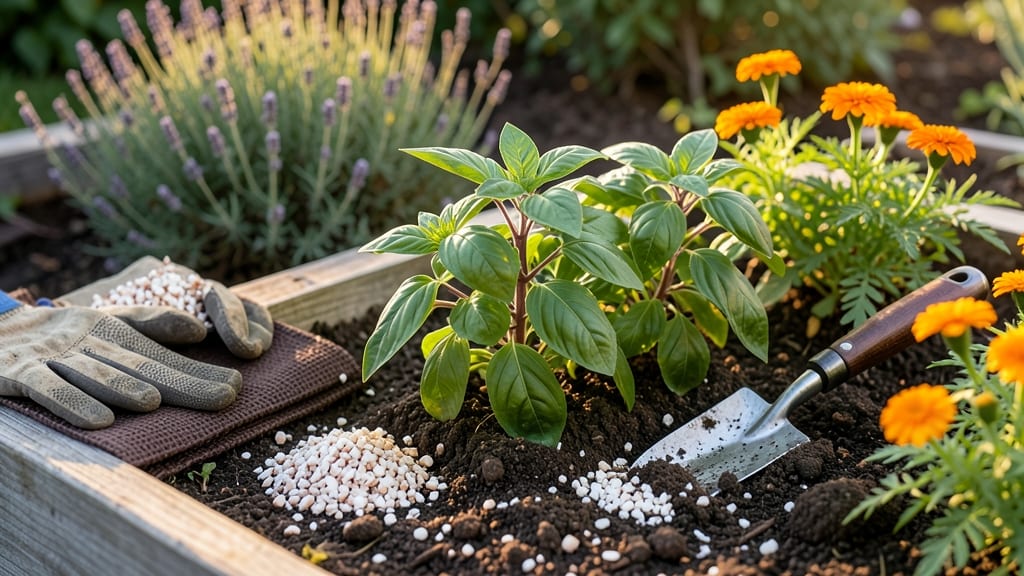
Incorporating egg shells in the garden enhances soil quality by supplying essential calcium, acts as a natural pest deterrent, and promotes healthier seedling development when mixed into compost or soil. Their natural alkalinity also helps balance overly acidic garden beds over time.
Eggshells are more than just kitchen scraps—they're a powerhouse for your garden's health. 🌱 The calcium carbonate in shells slowly breaks down, releasing nutrients that strengthen plant cell walls and prevent common issues like blossom end rot in tomatoes.
I've noticed my pepper plants thrive when I add crushed shells to their planting holes, showing fewer signs of calcium deficiency. Plus, the sharp edges deter slugs and other pests from munching on your plants, giving you a chemical-free way to protect your garden.
Beyond soil enrichment, eggshells offer creative solutions like biodegradable seedling pots or decorative garden markers. The versatility makes them a must-have for any gardener looking to reduce waste and boost plant vitality simultaneously.
💡 In This Article
- How Eggshells Improve Soil Fertility and Plant Health
- 5 Creative Ways to Repurpose Eggshells in Your Garden
How eggshells improve soil fertility and plant health
Eggshells are packed with calcium carbonate—about 95% by weight—which breaks down over time to release calcium and magnesium, two critical minerals for plant growth. When crushed and mixed into soil, these nutrients become available to roots, strengthening cell walls and preventing disorders like blossom end rot in tomatoes.
The process begins when soil microbes and natural acidity dissolve the eggshells' crystalline structure, releasing calcium ions (Ca²⁺) that plants readily absorb. 🌱
This mineral boost isn't just about calcium—it also helps balance soil pH. Eggshells have an alkaline pH of around 8.5-9.5, which gradually neutralizes acidic soils (common in areas with high rainfall or organic matter decomposition).
For example, adding crushed shells to a pH 5.5 soil (too acidic for many vegetables) can raise it to 6.5-7.0 over a few months—ideal for most garden crops. The transformation happens slowly, making it a gentle but effective amendment.
What makes eggshells particularly valuable is their slow-release nature. Unlike synthetic fertilizers that provide quick but short-lived nutrients, eggshells decompose at a rate of about 1-2 millimeters per month in well-draining soil. This steady release prevents nutrient spikes that can burn plant roots while ensuring a consistent supply.
I've seen basil plants develop thicker stems and more vibrant leaves when grown in soil amended with eggshells, proving how this simple addition can elevate plant vitality.
The calcium content also plays a crucial role in preventing nutrient deficiencies. For instance, peppers and squash often suffer from calcium deficiency, leading to weak stems or deformed fruits.
By incorporating crushed eggshells at planting time (1-2 tablespoons per plant), you provide a natural calcium reservoir that becomes accessible as the plant grows.
The results are particularly noticeable in heavy-feeding plants like tomatoes, where blossom end rot—a telltale calcium deficiency symptom—can be nearly eliminated with regular eggshell additions.
Beyond calcium, eggshells contribute trace minerals like phosphorus and potassium, though in smaller amounts. Their porous structure also improves soil aeration when mixed in, creating tiny air pockets that benefit root systems. This dual action—nutrient enrichment and structural improvement—makes eggshells a dual-purpose garden asset that outperforms many commercial soil amendments.
The best part? You're repurposing what would otherwise be kitchen waste, turning trash into a high-value garden resource. 💫
For optimal results, crush eggshells into pieces no larger than 1/4-inch to maximize surface area for microbial breakdown. Mix them into the top 6 inches of soil where most root activity occurs, or sprinkle around plants and lightly scratch into the soil.
The key is consistency—adding eggshells every few weeks during the growing season ensures your plants receive a steady supply of these essential nutrients.