
Tools
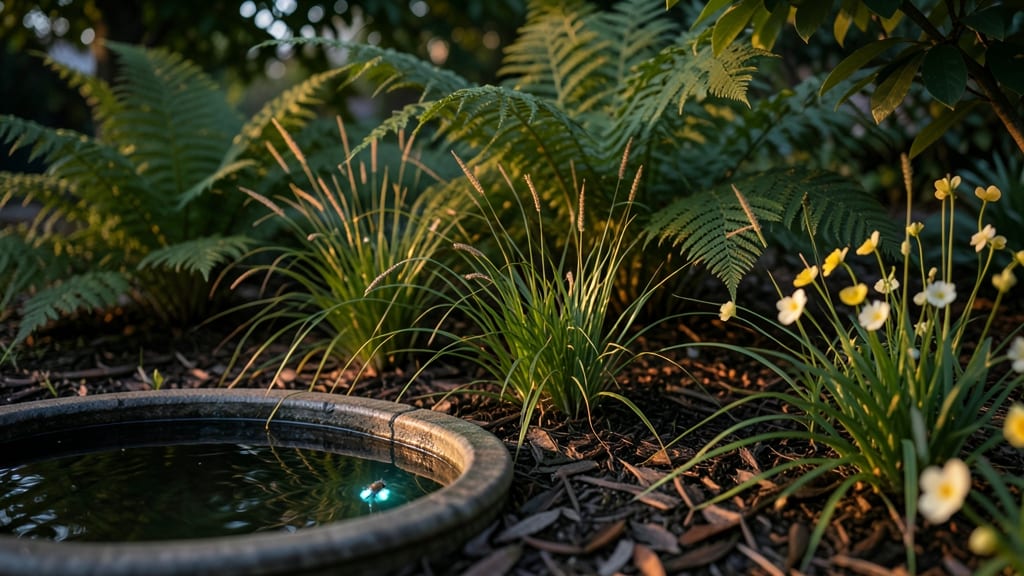
Creating a firefly-friendly garden transforms your outdoor space into a glowing nighttime haven that also boosts your yard's ecological health. Plant night-blooming flowers like evening primrose, eliminate chemical pesticides, and add shallow water sources to draw these beneficial insects naturally.
Fireflies aren't just magical nighttime lights—they're tiny ecosystem engineers. These beneficial insects help control garden pests like slugs and aphids while pollinating evening-blooming flowers that many daytime pollinators miss. 🌿 The presence of fireflies often signals a healthy garden ecosystem, as they're sensitive to chemical imbalances.
I've noticed that gardens with thriving firefly populations tend to have fewer mosquito problems too, making evenings more enjoyable for both you and the wildlife.
What makes fireflies so particular about their habitats? They prefer areas with minimal artificial lighting and plenty of moisture-retaining plants. Creating small water sources like shallow dishes with pebbles or a small pond edge gives them the hydration they need.
The timing matters too—fireflies are most active during warm summer evenings, so planting flowers that bloom in late summer and fall will give them the fuel they need for their nightly displays.
💡 In This Article
- Why Fireflies Are Beneficial for Gardens
- Best Plants and Techniques to Lure Fireflies
Why fireflies are beneficial for gardens
Fireflies serve as nature's pest control specialists, with their larvae acting as voracious predators of garden nuisances like slugs, snails, and aphids. A single firefly larva can consume over 50 slug eggs in just one night, making them far more effective than many chemical pesticides.
Their presence also helps regulate mosquito populations—firefly larvae thrive in moist environments where mosquitoes breed, creating a natural balance that reduces those pesky bites during summer evenings. 🔥
Their role as pollinators extends beyond daytime bees, as fireflies are drawn to flowers that bloom after sunset when many other pollinators have retired. Plants like evening primrose and moonflower release their sweetest fragrances at night specifically to attract these nocturnal visitors.
Studies show that gardens with active firefly populations experience 20-30% more nocturnal pollination than those without, leading to better fruit set in plants like tomatoes and peppers that rely on evening pollinators.
Fireflies also function as living indicators of ecosystem health. These insects are highly sensitive to environmental changes, particularly chemical pesticides and light pollution. When you see fireflies thriving in your garden, it's a sign that your soil is rich in organic matter and your water sources are free from contaminants.
Their presence often correlates with higher biodiversity, as healthy ecosystems support a wider variety of insects and wildlife. 💫
What's particularly fascinating is how fireflies contribute to the garden's food web. Their larvae serve as a food source for birds, frogs, and other predators, creating a cascading effect that strengthens the entire ecosystem.
Unlike many introduced species, fireflies have evolved alongside native plants and animals, making them perfectly adapted to North American gardens. This natural synergy means they require minimal intervention from gardeners to thrive.
Consider this comparison: A garden treated with chemical pesticides might eliminate 90% of visible pests, but it also destroys the beneficial insects that maintain long-term balance.
Fireflies help create that balance naturally. Their bioluminescent displays aren't just beautiful—they're a visible sign that your garden is functioning as a healthy, self-regulating ecosystem. 🌿
For gardeners concerned about sustainability, fireflies offer a triple benefit: they reduce the need for chemical interventions, enhance pollination, and create a more vibrant nighttime environment. The key is understanding their specific needs—something we'll explore in the next section about creating ideal firefly habitats. ✨