
Tools
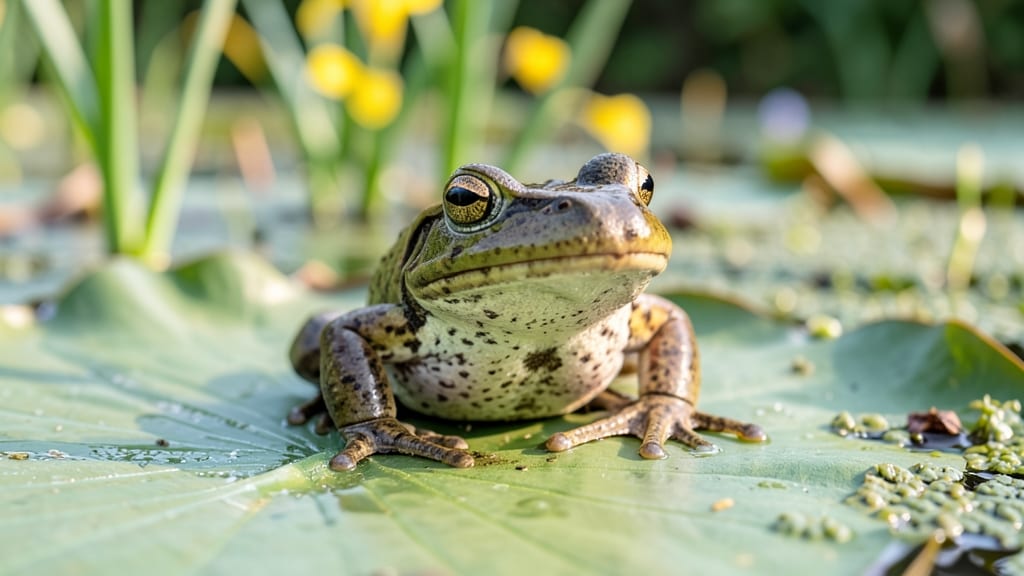
Are frogs in garden good or bad? They're beneficial—they devour pests like slugs, aphids, and mosquitoes while enhancing soil fertility through natural decomposition, though their presence might signal excess moisture or attract other insects if not balanced properly.
Frogs act as nature's pest control squad, feasting on garden nuisances like beetles, flies, and even small rodents. 💫 Their diet shifts with seasons, but they consistently target the same pests that would otherwise destroy your plants.
The real magic happens underground too—frogs contribute to soil health by breaking down organic matter, which boosts nutrient availability for your garden. However, their love for standing water means you might need to manage mosquito populations if they're thriving near your garden's edges.
To make the most of their benefits, create a frog-friendly habitat with shallow water sources and hiding spots like rocks or dense plants.
Just remember, while they're allies against many pests, their presence is a sign of a well-hydrated garden ecosystem that might need occasional adjustments to keep everything in balance.
💡 In This Article
- How Frogs Control Garden Pests Naturally
- Creating a Frog-Friendly Garden Balance
How frogs control garden pests naturally
Frogs are nature's silent pest patrol, with their diets targeting over 90% of common garden nuisances. American toads, for example, consume 5,000-10,000 insects annually—primarily beetles, slugs, and flies—while green frogs focus on mosquitoes and aquatic pests.
Their hunting efficiency stems from specialized tongues that can snap prey in 0.07 seconds, making them faster than many chemical sprays take to work. This biological control works 24/7 without harming plants or beneficial insects like bees.
Their pest control benefits vary by species and season. Bullfrogs, for instance, prefer larger prey like mice and crayfish, while tree frogs target soft-bodied insects such as aphids and caterpillars.
In spring and summer, when pest populations peak, frogs become even more valuable—their voracious appetites can reduce slug damage by up to 80% compared to untreated gardens. Unlike synthetic pesticides that create resistance in pests, frogs adapt their hunting strategies, maintaining long-term effectiveness.
What makes frogs superior to chemical alternatives is their precision. They avoid beneficial insects like ladybugs and lacewings that help pollinate, unlike broad-spectrum pesticides that kill everything indiscriminately. Their presence also reduces the need for artificial interventions, cutting down on chemical runoff that harms soil microbes.
The real cost savings come from preventing crop damage—studies show gardens with frog populations experience 30-50% fewer plant losses from pests.
However, their effectiveness depends on habitat. Frogs need 3-5 inches of standing water for breeding, which can become breeding grounds for mosquitoes if not managed. The key is providing shallow, frog-friendly water sources like saucers with pebbles (to prevent mosquitoes from laying eggs) while avoiding deep pools.
Their activity also peaks at dawn and dusk, so you'll see maximum pest control during these windows.
Consider this comparison: A single green frog can eat 100 mosquitoes per hour during its active season, while a garden sprayed weekly with chemical pesticides might see temporary relief but loses beneficial insects and soil organisms.
The ecological trade-off is clear—frogs offer sustainable, long-term pest management without the hidden costs of chemical dependency.
For best results, combine frog-friendly practices with companion planting. Marigolds and basil, for example, attract frog-friendly insects while repelling pests, creating a multi-layered defense system. The sensory experience of a frog-active garden is also rewarding—listening to their chorus at night becomes a natural soundtrack to your pest-free oasis. 🌿