
Planting
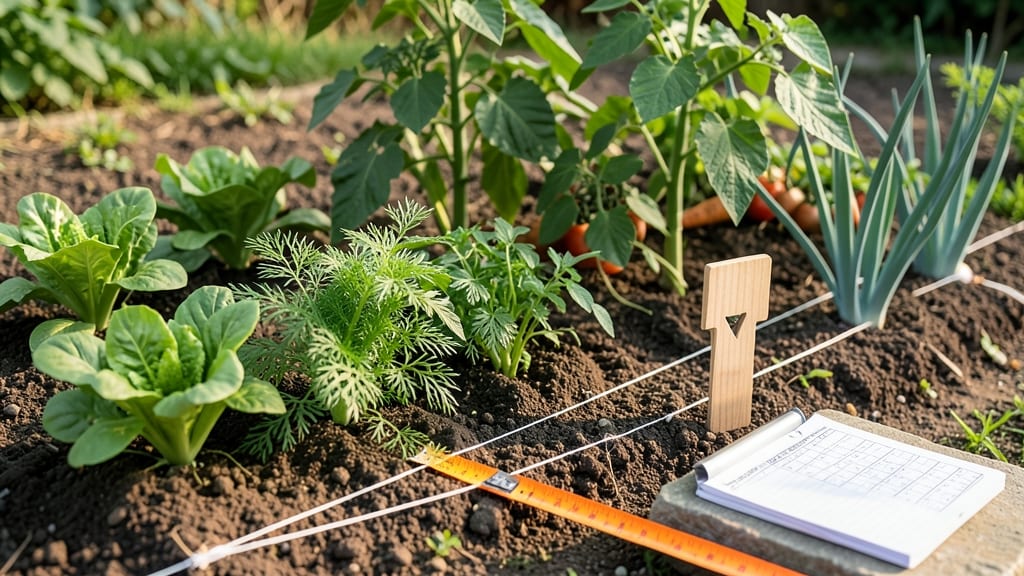
Determining proper garden row spacing—typically between 12 to 36 inches—creates the perfect balance of airflow, sunlight penetration, and root growth, which directly boosts plant vigor and harvest size. The right spacing varies by plant type, growth stage, and your garden's layout.
Getting row spacing right isn't just about fitting more plants—it's about giving them room to thrive. 🌱 Too little space leads to crowded roots competing for nutrients, while too much wastes precious garden real estate.
I've found that leafy greens like lettuce and spinach often do well with closer spacing (12-18 inches), while larger plants like tomatoes or corn need 24-36 inches to prevent disease and maximize sunlight exposure. The key is matching your spacing to each plant's mature size and growth habit.
For example, carrots and radishes can handle tight rows (6-12 inches) because they grow vertically, while sprawling plants like zucchini or pumpkins need generous spacing (3-4 feet) to prevent mildew and ensure proper fruit development.
Even in small spaces, strategic spacing can dramatically improve your harvest—just look at how vertical gardening techniques use narrow rows to maximize vertical growth instead.
💡 In This Article
- How Plant Type Determines Ideal Row Spacing
- Practical Row Spacing Guide for Common Garden Plants
How plant type determines ideal row spacing
Plant spacing isn't arbitrary—it's rooted in how each species grows. Leafy greens like lettuce or spinach thrive with tight rows (12-18 inches) because their shallow root systems don't compete aggressively for nutrients.
Their broad leaves also create natural shade that suppresses weeds.
Meanwhile, plants like tomatoes or corn need 24-36 inches between rows because their deep taproots and sprawling canopies require space to access sunlight and nutrients without smothering each other. 🌿 The science shows that crowded roots increase competition for water and nutrients, which triggers stress responses that weaken plants and make them more susceptible to pests and diseases.
Root spread is the first factor to consider. Plants like carrots or beets develop long, narrow roots that need 6-12 inches between rows to prevent forking or stunted growth.
In contrast, plants with fibrous root systems (like onions or garlic) can tolerate closer spacing (8-12 inches) because their roots spread horizontally rather than vertically.
The canopy growth habit also dictates spacing—tall plants like sunflowers or corn need wide rows (24-36 inches) to prevent shading smaller plants below, while bush varieties like peppers or eggplants can handle tighter rows (18-24 inches) because they stay compact.
The goal is to create a balanced ecosystem where each plant gets its fair share of sunlight, water, and nutrients.
Disease prevention is another critical reason why spacing matters. Poor airflow between crowded plants creates the perfect humid environment for fungal diseases like powdery mildew or blight.
For example, tomatoes are notorious for developing early blight when planted too closely—spreading rows to 24-36 inches improves airflow and reduces moisture on leaves, cutting infection rates by up to 50%. Weed suppression also benefits from proper spacing.
Wider rows (24+ inches) make it easier to cultivate between plants, while tighter rows (12-18 inches) allow leafy greens to shade out weeds naturally.
Even water efficiency improves with strategic spacing—plants with enough room develop stronger root systems that access water deeper in the soil, reducing runoff and evaporation.
Herbs and flowers have unique spacing needs too. Delicate herbs like basil or cilantro prefer 12-18 inches between rows to prevent overcrowding, which can make them bitter or leggy. Meanwhile, sprawling herbs like mint or oregano need 24-36 inches to contain their aggressive growth.
Flowers like marigolds or nasturtiums can handle 12-18 inches because they're often planted as borders or companions, but taller varieties like sunflowers need 18-24 inches to avoid shading smaller plants.
The key is to match the spacing to the plant's mature size and growth habit—whether it's bushy, vine-like, or tall and upright. 🌼
Water efficiency is a often-overlooked benefit of proper spacing. Plants with enough room develop deeper root systems that access moisture from lower soil layers, reducing surface evaporation. For instance, drip irrigation works best when rows are spaced 18-24 inches apart—this allows water to penetrate deeply without pooling between plants.
In contrast, tightly packed rows (12 inches) can lead to waterlogging, especially in clay soils, which stunts root growth and encourages rot. The right spacing also makes it easier to mulch effectively, conserving moisture and suppressing weeds while keeping roots cool.
For small-space gardens, vertical growth is your best friend. Trellising plants like cucumbers or beans can reduce row spacing needs by 30-50% because they grow upward instead of outward. Even in tight rows (12-18 inches), vertical support gives them the room they need to thrive.
The same principle applies to bush varieties—choosing compact cultivars (like 'Bush Early Girl' tomatoes) lets you plant rows 18-24 inches apart instead of 36 inches. The trade-off? You might sacrifice slightly larger yields, but the space savings make it worth it for urban or container gardens. 🌱